Movable Partition Wall Blog
Explore practical guides about movable partition walls, acoustic operable walls, project planning, installation, finishes, maintenance, cost, and commercial applications.
Browse Movable Partition Topics
Latest Articles
Track zone assumptions are easy to bury in drawings and email threads. This guide shows architects how to log them in a coordination register so overhead routes, stacking positions and support questions stay visible, reviewable and tied to project-specific evidence.
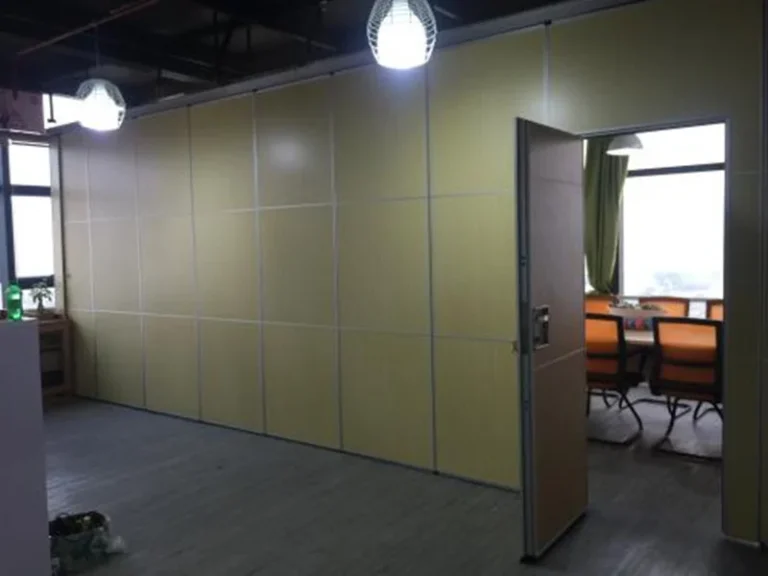
A practical, evidence-bounded framework for sequencing a movable partition retrofit when a single goods lift serves the whole building, covering route review, delivery windows, stacking space and drawing sign-off.
A practical, evidence-bounded review method for comparing an operable wall’s planned stacking bay with ambulant route widths, using layout drawings, circulation overlays and project-specific confirmation.
A practical, evidence-bounded framework for recording track zone observations during facility planning, so movable wall routes, parking and support questions reach the right reviewers before construction.
How contractors can keep a movable partition programme moving when the ceiling is not yet signed off: what to freeze, what to verify and what to leave open until drawings are approved.
A deep recessed ceiling cove complicates the overhead route for movable partitions. This guide sets out who should own the track line, what the drawings must resolve, and which questions need project-specific confirmation before fabrication.
A planning framework for linking track zone cleaning frequency to room turnover, using layout review, observation records and clearly bounded evidence.
A contractor-focused planning framework for coordinating movable partition track fixing with ceiling grid works, covering sequence, support review, route checks and documentation limits.
A practical coordination guide for project teams defining the track zone where a top-hung movable partition meets a metal ceiling tray, with drawing checks, route review and clear evidence boundaries.