
How Architects Should Log Track Zone Assumptions in a Coordination
Quick project answer
Review focus: track zone.
An architect track zone assumption coordination register is a simple but powerful control document: a single place where every assumption about the overhead route, parking position and support condition is written down, owned and dated. Movable wall panels are individually movable, suspended from a top track, and cross the opening without a floor track. That clear-floor principle is easy to state and easy to lose between disciplines. The suitability of each route and parking arrangement depends on the approved layout, circulation, ceiling interfaces and operating sequence. A register keeps them visible and reviewable.
Why Track Zone Assumptions Drift Between Disciplines
Track zone decisions sit at the intersection of architecture, structure, ceiling design and services coordination. Each team holds part of the picture. None of these assumptions is wrong on its own, but unrecorded they become conflicting.
A coordination register does not resolve engineering questions. It exposes them early enough for the right party to answer with project-specific evidence. That distinction matters: the register records what is assumed, who confirmed it, and what still needs review.
What Belongs in the Register
Keep the register narrow enough to maintain. It should cover the route, the parking zone and the evidence trail, not every partition detail.
Route and geometry entries
- Opening location and the intended straight, turning or stacking route.
- Whether the overhead route is continuous and connected across the full movement path.
- Stacking position and the space reserved for parked panels.
- Any pass-door requirement noted for later discussion.
Evidence and ownership entries
- Drawing or document reference supporting each assumption.
- Named owner responsible for confirming or correcting it.
- Date logged and date of latest review.
- Status: assumed, under review, confirmed or superseded.
Finish selections such as laminate, melamine, fabric, leather, glass or other approved surfaces can be logged separately.
A Numbered Process for Logging Assumptions
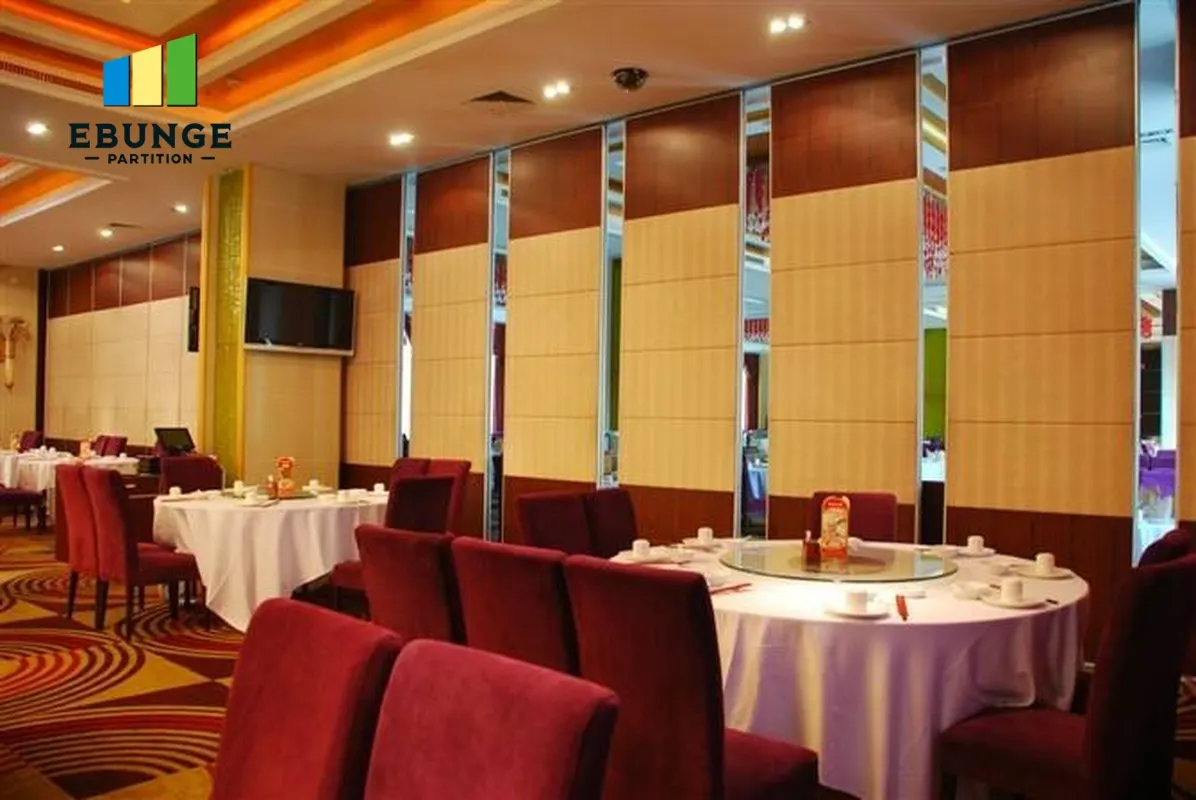
- Extract the route from the layout. Review straight, turning and stacking routes against the current plan rather than an earlier revision.
- Mark the overhead zone. Shade the ceiling band the track will occupy and note where it meets structure or services.
- Write each assumption as a single sentence. One assumption per line prevents compound statements from hiding unresolved items.
- Attach the evidence reference. Link the drawing, revision or meeting note that supports the entry.
- Assign an owner and a review date. Unowned assumptions are the ones that survive longest.
- Re-issue at each design freeze. Compare the register against the latest drawing set and mark superseded entries rather than deleting them.
Separating Confirmed Facts from Project Assumptions
Confirmed facts describe how the system works in general. Project assumptions describe what this building is expected to do, and they need local verification.
| Entry type | Example wording | Evidence needed |
|---|---|---|
| Confirmed product fact | Panels are top-hung and cross the opening without a floor track. | Maintained product documentation |
| Project assumption | Overhead route assumed continuous across the opening and turning zone. | Reviewed layout and support confirmation |
| Open question | Stacking position to be confirmed against final furniture layout. | Owner decision and revised drawing |
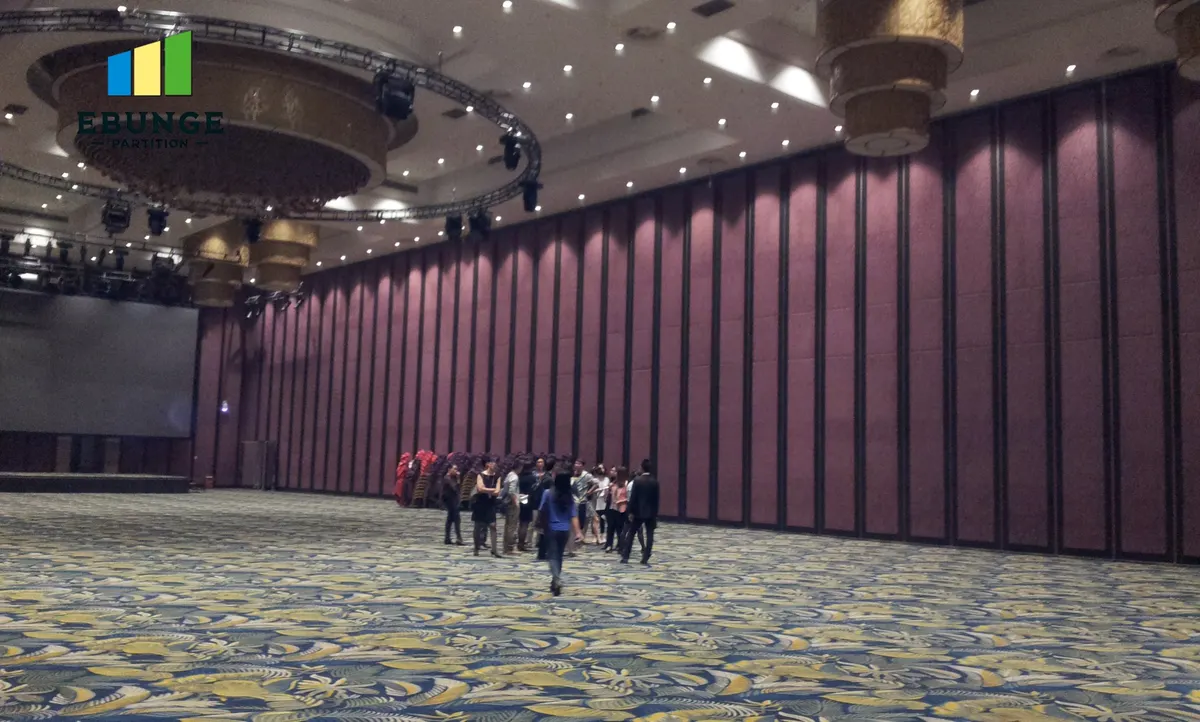
Evidence note: a visible ceiling line or a finish sample is not proof of structural capacity, acoustic performance or a completed installation. Those require separate project-specific confirmation.
Coordinating the Register with Acoustic and Support Reviews
The register should record who is responsible for the acoustic review and which drawing the review is based on, without asserting a result.
Support review follows the same logic. The exact overhead route and support arrangement must be confirmed by the responsible project team from coordinated drawings. Keep these entries factual and dated. If a condition is unresolved, say so plainly rather than filling the gap with an assumption that looks confirmed.
Review Checkpoints and Common Register Failures
Checkpoints worth scheduling
- Concept freeze: route and stacking position logged.
- Coordinated design stage: ceiling zone and services conflicts recorded.
- Pre-tender: open questions assigned and dated.
- Construction issue: superseded assumptions closed out.
Failures to avoid
Three failures recur. First, the register becomes a duplicate drawing set and stops being maintained. Second, assumptions are written without owners. Third, a generic finish or venue example is treated as evidence of performance. Keep entries short, keep owners named, and keep performance claims out unless matching evidence exists.
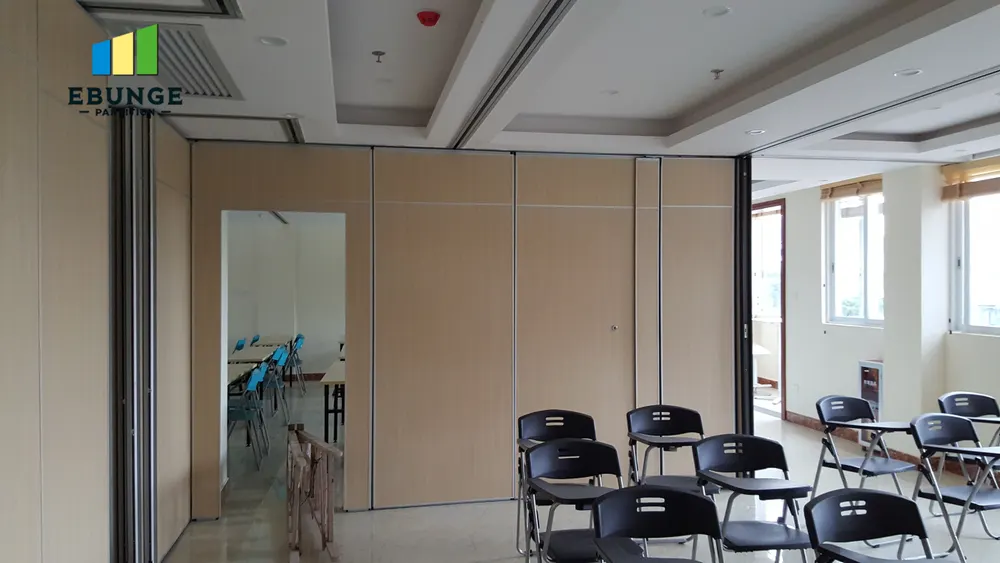
For broader planning context, the EBUNGE resources page supports early-stage review, while the movable walls product page sets out the maintained system description. Neither replaces project-specific drawing review.
Frequently Asked Questions
Who should own the track zone coordination register?
Ownership should be named per line, not per document.
Can the register confirm acoustic performance?
No. It can record acoustic intent, the responsible reviewer and the drawing basis. Actual performance requires project-specific evidence and review.
How detailed should route entries be?
Detailed enough to show the straight, turning and stacking route against the current layout, and to flag any point where continuity or support is unconfirmed.
Should finish selections appear in the register?
They can, as a separate section.
What happens when a drawing revision changes the layout?
Re-issue the register, mark affected entries as superseded and log the new assumption with a fresh evidence reference and review date.
Can pass-door requirements be logged here?
Yes. Note the requirement and route it to the appropriate discussion, since pass-door details need project-specific confirmation.
Conclusion
A maintained register turns scattered track zone assumptions into a reviewable record. Keep it short, date every entry, name an owner and separate confirmed product facts from project assumptions. Confirm support, acoustic and dimensional requirements for each project before relying on any entry.
To discuss pass-door requirements, documentation or layout review for your project, contact the EBUNGE team.