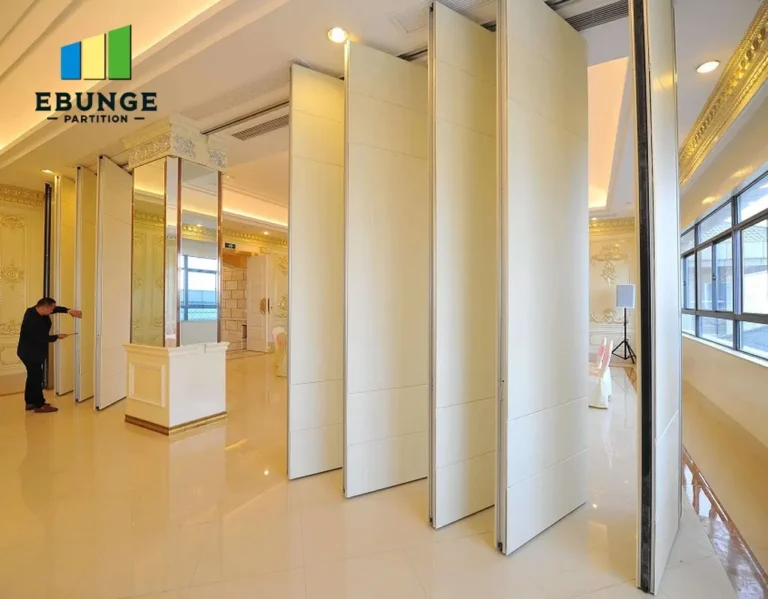
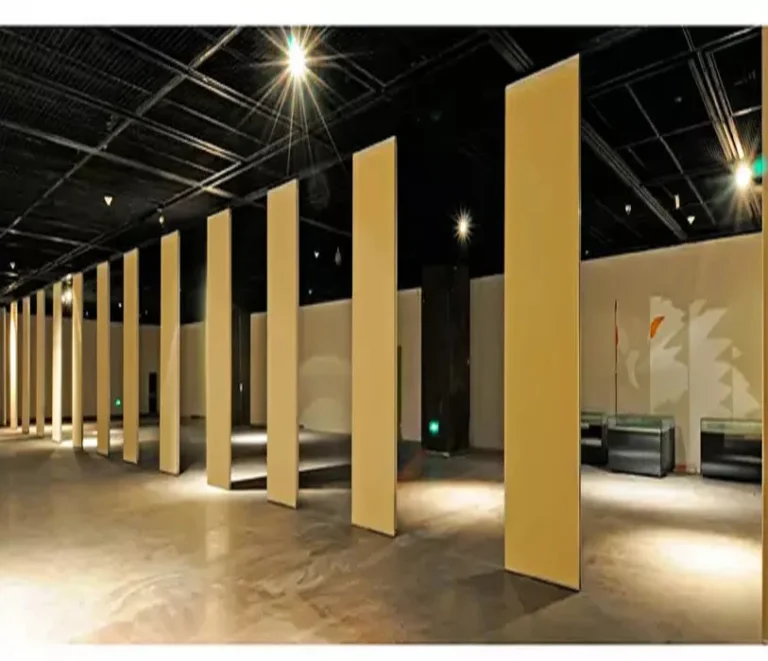
A drawing-led method for reviewing circulation where a movable-wall stacking pocket meets a refuge area, without inferring performance or engineering outcomes.
A practical, evidence-bounded guide for contractors, architects, and facility teams to plan spare storage for movable partition track zones without unsupported performance claims.
Track zone handover pack interface sign-off evidence should prove the overhead route, parking position and finish schedule are coordinated, not imply hidden performance. This guide explains what to record, what to verify and what to leave for project-specific confirmation.
A practical, evidence-bounded guide for contractors and facility teams sequencing movable partition track release across staggered bays during renovation, with drawing checks, route logic and confirmation boundaries.
Perimeter shadow gap track zone ownership is a drawing and responsibility question before it is a construction question. This guide sets out the interface checks, evidence limits and coordination steps project teams can use when a top-hung movable partition meets a ceiling with a perimeter shadow gap.
A practical, evidence-bounded framework for reviewing how top-hung movable partitions park at a stacking pocket without compromising corridor circulation.
A practical, evidence-bounded framework for turning room usage patterns into a partition reconfiguration calendar. For contractors, architects, designers and facility teams planning movable wall operations.
A planning framework for phased track zone release in renovation projects where overhead routes turn and stack in a zigzag sequence. Covers route review, finish coordination, documentation, and evidence boundaries.
Rooflight ceiling interface track line coordination is a drawing-review problem before it is a product problem. This guide shows how project teams can separate visible evidence from assumptions, align the overhead route, and confirm support, acoustic and dimensional requirements before specification.