
When planning an exhibition hall, the choice of sliding partitions can determine how flexible, functional, and profitable your space will be. As a hotel owner, you need a system that adapts to various events, from trade shows to private banquets, without compromising on acoustics or aesthetics. This guide helps you navigate the decision-making process, from understanding technical requirements to preparing for supplier inquiries. We’ll cover key considerations, common pitfalls, and practical steps to ensure you select the right movable partition wall system for your project.
Direct answer: To choose the right sliding partitions for your exhibition hall, define your acoustic performance targets, space dimensions, and operational needs. Then, request detailed quotations from suppliers, verify their technical specifications, and plan for installation and after-sales support.
Sliding Partitions: Understanding Your Exhibition Hall’s Requirements
Before contacting suppliers, you must have a clear picture of your space and how you intend to use it. Consider the following:
- Space dimensions: Measure the opening width, height, and depth. This includes the area where the partition will stack when not in use.
- Acoustic target: Determine the level of sound insulation needed. For an exhibition hall, you may require different ratings for different zones. Common targets range from 35-50 dB, but the exact value depends on your specific use cases.
- Operational frequency: How often will you move the partitions? Daily operation demands a system with smooth, reliable mechanics.
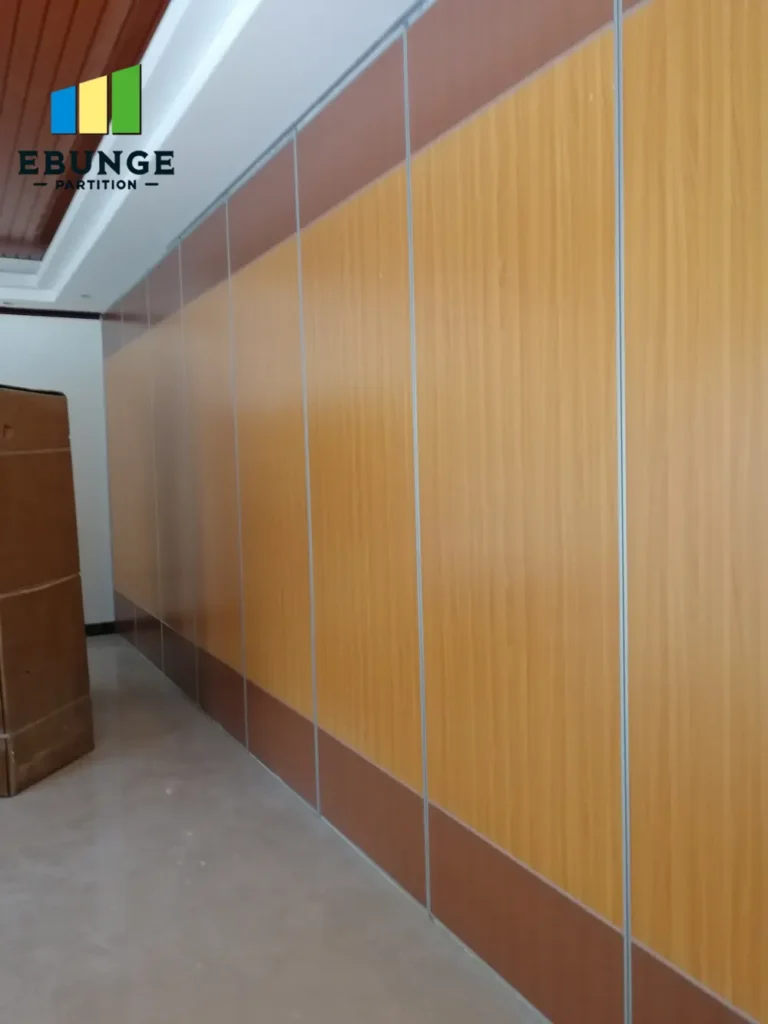
- Design aesthetics: The partition should complement your interior design. Consider finishes, colors, and whether you need a glazed option for natural light.
Documenting these details will help you communicate effectively with suppliers and receive accurate quotations.
Need help turning the sliding partitions requirements into a practical project layout?
Key Technical Specifications to Evaluate
When comparing movable partition wall systems, focus on these technical aspects:
Acoustic Performance
Acoustic insulation is influenced by the partition’s construction, seals, and track system. Look for systems that offer a range of acoustic ratings, and ask for test data from certified laboratories. Remember, the actual performance depends on proper installation and perimeter sealing.
Track and Hardware
Top-hung track systems are popular because they leave the floor clear, which is ideal for exhibition halls. Ensure the track is designed for the weight of your panels and the frequency of use. Consider the quality of trolleys, hangers, and seals – they affect durability and ease of operation.
Panel Construction
Panels typically consist of a metal frame with infill materials like plasterboard or glass. The thickness and materials affect acoustics and weight. For exhibition halls, you might prefer panels that are easy to clean and resistant to impact.
Operation Mechanism
Manual systems are cost-effective, but motorized options offer convenience for large or heavy panels. Evaluate the ease of moving and locking panels, especially if staff will operate them frequently.
Acoustic Considerations for Exhibition Halls
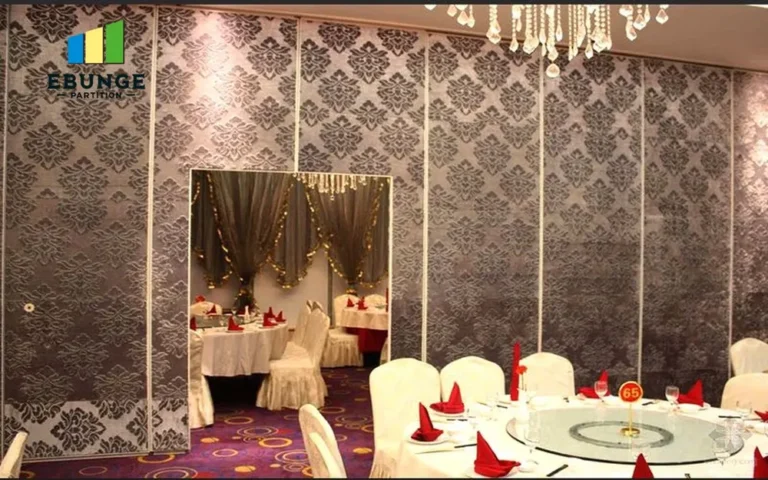
Exhibition halls often host multiple events simultaneously. To prevent sound leakage, you need a partition with adequate acoustic insulation. Key factors include:
- Seals: Perimeter and vertical seals must compress effectively against the floor, ceiling, and walls.
- Panel mass: Heavier panels generally provide better sound insulation.
- Double glazing: If you choose glazed partitions, double glazing improves acoustic performance.
Request acoustic test reports from the supplier and verify they align with your target. Also, consider the impact of HVAC and other penetrations on overall soundproofing.
Installation Time and Process
Installation time affects your project timeline. Ask suppliers about their installation process and estimated duration. Factors that influence installation time include:
- Site readiness: The floor, ceiling, and walls must be prepared and level.
- Number of panels: More panels mean more installation time.
- Complexity: Curved or angled partitions require more time.
Ensure the supplier provides a detailed installation plan and coordinates with your other contractors.
Durability and Maintenance
Exhibition halls are high-traffic areas. Your sliding partitions must withstand frequent use. Look for systems with robust construction and quality hardware. Ask about maintenance requirements: Are there parts that need periodic replacement? How easy is it to clean the panels and tracks?
Some suppliers offer maintenance programs. While we cannot recommend specific ones, it is wise to ask about after-sales support and availability of spare parts.
Design Options and Finishes
The visual appeal of your partitions is crucial for guest experience. Consider:
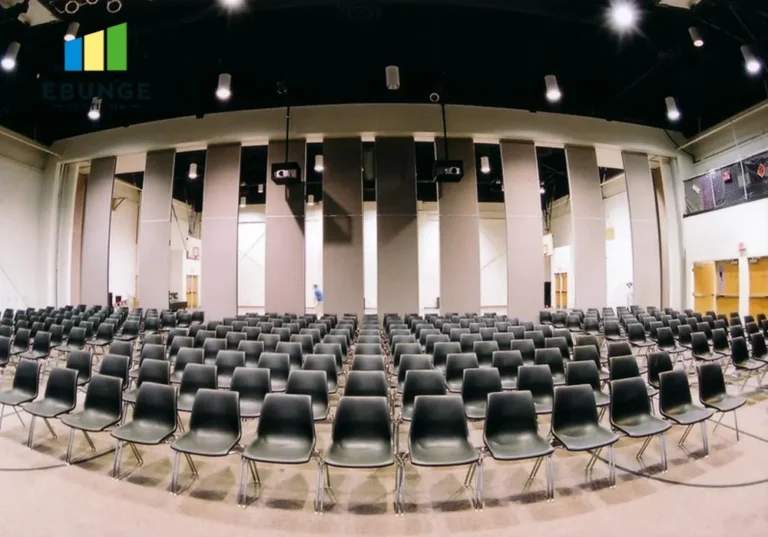
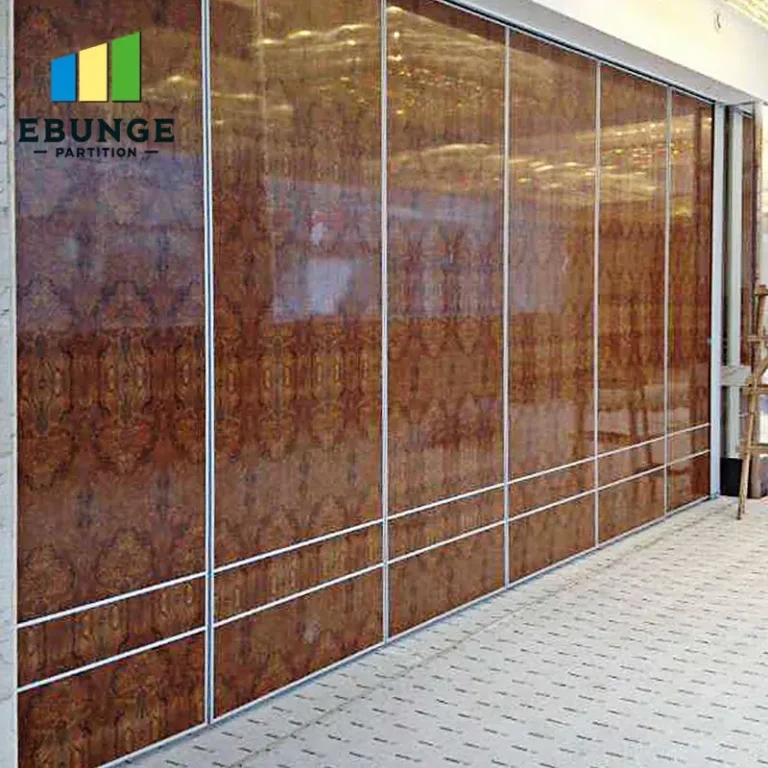
- Finish materials: From fabric to laminate to wood veneer, each has different aesthetic and durability characteristics.
- Color customization: Match your brand or interior palette.
- Glazing: Full or partial glass panels can create an open feel while maintaining flexibility.
Request samples to see and touch the finishes before making a decision.
Share the opening, drawings, finish direction, and privacy target for a project-specific review.
Cost-Effectiveness and Quotation Readiness
To get accurate quotations, you need to provide suppliers with comprehensive information. Prepare a document that includes:
- Exact opening dimensions (width, height, depth) in meters.
- Architectural drawings (CAD files if possible).
- Acoustic performance target (in dB).
- Preferred finish and design style.
- Project location (for logistics and installation planning).
- Expected timeline.
This ensures you receive comparable quotes and reduces the risk of hidden costs. Compare not only the upfront price but also the total cost of ownership, including maintenance and energy efficiency.
Supplier Reliability and After-Sales Support
Choose a supplier with a proven track record in commercial projects. Ask for references and case studies. Inquire about their warranty policy and after-sales service. A reliable supplier will provide clear documentation and be responsive to your queries.
When evaluating suppliers, consider their communication and willingness to provide technical advice. A partner who understands your project goals is invaluable.
Practical Checklist for Buyer Decision
Use this checklist when evaluating sliding partitions for your exhibition hall:
| Item | Considerations |
|---|---|
| Acoustic performance | Request test data; verify dB rating meets your needs. |
| Track system | Top-hung without floor rail; ensure smooth operation. |
| Panel materials | Durable, easy to clean, suitable for high traffic. |
| Installation time | Get a clear timeline and site preparation requirements. |
| Operation ease | Manual vs. motorized; staff training needs. |
| Design flexibility | Finishes, glazing options, custom sizes. |
| Supplier support | Warranty, after-sales service, spare parts availability. |
| Cost | Compare total cost, not just initial quote. |
Streamlining Your Inquiry for Faster Quotes
When you contact suppliers, be specific. Include your opening size, drawings, acoustic target, finish preference, and project location. This not only speeds up the quotation process but also ensures you receive accurate pricing. For example, a supplier can quickly determine if a standard system fits or if custom engineering is required.
Preparing this information also helps you compare apples to apples. You can avoid surprises during installation and operation.
Conclusion
Selecting the right sliding partitions for your exhibition hall involves careful evaluation of technical specs, design, cost, and supplier capabilities. By defining your requirements, asking the right questions, and preparing thoroughly, you can make a confident decision that enhances your venue’s flexibility and guest experience. Remember to always verify claims with documented evidence and choose a partner who supports you beyond the sale.
Frequently Asked Questions
What is the typical acoustic rating for exhibition hall partitions?
Acoustic ratings vary, but for exhibition halls, a range of 35-50 dB is common. The exact rating depends on the events you host. Always request test data from the supplier.
How long does installation take for a movable partition wall?
Installation time depends on the number of panels, site conditions, and complexity. Typically, a simple installation can take a few days, but larger projects may take weeks. Get a timeline from your supplier.
Can I customize the finish of my sliding partitions?
Yes, most suppliers offer a range of finishes, including fabric, laminate, wood veneer, and glass. You can also choose custom colors to match your interior.
What maintenance do sliding partitions require?
Regular maintenance includes checking and cleaning tracks, ensuring seals are intact, and lubricating moving parts. Some systems require more attention than others. Ask your supplier for maintenance guidelines.
How do I get an accurate quotation for my project?
Provide the supplier with detailed information: opening dimensions, drawings, acoustic target, finish preference, and project location. This ensures a precise quote and avoids delays.
Send the opening size and drawings to discuss a differentiated sliding partitions solution.