
When outfitting a training center with flexible spaces, the movable partition cost is a critical factor, but the supplier behind that cost matters even more. A reliable movable partition supplier ensures your investment delivers acoustic performance, durability, and ease of operation—without unexpected project delays. This article helps you navigate supplier selection, ask the right questions, and prepare for an accurate quotation.
Direct Answer: For a training center, the movable partition cost varies significantly based on size, acoustic rating, finish, and customization. A trustworthy supplier will provide a detailed quotation after reviewing your opening sizes, drawings, acoustic targets, and project location. Focus on supplier reliability, customization support, and clear communication to ensure your project’s success.
Why Supplier Reliability Is Your First Priority
In a training center, partitions are used daily. A supplier that disappears after installation leaves you with maintenance issues and no support. Look for a movable partition supplier with a track record of commercial projects, responsive communication, and a clear process for handling custom requirements. Ask for references and check their experience with training facilities or similar educational environments.
Need help turning the movable partition cost requirements into a practical project layout?
Customization Support: Tailoring Partitions to Your Training Center
Training centers often have unique layouts—irregular ceiling heights, existing HVAC ducts, or specific lighting placements. A supplier that offers customization can adapt the partition height, width, and operation to fit your space. Discuss your training room configurations: do you need to divide a large hall into smaller classrooms? Or create a flexible auditorium? Custom movable walls can be designed to match your exact dimensions and finish preferences.
Top-Hung Track Systems: No Floor Rail, More Flexibility
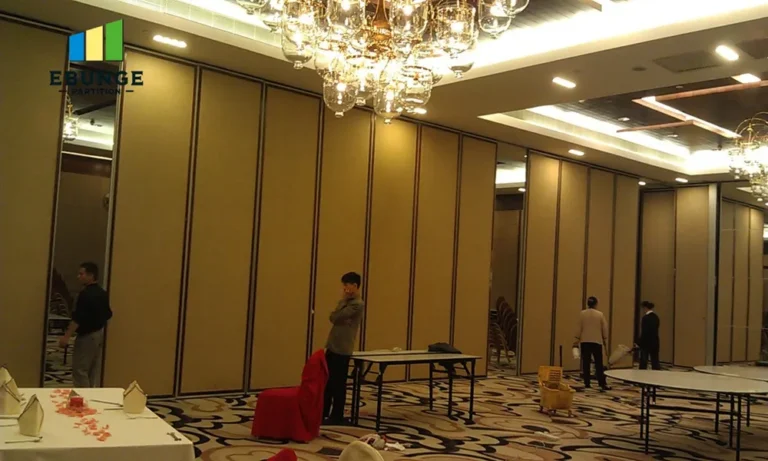
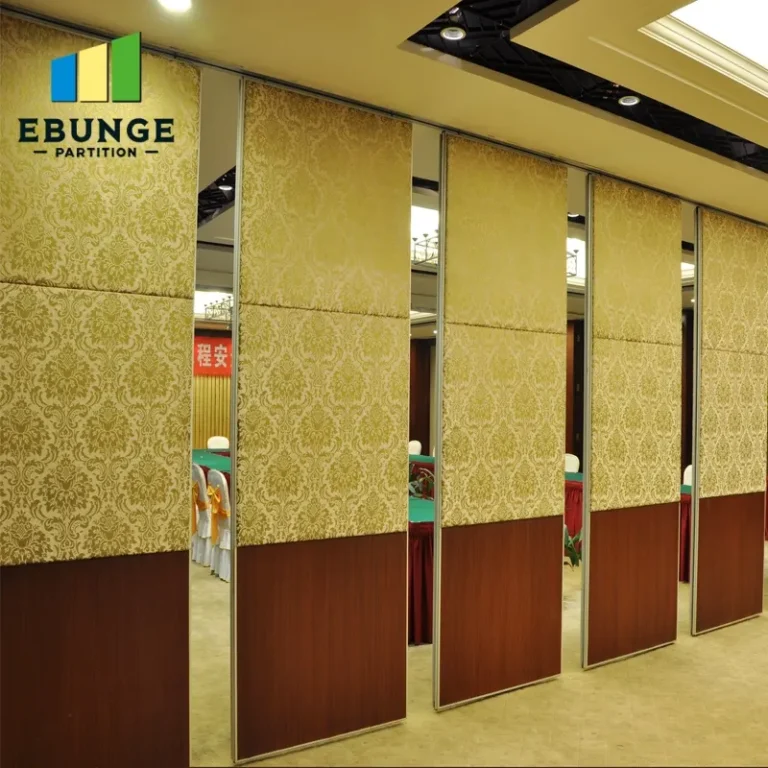
Our movable partition walls use a top-hung track system, which eliminates the need for a floor rail. This is especially beneficial in training centers where you want a clean, uninterrupted floor surface for seating or equipment. The track is installed overhead, and the panels are suspended, making operation smooth and reducing trip hazards. This system also allows for easy reconfiguration of spaces without altering the floor.
Acoustic Performance: Meeting Training Room Requirements
Acoustic privacy is essential in training centers, especially if you’re conducting simultaneous sessions or need quiet for exams. Discuss your acoustic target with the supplier—typically measured in Rw (weighted sound reduction index). The supplier should recommend appropriate panel thickness, seals, and insulation to achieve the desired sound insulation. Remember that acoustic performance depends on proper installation, so ensure the supplier provides detailed guidance.
Durability and Ease of Operation: Built for Daily Use
Training center partitions are used frequently, so durability is non-negotiable. Look for suppliers that use robust materials like steel frames and high-quality finishes that can withstand wear and tear. Ease of operation is also crucial—staff should be able to move partitions without special training. Ask about the operating mechanism: manual or motorized? Ensure it’s reliable and low-maintenance.
Installation Time and Project Coordination
Delays in installation can disrupt your training schedule. A professional supplier will provide a clear installation timeline and coordinate with your project team. They should survey the site, confirm dimensions, and plan for any modifications to existing structures. Ask about their installation process and how they handle unexpected issues, such as uneven ceilings or obstacles.
Warranty, Compliance, and Safety Standards
Verify that the movable partition supplier complies with fire safety standards and building codes relevant to your region. Ask for documentation on fire ratings, smoke seals, and emergency egress. A warranty on parts and workmanship is essential—understand what it covers and for how long. Don’t assume compliance; get written confirmation.
Compatibility with Existing HVAC and Lighting
Your training center likely has an HVAC system and lighting fixtures. The partition design must accommodate these, ensuring proper air circulation and light distribution. Discuss with the supplier how the partitions interact with ceiling-mounted equipment. They may need to provide cutouts or integrate with existing systems. A good supplier will ask about your HVAC and lighting layout during the quotation process.
Preparing for a Quotation: What Information to Share
To get an accurate movable partition cost, you need to provide specific details. The supplier will need:
- Opening sizes (width, height, and depth) for each partition location
- Architectural or floor plan drawings (if available)
- Acoustic target (e.g., Rw 40 dB)
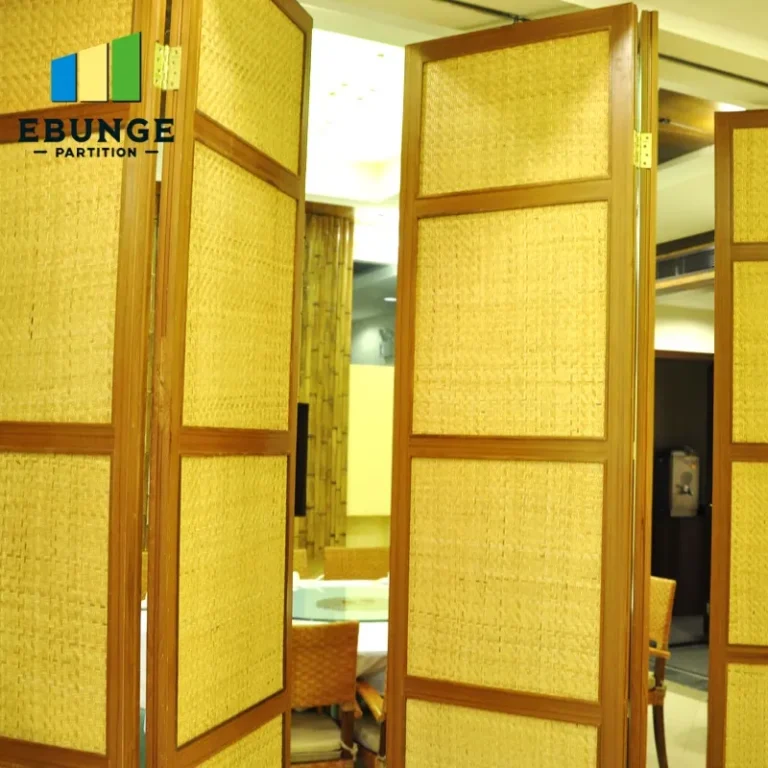
- Finish preference (e.g., whiteboard surface, fabric, wood veneer)
- Project location (for delivery and installation logistics)
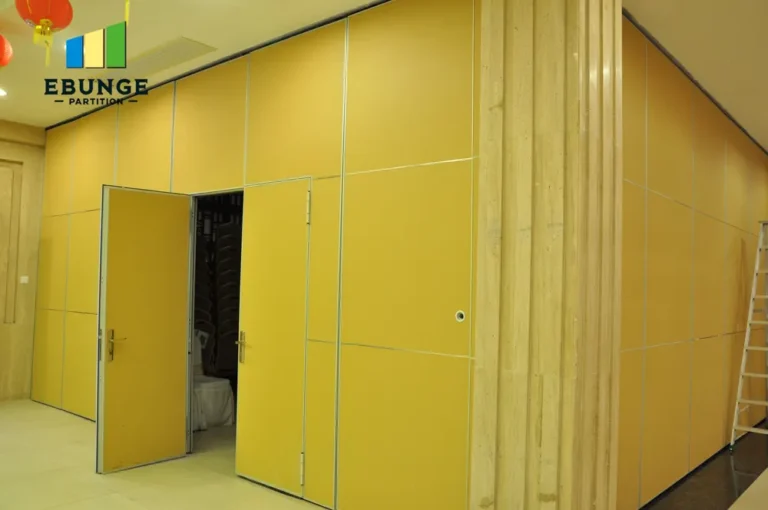
- Any special requirements (e.g., pass doors, glazing)
Having this information ready will speed up the quotation process and reduce back-and-forth. A reputable supplier will use this data to provide a detailed, itemized quote.
Share the opening, drawings, finish direction, and privacy target for a project-specific review.
Comparing Supplier Quotes: A Checklist
When you receive quotes from different movable partition suppliers, compare them carefully. Use this checklist:
| Checklist Item | Supplier A | Supplier B |
|---|---|---|
| Product specifications match requirements | Yes/No | Yes/No |
| Acoustic performance clearly stated | Yes/No | Yes/No |
| Installation timeline provided | Yes/No | Yes/No |
| Warranty terms included | Yes/No | Yes/No |
| Compliance with fire safety standards | Yes/No | Yes/No |
| References or case studies provided | Yes/No | Yes/No |
| Customization options available | Yes/No | Yes/No |
This simple table helps you see at a glance which supplier meets your needs.
Movable Partition Cost: What Influences the Price
The movable partition cost is influenced by several factors: the number of panels, panel height, acoustic rating, finish type, hardware quality, and installation complexity. Custom sizes or special features like integrated whiteboards will increase the price. It’s essential to get a breakdown of these costs so you can make informed decisions. A trustworthy supplier will explain each line item.
Overseas Delivery and Installation Considerations
If your project is overseas, discuss logistics early. Ask about shipping methods, lead times, and whether installation is included. A supplier with experience in international projects will handle customs, packaging, and site readiness. Clarify who is responsible for installation: the supplier’s team or a local contractor. If using a local contractor, ensure they have proper training from the supplier.
Common Pitfalls to Avoid When Choosing a Supplier
Many buyers focus solely on price and later face issues. Avoid these pitfalls:
- Choosing a supplier without verifiable experience
- Ignoring acoustic performance because it’s not visible
- Not checking warranty terms
- Assuming all top-hung systems are the same
- Failing to coordinate with HVAC and lighting
By being aware of these, you can make a more informed decision.
How to Evaluate Supplier Responsiveness
A supplier’s responsiveness during the inquiry phase often reflects their service quality. Send a detailed inquiry and see how quickly they respond, whether they ask clarifying questions, and if they provide useful feedback. A supplier that engages with your requirements is more likely to support you throughout the project.
Integrating Partitions with Training Center Technology
Modern training centers often have integrated technology: projectors, screens, and sound systems. Your movable partition walls should not interfere with these. Discuss with the supplier any provisions for cables, power outlets, or mounting points. Some partitions can be designed with pre-installed conduits or attachment points for AV equipment.
Conclusion: Choosing the Right Movable Partition Supplier
Selecting a movable partition supplier is about more than the movable partition cost—it’s about ensuring your training center functions efficiently for years. Prioritize reliability, customization, and clear communication. Prepare your project details, ask the right questions, and compare quotes thoroughly. With the right partner, your flexible spaces will meet acoustic, safety, and operational needs.
Frequently Asked Questions
How much does a movable partition wall cost for a training center?
The cost varies widely based on size, acoustic rating, finish, and customization. A supplier can provide a detailed quote after reviewing your opening sizes and requirements. Contact us for a tailored estimate.
What is the lead time for a custom movable partition order?
Lead times depend on the complexity of the project and the supplier’s production schedule. Typically, custom orders may take several weeks to manufacture and ship. Confirm the timeline with your supplier.
Can movable partitions be installed without floor rails?
Yes, top-hung track systems allow partitions to be suspended from the ceiling, eliminating the need for floor rails. This is ideal for training centers where floor space needs to be kept clear.
What acoustic performance can I expect from a movable partition?
Acoustic performance is measured in Rw (weighted sound reduction index). The exact value depends on the partition design and installation quality. Discuss your acoustic target with the supplier to ensure the right configuration.
Are movable partitions compliant with fire safety standards?
Reputable suppliers ensure their products meet relevant fire safety regulations. Ask for documentation on fire ratings and smoke seals to confirm compliance.
For more insights on movable partition walls, explore our movable partition wall options and cost guides. If you’re ready to discuss your training center project, contact us to get started.
Send the opening size and drawings to discuss a differentiated movable partition cost solution.