
Choosing the right movable walls for classrooms can be a pivotal decision for any school hall project. As a hotel owner or commercial buyer, you need a solution that balances acoustic performance, durability, and ease of operation, especially in a space that hosts assemblies, exams, and performances. This guide focuses on the practical considerations for specifying and purchasing an operable wall system for a school hall, helping you prepare for a successful quotation and installation.
Quick Answer: When selecting movable walls for classrooms in a school hall, prioritize acoustic performance (STC rating), durability for daily use, ease of operation (top-hung track without floor rail), safety for children, and compliance with building codes. Always provide your opening size, drawings, acoustic target, finish preference, and project location to get an accurate quotation.
Movable Walls For Classrooms: Understanding the Unique Demands of a School Hall
A school hall is not just a large room; it is a multifunctional space that must accommodate everything from daily assemblies to drama productions and sports activities. Unlike a hotel ballroom, a school hall sees heavy foot traffic, frequent use by children of varying ages, and often requires quick reconfiguration. This means your movable partition wall system must be robust, safe, and easy to operate, even for non-professional staff. The acoustic performance is also critical, as simultaneous classes or events may occur on either side of the wall.
Need help turning the movable walls for classrooms requirements into a practical project layout?
Key Technical Specifications to Evaluate
Before you request a quote, you need to define your technical requirements. The most important specification is the acoustic rating, typically measured as Sound Transmission Class (STC). For a school hall, an STC of 50 or higher is often recommended to minimize noise transfer between spaces. However, the exact target should be based on your specific needs and budget. Other critical specs include the wall’s fire rating, which must comply with local building codes, and the height and weight of the panels, which affect the structural support required.
Acoustic Performance and Testing
Acoustic performance is not just about the STC number; it also involves the sealing systems at the top, bottom, and vertical joints. A top-hung track system, which is our standard, avoids a floor rail, reducing trip hazards and making cleaning easier—an important factor in a school environment. Ensure the supplier provides test reports from accredited laboratories to verify the acoustic claims.
Durability and Maintenance: Built for Daily Use
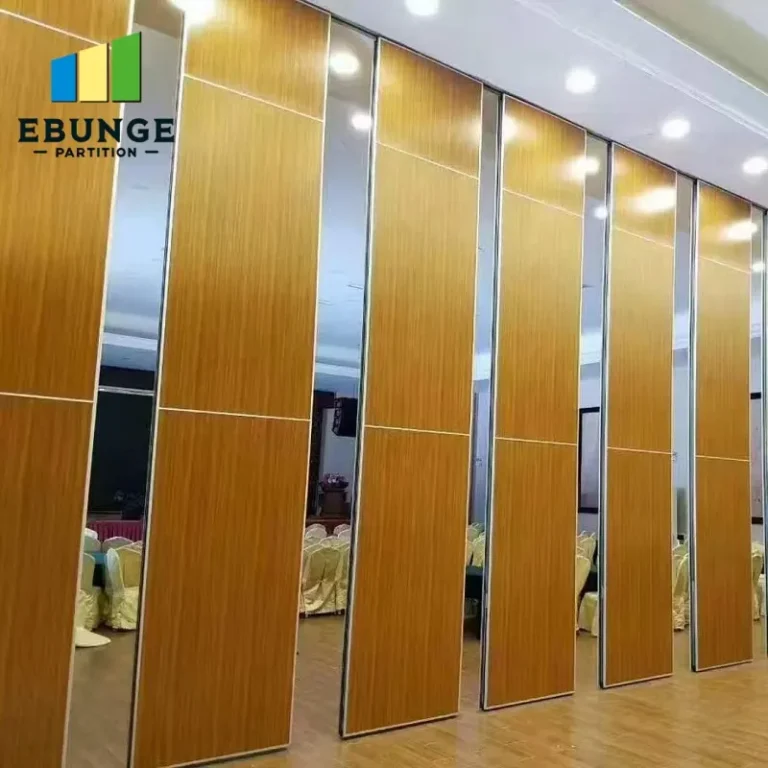
School halls are high-wear environments. Panels will be pushed, pulled, and sometimes bumped into by children. Look for a movable partition wall with a robust steel frame and impact-resistant panels. The finish should be scratch-resistant and easy to clean, such as a laminate or a paintable surface that can be refreshed. Maintenance requirements should be minimal, but regular checks of the track and trolleys are essential. Ask your supplier about the expected lifespan and recommended maintenance schedule.
Safety First: Protecting Children and Staff
Safety is non-negotiable in a school setting. The operable wall system must have safety features such as soft-close mechanisms, pinch guards, and clear signage for operation. There should be no sharp edges or protruding parts. Also, consider the ease of operation: if the wall is too heavy to move manually, it may require a motorized drive, which adds cost but reduces the risk of injury. Always ensure that the system complies with relevant safety standards, such as those for child safety in public buildings.
Ease of Operation: Manual vs. Motorized
How often will the wall be moved? In a school, it might be used daily to divide the hall for different classes. A manual system with a balanced top-hung track can be operated by one person if the panels are not too large. However, if panels are tall or heavy, a motorized system might be more practical. Consider the weight of the panels, the height of the ceiling, and the frequency of use. Motorized systems offer convenience but require electrical supply and more complex installation.
Installation Time and Project Coordination
Installation time can vary significantly based on the size of the project and the complexity of the system. A straightforward installation might take a few days, while a large school hall with multiple tracks could take weeks. To minimize disruption, plan the installation during school holidays or weekends. Your supplier should provide a detailed installation schedule and coordinate with other trades, such as electricians and ceiling contractors. Ensure that the site is ready, with the overhead structure capable of supporting the track load.
Cost-Effectiveness and Budget Planning
The cost of movable walls for classrooms is influenced by several factors: the size of the opening, the acoustic rating, the finish, and whether you choose manual or motorized operation. While it’s tempting to go for the lowest quote, consider the total cost of ownership, including maintenance and energy efficiency. A higher-quality system may cost more upfront but last longer and perform better. Get itemized quotes from multiple suppliers and compare them based on specifications, not just price.
Share the opening, drawings, finish direction, and privacy target for a project-specific review.
Compliance with Building Codes and Standards
Your movable partition wall must meet local building codes, including fire safety, accessibility, and structural requirements. The wall should have a fire rating appropriate for the building’s occupancy and be tested to relevant standards. Also, consider accessibility: if the wall creates a room that must be accessible to people with disabilities, the opening width and maneuvering space must comply with ADA or equivalent regulations. Your supplier should provide documentation of compliance.
How to Prepare for a Quotation
To get an accurate quotation, you need to provide specific information to the supplier. This includes the exact opening size (width, height, and depth), architectural drawings if available, the acoustic target (e.g., STC 50), the desired finish (laminate, paint, fabric), and the project location. The more details you provide, the more precise the quote will be. Also, indicate whether you need installation services or just the supply of the system.
Checklist for Choosing a Movable Wall Supplier
Use this checklist to evaluate potential suppliers:
- Does the supplier offer a top-hung track system without a floor rail?
- Can they provide acoustic test reports for the specific system?
- What is the lead time for manufacturing and installation?
- Do they offer custom finishes and sizes?
- What is the warranty period and after-sales support?
- Are there references from similar school projects?
- Do they provide installation drawings and guidance?
Frequently Asked Questions
1. What is the recommended STC rating for a school hall partition?
An STC rating of 50 or higher is generally recommended for school halls to reduce noise transfer, but the exact target depends on your acoustic needs and budget. Consult with an acoustic consultant to determine the appropriate rating.
2. Can a movable wall be customized to fit an irregular opening?
Yes, most suppliers, including EBUNGE, offer custom movable walls. You need to provide exact dimensions and drawings, and the supplier will design a system to fit your opening, including any special shapes or angles.
3. How long does installation typically take?
Installation time varies based on the project’s complexity. A single wall might take 2-3 days, while a large hall with multiple tracks could take a week or more. Your supplier should provide a detailed schedule.
4. What maintenance is required for a movable partition wall?
Regular maintenance includes checking the track for debris, lubricating moving parts, and inspecting seals for wear. Most systems require minimal upkeep, but a yearly inspection by a professional is recommended.
5. Are there safety features for children?
Yes, look for systems with soft-close mechanisms, pinch guards, and no sharp edges. Also, ensure the operation is simple enough for staff to use safely, and consider motorized options if the wall is heavy.
Comparing Manual vs. Motorized Systems
| Feature | Manual | Motorized |
|---|---|---|
| Cost | Lower initial cost | Higher initial cost |
| Ease of use | Requires physical effort | Push-button operation |
| Maintenance | Simple mechanical parts | Electrical components need checks |
| Safety | Potential for strain | Reduced physical risk |
| Best for | Smaller panels, infrequent use | Large panels, frequent use |
Making the Final Decision
Choosing the right movable walls for classrooms in a school hall requires careful consideration of technical, safety, and cost factors. By defining your requirements and asking the right questions, you can find a system that meets your needs and provides long-term value. Remember to gather multiple quotes and compare them based on specifications, not just price.
For more insights on movable partition applications, explore our Movable Partition Applications category. If you have specific project details, contact us for a tailored quotation. You can also browse our blog for additional technical information.
Ready to Start Your Project?
When you are ready to move forward, make sure you have the following information ready: your opening size, drawings, acoustic target, finish preference, and project location. This will streamline the quotation process and ensure you receive an accurate proposal. Our team is here to guide you through every step, from initial consultation to installation and beyond.
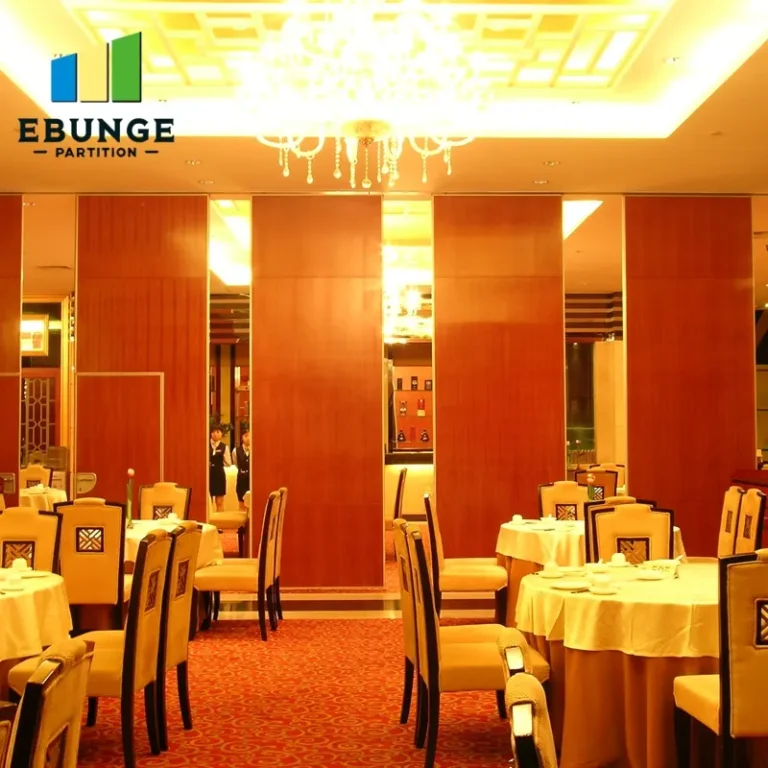
In conclusion, the right movable walls for classrooms can transform your school hall into a flexible, functional space. By focusing on acoustic performance, durability, safety, and ease of operation, and by preparing detailed project information, you can make an informed decision that will benefit your institution for years to come.
Send the opening size and drawings to discuss a differentiated movable walls for classrooms solution.