
Quick project answer
Review focus: track fixing preliminaries.
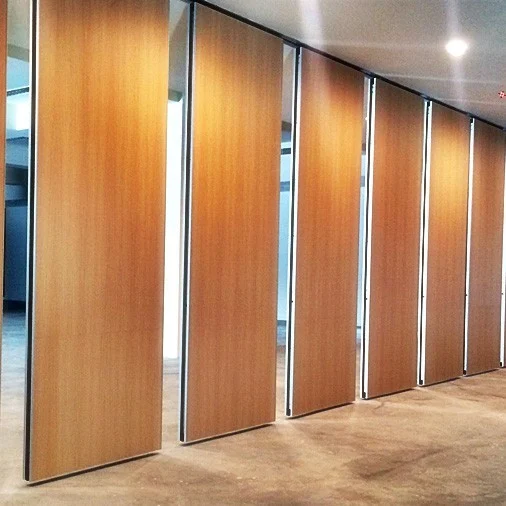
The exact route, junction arrangement, continuous overhead path and parking position must be confirmed from the coordinated project drawings. That is a scoring risk. Movable wall panels are individually movable, suspended from a top track, cross the opening without a floor track, and park at a planned stacking position. Because the panels hang from above, the tender must show how the overhead route, support review and stacking zone are coordinated before bids are compared. This article offers an evidence-bounded framework for weighting those preliminaries without inventing engineering outcomes.
Why Track Fixing Preliminaries Deserve Their Own Score Line
Track fixing preliminaries are not a single product choice. The suitability of each route and parking arrangement depends on the approved layout, circulation, ceiling interfaces and operating sequence. If these tasks are buried inside a general installation allowance, bidders may price different scopes without the evaluator noticing.
A separate score line makes assumptions visible. It also lets the tender team compare what each bidder has actually reviewed rather than what each bidder has promised. The goal is not to reward the longest submission. The goal is to reward submissions that show a traceable review path and clearly state what still requires project-specific confirmation.
Define the Evidence Boundary Before Scoring
Every scoring model needs a boundary between maintained product facts and project-specific engineering. EBUNGE confirms that panels are top-hung, move without a continuous floor running track along the partition line, and park at a planned stacking position. Finish options include laminate, melamine, fabric, leather, glass and other approved surfaces. Pass-door requirements and project documentation can be discussed.
The tender should therefore separate product facts from project confirmations. A bidder who states a support conclusion without a matching review is not providing stronger evidence; they are creating an unverified claim.
Evidence note: a visible finish, drawing or photograph does not prove acoustic, structural, fire, durability or maintenance performance. Those items require matching project evidence and confirmation by the responsible professionals.
A Weighted Scoring Framework for Track Fixing Preliminaries
The weights below are a starting structure, not a universal rule. Adjust them to the project’s risk profile, procurement rules and drawing maturity. What matters is that each weight maps to a checkable submission item.
| Scoring criterion | What to look for | Suggested weight band |
|---|---|---|
| Route and layout review | Straight, turning and stacking routes identified from the layout | High |
| Overhead continuity | Continuous connected overhead route shown; no untracked gap implied | High |
| Support coordination | Clear statement of who confirms support conditions and when | High |
| Stacking zone planning | Parking position coordinated with room use and adjacent trades | Medium |
| Finish and pass-door scope | Approved finish direction and pass-door requirements discussed | Medium |
| Documentation quality | Assumptions, exclusions and open items listed plainly | Medium |
Weight bands should be agreed before bids arrive. If the evaluator changes weights after seeing submissions, the model loses credibility and bidders cannot respond fairly.
Drawing Review Questions That Reveal Real Coordination
Route questions
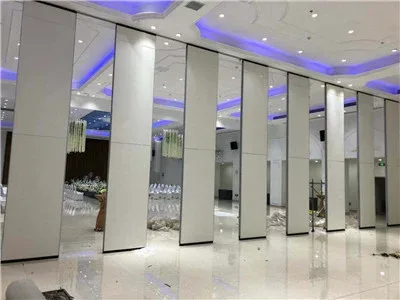
Ask each bidder to mark the intended movement path on the layout. The path should show how panels travel from the closed position to the parking position. Where panels stack, the submission should show the planned stacking position and note any coordination with adjacent services or finishes.
Support questions
The exact overhead route and support arrangement must be confirmed by the responsible project team from coordinated drawings. A strong answer names the responsible discipline and lists the drawings or details required. The tender should not treat an assertion as evidence.
Interface questions
These interfaces often determine whether the installation sequence can proceed as planned. The scoring model can reward bidders who identify interfaces early rather than discovering them on site.
Common Weighting Mistakes in Procurement and Tender Review
One mistake is scoring only the panel finish and ignoring the overhead route. Another is treating a bidder’s general statement about experience as proof of project-specific review.
A fourth mistake is comparing acoustic descriptions without defining terms. If acoustic requirements matter, the tender should ask for project-specific documentation rather than inferring performance from a product name or finish.
How to Score Without Overclaiming
- Publish the scoring criteria and weights before the bid period closes.
- Require a marked-up layout showing straight, turning and stacking routes.
- Require a written statement of support review responsibility and information needs.
- Require a list of assumptions, exclusions and open items.
- Score the quality of the review path, not the confidence of the wording.
- Record which items remain subject to project-specific confirmation.
This sequence keeps the evaluation grounded.
FAQ: Track Fixing Preliminaries in Tender Scoring
What does ‘track fixing preliminaries’ include in a tender?
It covers the coordination work needed before panels can operate: route review, overhead continuity, support coordination, stacking zone planning and interface checks. It is not a single product specification.
Should track fixing preliminaries be scored separately from the panels?
Yes, where the project has overhead support or route complexity. A separate score line makes assumptions visible and prevents bidders from pricing different scopes inside one allowance.
Can a bidder confirm support capacity from a drawing alone?
No. A drawing can show intent, but it does not by itself confirm capacity or load path.
How should acoustic performance be weighted?
Ask for project-specific documentation and avoid inferring performance from a finish or product name.
What if the stacking position is not yet decided?
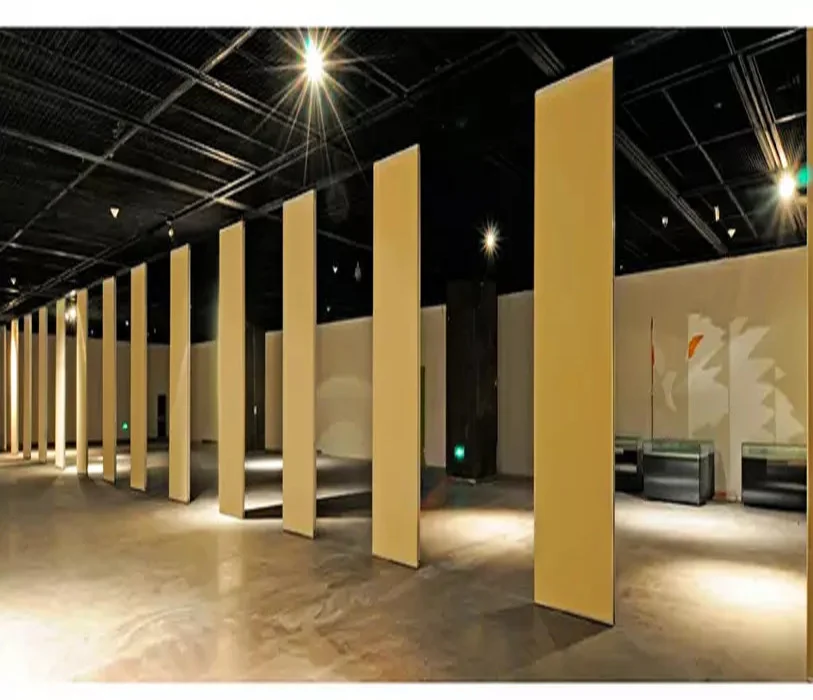
State it as an open item and require the bidder to describe how the parking position will be coordinated. Parking style is customized to the customer layout and project requirements.
Where can project teams find more guidance?
Review the movable walls product context and the resources library, then confirm project-specific support, acoustic and dimensional requirements with the responsible professionals.
Conclusion: Score the Review Path, Not the Promise
A defensible tender scoring model rewards bidders who show how they reviewed the overhead route, support coordination and stacking plan. It does not reward confident wording or unsupported performance claims. Keep product facts separate from project confirmations, publish weights early, and record every open item for later resolution.
To discuss pass-door requirements, project documentation or configuration questions for your layout, contact the EBUNGE team and confirm project-specific support, acoustic and dimensional requirements before award.