
Quick answer: bidder track fixing sequence
Review focus: bidder track fixing sequence.
Track fixing sequence claims often arrive in a bidder’s technical submission as a confident paragraph: the overhead route is continuous, the fixing sequence is coordinated, and the installation will follow the approved drawings. For the project team, the real task is partition tender bidder track fixing sequence drawing verification — checking whether those words are actually supported by the tender drawings, the layout information and the bidder’s own clarifications. This article sets out an evidence-bounded review method for contractors, architects, designers, owners and procurement teams. It does not replace project-specific engineering review, and it does not assume any performance result that has not been confirmed for your project.
Why Track Fixing Sequence Claims Need Drawing-Level Verification
Project review term: bidder track fixing sequence.
A movable partition is top-hung: panels are individually movable, suspended from a top track, cross the opening without a floor track, and park at a planned stacking position. That single sentence already creates a chain of dependencies. The overhead route must be continuous and connected wherever panels are expected to travel. The parking position must be planned. The opening geometry must match the panel layout.
The suitability of each route and parking arrangement depends on the approved layout, circulation, ceiling interfaces and operating sequence. Drawing-level verification is how you test whether the claim is a real coordination proposal or a generic statement. The goal is not to catch bidders out; it is to make the assumptions visible before they become site instructions.
What the Tender Drawings Should Show
Coordination scope: bidder track fixing sequence.
Tender drawings vary in maturity, so start by agreeing what level of information is reasonable at bid stage. You are looking for enough detail to confirm that the bidder has understood the route, not for a fully coordinated installation drawing. Where information is missing, the bidder should state the assumption and the confirmation required.
Route and geometry information
- Plan and elevation views showing the full travel path, including any turning or stacking route.
- The relationship between the top track and the opening, adjacent walls and ceiling zone.
- The planned parking or stacking position and how it relates to the room layout.
- Any interface with doors, pass-doors or adjacent finishes that affects the sequence.
Support and coordination information
- Which party is responsible for confirming the supporting structure and its readiness.
- How the track route interacts with ceiling voids, services or other overhead elements.
- What site measurements or surveys the bidder expects before fabrication or installation.
- What documentation the bidder will provide for review and approval.
If a drawing shows a route but not the support condition, the claim is incomplete rather than wrong. Mark it as an open item and require a written clarification.
A Step-by-Step Review Process for Bid Evaluation
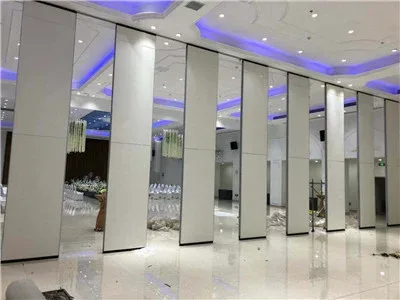
Checklist focus: bidder track fixing sequence.
Use a consistent sequence so that every bidder is assessed against the same questions. The process below is a coordination framework, not an engineering method.
- Extract every sequence claim. Highlight each sentence in the bid that describes order of work, fixing, support, route or parking.
- Map each claim to a drawing. Note the drawing number, revision and view. If no drawing supports the claim, record it as unsupported.
- Check route continuity. Confirm the drawings show a connected overhead route for every movement the layout requires.
- Check the parking position. Confirm the stacking location is shown and does not conflict with other building elements.
- List assumptions and exclusions. Capture what the bidder has assumed about structure, dimensions or site conditions.
- Issue clarification questions. Ask for written responses that reference specific drawings rather than general statements.
- Compare responses across bidders. Use the same criteria so that the comparison is fair and traceable.
Evidence Note: What a Drawing Can and Cannot Prove
Review focus: bidder track fixing sequence.
A drawing can show a proposed route, a parking position and an intended sequence. Those matters require project-specific confirmation by the responsible parties. Do not infer hidden performance from a visible line, symbol or finish.
This boundary matters during tender review because drawings are often treated as proof of more than they contain. A clean-looking track line is not evidence that the supporting structure has been checked. A stacking detail is not evidence that the stacking area has been coordinated with other trades. Keep the distinction clear in your evaluation notes.
Common Gaps in Bidder Sequence Submissions
Project review term: bidder track fixing sequence.
Certain gaps appear repeatedly in tender reviews.
| Gap | What it looks like | Useful clarification |
|---|---|---|
| Route shown only in plan | No elevation or section through the track zone | Request a section showing the track relationship to the ceiling and structure |
| Parking position implied | Stacking area mentioned but not drawn | Ask for the parking layout and its coordination with adjacent elements |
| Support responsibility unclear | Sequence described without naming who confirms the support condition | Confirm the responsible party and the evidence required before installation |
| Assumptions not listed | Bid reads as if all dimensions are fixed | Request a written assumptions and exclusions schedule |
| Finish and interface detail missing | Finish options named without interface drawings | Ask how the chosen finish interacts with adjacent construction |
None of these gaps automatically disqualify a bidder. They indicate where the submission needs more information before the sequence can be treated as coordinated.
How to Compare Bidders Fairly
Fair comparison depends on asking the same questions and applying the same evidence standard. Create a simple matrix with one row per claim and one column per bidder. Record whether the claim is supported by a drawing, supported by a written clarification, or still open.
Where a bidder offers finish options such as laminate, melamine, fabric, leather, glass or other approved surfaces, check that the sequence and interface implications of the chosen finish are addressed. Where pass-doors are required, confirm that the bidder has described how they fit the movement and parking logic. Project documentation can be discussed with the supplier to align expectations before award.
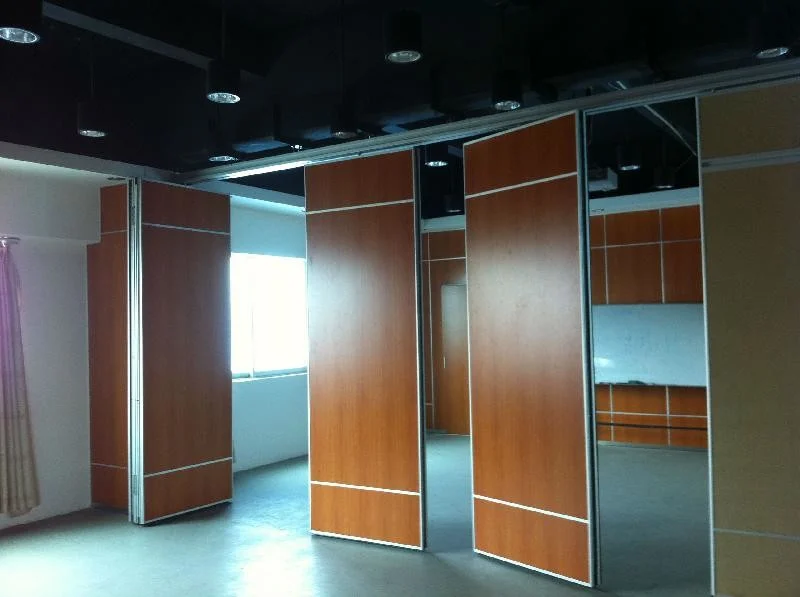
For maintained product context, see the movable walls product page. For broader planning material, the resources section is a useful starting point.
Frequently Asked Questions
What is track fixing sequence drawing verification?
It is the process of checking whether a bidder’s described order of work, track route and support assumptions are actually shown or supported by the tender drawings and written clarifications. It is a review activity, not a substitute for engineering design.
Can a bidder’s sequence claim be accepted without a drawing?
It can be noted, but it should be treated as an open item until the bidder provides a drawing reference or a written clarification that explains the basis of the claim. Accepting unsupported claims makes later coordination harder.
Does a continuous overhead route guarantee acoustic performance?
No. Route continuity is a movement and coordination matter.
Who should confirm the supporting structure?
The responsible party should be named in the tender documents or agreed during clarification. The bidder’s sequence claim should state what confirmation is required and from whom before installation proceeds.
How should parking and stacking be verified?
Check that the planned parking position is shown in the layout and that the route to it is continuous. Parking style is customized to the customer layout and project requirements, so confirm the arrangement against your own drawings.
What if the tender drawings are not fully developed?
That is common. In that case, require the bidder to list assumptions and to identify what must be confirmed later. The evaluation should reward clarity about unknowns rather than confident statements that cannot be traced to information.
Conclusion and Next Steps
Verifying bidder track fixing sequence claims is mostly a discipline of traceability. Every claim should point to a drawing, a clarification or a clearly stated assumption. Where evidence is missing, record it as an open item rather than filling the gap with inference. This approach protects the project from surprises and gives all bidders a fair basis for comparison.
Before award, confirm the project-specific support, acoustic and dimensional requirements with the responsible parties. If you would like to discuss documentation expectations or pass-door requirements for your layout, contact the EBUNGE team to continue the conversation.