
When you are sourcing a training center folding partition supplier, the decision goes far beyond comparing product brochures. As a project contractor, you need a partner who can translate acoustic requirements, spatial layouts, and installation timelines into a reliable, code-compliant solution. This guide is designed to help you evaluate suppliers systematically, prepare the right technical information, and avoid costly misunderstandings during inquiry and quotation stages.
Quick answer: A dependable training center folding partition supplier should offer customizable movable partition walls with verified acoustic performance, clear project management support, and transparent logistics for overseas delivery. To get an accurate quote, you must provide your opening size, drawings, acoustic target, finish preference, and project location.
Why Supplier Reliability Matters for Training Centers
Training centers often require flexible spaces that can host lectures, workshops, and exams. A movable partition wall must operate smoothly, provide adequate sound insulation, and withstand frequent use. Supplier reliability directly impacts your installation timeline, ongoing maintenance, and the end-user experience. A supplier that lacks experience with training center layouts or fails to communicate clearly can derail your project schedule and budget.
When evaluating suppliers, look beyond the product specs. Assess their track record with similar projects, their willingness to provide references, and their responsiveness during pre-sales. A reliable supplier will ask detailed questions about your project and offer practical advice on partition placement, stacking, and acoustics.
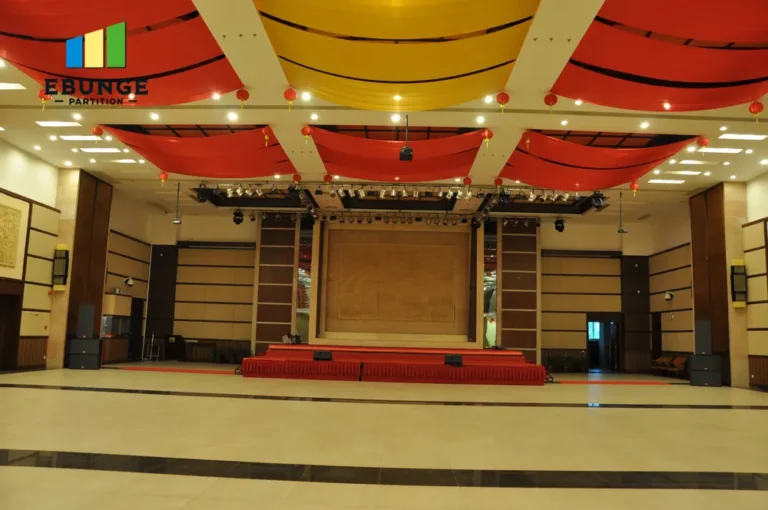
Need help turning the training center folding partition supplier requirements into a practical project layout?
Customization Support: Tailoring Partitions to Your Training Center
Training centers often have unique architectural features, such as irregular ceiling heights, curved walls, or existing HVAC systems. A standard partition may not fit perfectly. A competent supplier should offer customization in panel dimensions, finish materials, and glazing options. They should also be able to integrate with your building’s structural constraints.
During the inquiry stage, ask about their engineering capabilities. Can they provide shop drawings? Do they offer CAD support? How do they handle non-standard openings? Customization also extends to acoustic performance; you may need different sound insulation levels for different rooms. A supplier that can tailor the partition’s core and seals to meet specific acoustic targets is invaluable.
Finish Options and Aesthetic Integration
Training centers often require partitions that match the interior design. Suppliers should offer a range of finishes, including laminates, veneers, or paint-ready surfaces. Ask for samples and check how finishes withstand wear and tear. Aesthetic integration is not just about color; it also involves the partition’s sightlines, handle design, and how panels stack when open.
Acoustic Performance: What You Need to Know
Acoustic performance is a critical factor for training centers. You need partitions that minimize sound transfer between simultaneous sessions. The key metric is the Sound Transmission Class (STC) rating. However, STC ratings are only meaningful if they are achieved in real-world installations. Ensure the supplier provides detailed acoustic test reports from accredited laboratories.
Ask about the partition’s sealing mechanisms—perimeter seals, bottom seals, and panel-to-panel interlocks. These affect acoustic performance. Also, consider the flanking paths: sound can travel through ceilings, floors, and adjacent walls. A supplier should advise on how to address these to meet your acoustic target. Remember, a high STC rating on paper does not guarantee on-site performance if installation is poor.
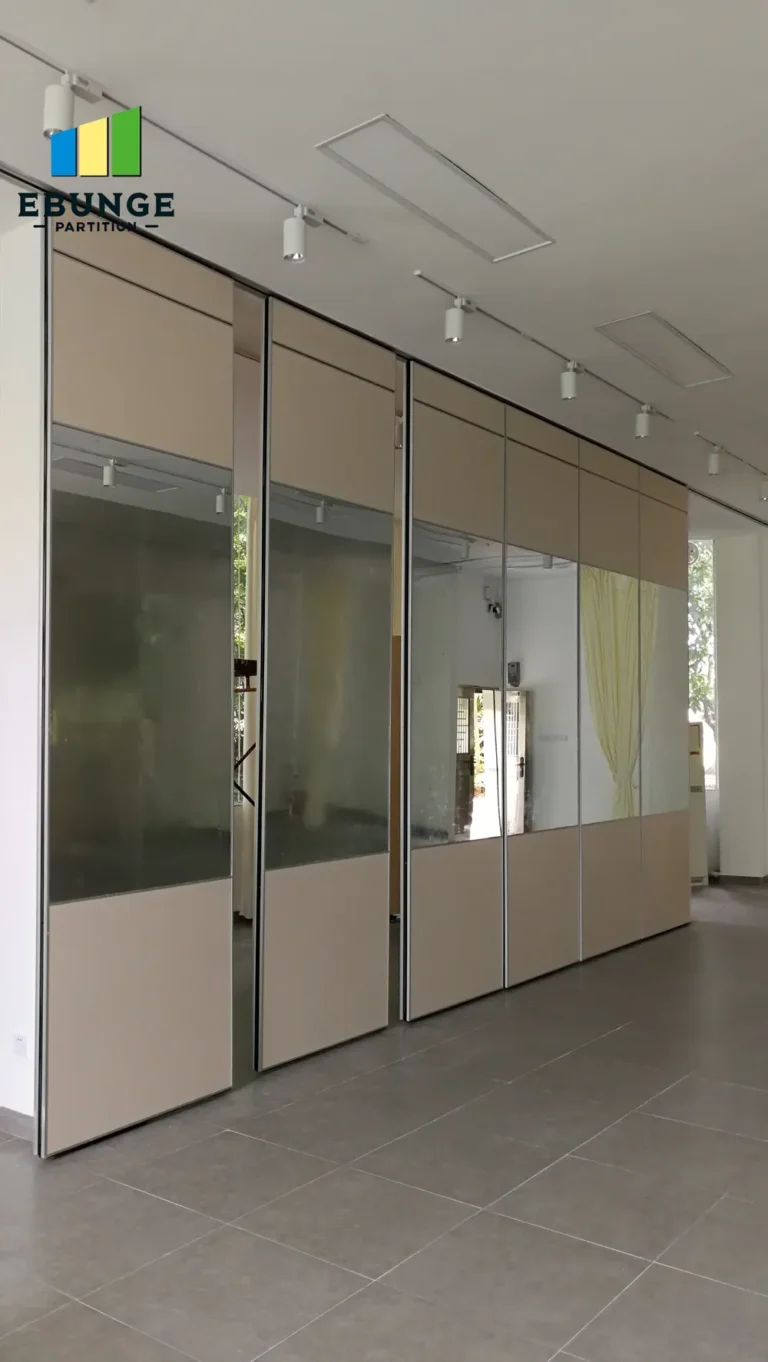
Installation Timeline and Project Management
Installation time is a major concern for contractors. Delays can affect the entire project schedule. A reliable supplier will provide a realistic installation timeline based on the number of panels, complexity, and site conditions. They should also offer project management support, including coordination with other trades, site supervision, and clear communication.
Inquire about the installation crew’s experience. Are they factory-trained? Do they have experience with training center projects? Also, ask about the installation process: does it require special tools or equipment? How do they handle unexpected site conditions? A supplier that can adapt to changes and minimize downtime is a valuable partner.
Durability and Warranty: Long-Term Performance
Training center partitions are used frequently, sometimes daily. Durability is essential to avoid frequent repairs. Look for suppliers that use robust materials, such as heavy-duty steel frames and quality hardware. Ask about the expected lifespan of the partition and the warranty terms.
A warranty is a sign of confidence, but you must read the fine print. What does it cover? Parts and labor? How long is the warranty period? Are there exclusions? Also, ask about after-sales support: do they offer spare parts, and how quickly can they respond to maintenance requests? A supplier with a local distributor or service network can be advantageous.
Compliance with Building Codes and Standards
Training centers must adhere to local building codes, including fire safety, accessibility, and structural requirements. Your partition supplier should be familiar with these codes and provide products that meet or exceed them. Ask for documentation, such as fire test certificates and compliance statements.
For overseas projects, ensure the supplier understands the destination country’s regulations. They should also provide necessary documentation for customs clearance and installation approvals. A supplier that is proactive about compliance can save you from legal and safety issues down the line.
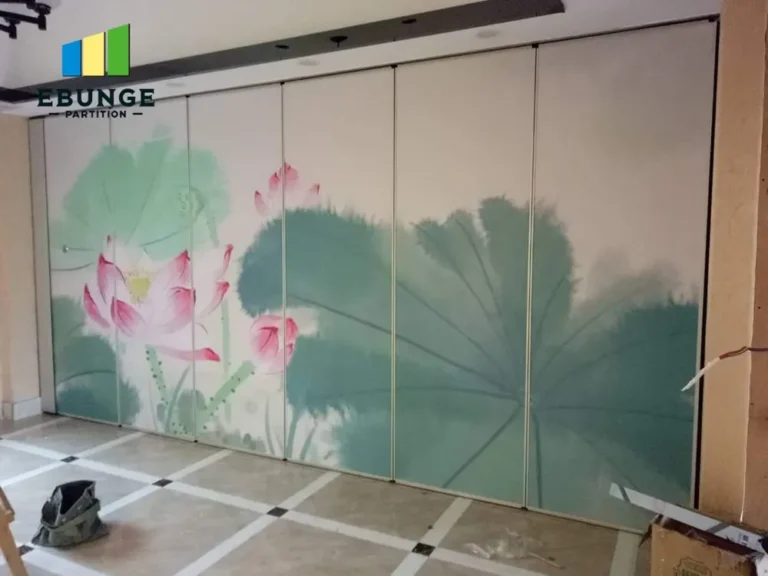
Share the opening, drawings, finish direction, and privacy target for a project-specific review.
Delivery Logistics and Overseas Shipping
If you are sourcing from overseas, delivery logistics are a key consideration. A reliable supplier will manage packing, shipping, and customs documentation. They should provide a clear delivery schedule and track shipments. Ask about their experience with international projects and how they handle potential delays.
Also, consider the cost of shipping and insurance. Some suppliers include these in their quotes, while others add them later. Clarify the Incoterms and what is included in the price. A transparent supplier will break down costs and help you avoid unexpected expenses.
Total Cost of Ownership: Beyond the Initial Quote
When comparing quotes, look beyond the initial price. Consider the total cost of ownership, which includes installation, maintenance, energy efficiency, and potential replacement. A cheaper partition might have higher maintenance costs or a shorter lifespan. Evaluate the quality of materials and hardware, as they affect durability.
Also, consider the cost of spare parts and the availability of after-sales service. A supplier that offers comprehensive support may justify a higher upfront cost. Ask for a detailed breakdown of costs and compare apples to apples.
Preparing Your Inquiry: Essential Information for Accurate Quoting
To get an accurate quote, you must provide detailed information. This not only speeds up the process but also ensures the supplier understands your requirements. Here is a checklist of information to include in your inquiry:
| Information | Details to Provide |
|---|---|
| Opening size | Width, height, and depth of each opening, including any obstructions. |
| Drawings | Architectural or structural drawings showing the partition locations and surrounding elements. |
| Acoustic target | Desired STC rating or specific acoustic performance requirements. |
| Finish preference | Material, color, texture, and any branding requirements for the partition surfaces. |
| Project location | Country, city, and site conditions that may affect installation or logistics. |
| Timeline | Expected installation date and any milestones that affect the schedule. |
| Special requirements | Fire ratings, accessibility features, or integration with other systems. |
Providing this information upfront enables the supplier to give you a more precise quote and identify potential challenges early. It also demonstrates that you are a serious buyer, which can lead to better service.
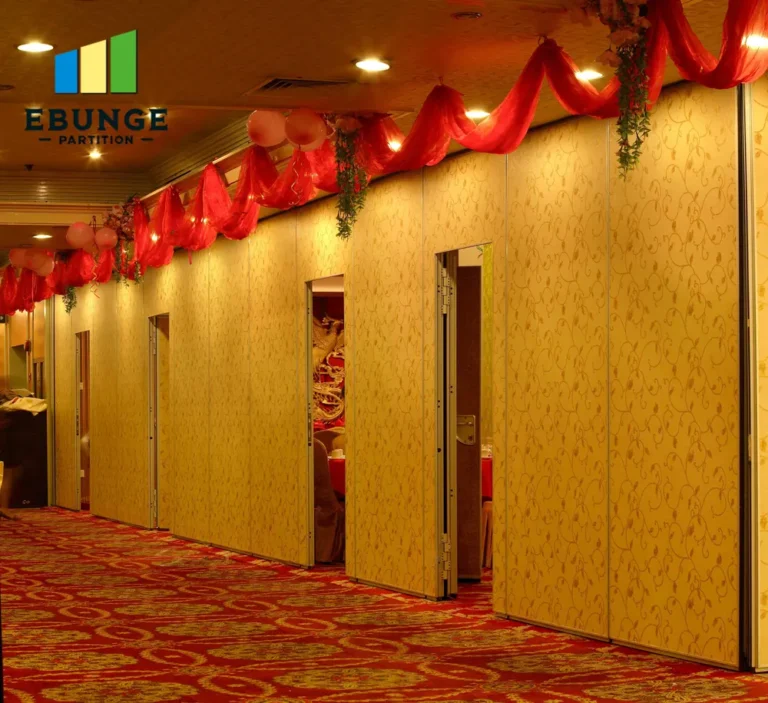
Final Checklist for Choosing Your Training Center Folding Partition Supplier
To sum up, here is a practical checklist you can use when evaluating suppliers:
- Experience: Have they worked on training center projects before?
- Customization: Can they adapt to your specific dimensions and design?
- Acoustic data: Do they provide verified test reports?
- Installation: What is their typical timeline and crew experience?
- Warranty: What is covered and for how long?
- Compliance: Do their products meet local codes?
- Logistics: How do they handle overseas shipping and customs?
- Cost transparency: Are there any hidden fees?
By following this checklist, you can make an informed decision that balances quality, cost, and reliability.
Frequently Asked Questions
What information should I provide to get a quote from a training center folding partition supplier?
You should provide your opening size, drawings, acoustic target, finish preference, and project location. This allows the supplier to give an accurate quote and identify any technical challenges.
How do I verify the acoustic performance of a movable partition?
Ask for acoustic test reports from accredited laboratories. Ensure the STC rating is relevant to your application and consider on-site factors like flanking paths.
Can a folding partition be customized to fit non-standard openings?
Yes, a reputable supplier can customize panel sizes and configurations. Provide detailed drawings and discuss your requirements with the supplier’s engineering team.
What are the typical installation timelines for training center partitions?
Installation timelines vary based on the number of panels and site complexity. A reliable supplier will give you a realistic schedule based on your project details.
How do I ensure the partition complies with local building codes?
Ask the supplier for compliance documentation, such as fire test certificates. Also, verify that they understand the codes in your project’s location.
What should I consider for overseas delivery?
Clarify shipping terms, costs, and responsibilities. A good supplier will manage packing, customs, and provide tracking information.
Conclusion: Partner with a Supplier That Understands Your Project
Choosing the right training center folding partition supplier is a strategic decision that impacts your project’s success. By focusing on reliability, customization, acoustic performance, and logistics, you can find a partner who supports you from inquiry to installation. Remember to provide comprehensive information and ask the right questions to get the best value.
For more insights on movable partition solutions, explore our movable partition wall guide and industry blog. If you are ready to discuss your project, contact our team for expert advice.
For this buyer review, training center folding partition supplier should be checked against the confirmed opening, drawings, operating plan, and project specification.
Send the opening size and drawings to discuss a differentiated training center folding partition supplier solution.