
When planning a training center, the choice of folding partition finishes is not just about aesthetics; it directly impacts the functionality, acoustics, and longevity of your space. For an office renovation company, understanding the nuances of training center folding partition finishes is crucial to delivering a project that meets client expectations and building codes. This guide focuses on the design considerations and technical requirements that influence your purchasing decision, helping you prepare for accurate quotations and successful project execution.
Direct answer: The best training center folding partition finishes balance acoustic performance, durability, and visual appeal. Prioritize finishes that complement your acoustic strategy, withstand heavy use, and align with the training center’s branding. Always confirm performance data and specifications with your supplier, and share your project’s specific requirements to get tailored advice.
Training Center Folding Partition Finishes: Why Finish Selection Matters in Training Centers
Training centers are dynamic environments where spaces are frequently reconfigured for different activities—from lectures and workshops to group discussions and presentations. The finish of your movable partition wall not only defines the room’s character but also affects its acoustic insulation, maintenance ease, and durability. A well-chosen finish can enhance the learning experience by reducing distractions and creating a professional atmosphere.
Moreover, the finish contributes to the overall acoustic performance of the operable wall system. While the core construction and sealing mechanisms are primary, the surface material can influence sound absorption and reflection. Hence, selecting the right finish is integral to achieving your acoustic targets.
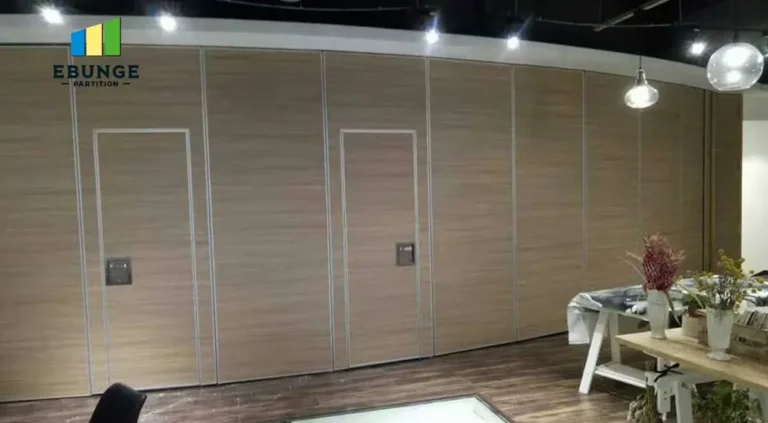
Need help turning the training center folding partition finishes requirements into a practical project layout?
Top-Hung Track Systems and Finish Compatibility
Our top-hung track systems eliminate the need for floor rails, offering a clean, unobstructed finish that is ideal for training centers. This design not only enhances safety by removing trip hazards but also simplifies cleaning and maintenance. When choosing finishes, ensure they are compatible with the top-hung mechanism, allowing smooth operation without compromising the panel’s structural integrity.
Finishes should be lightweight yet sturdy, as they are part of the moving panels. Heavy finishes can strain the track system, leading to premature wear. Consult with your supplier to confirm the maximum panel weight and choose finishes that meet these constraints.
Acoustic Partition Solutions: Finish Impact on Sound Insulation
Acoustic performance is a top concern for training centers, where confidentiality and minimal disturbance are often required. The finish plays a role in sound absorption, especially if it includes porous materials like fabric or acoustic panels. However, the overall sound insulation is determined by the partition’s mass, seals, and structural connections.
When evaluating finishes, consider their sound absorption coefficient (NRC) and how they interact with the partition’s core. For instance, a fabric finish can improve sound absorption within the room, reducing echo, while a rigid finish like laminate may reflect sound, increasing reverberation. Your acoustic partition solutions should be designed to meet the specific acoustic requirements of your project, so share your target sound transmission class (STC) with your supplier.
Durability and Maintenance: Finishes That Last
Training centers experience high traffic and frequent use of partitions. Therefore, finishes must withstand impacts, scratches, and stains. Common durable options include laminate, veneer, and painted surfaces, each offering different levels of resistance. Laminate is highly durable and available in various patterns, while veneer provides a natural look but may require more care. Painted finishes are cost-effective but can chip over time.
Maintenance is another key factor. Finishes that are easy to clean and repair will reduce long-term costs. For example, laminate surfaces can be wiped clean, while fabric finishes may require professional cleaning. Consider the maintenance requirements in your decision and communicate them to the end-user.
Design Aesthetics: Aligning with Brand and Function
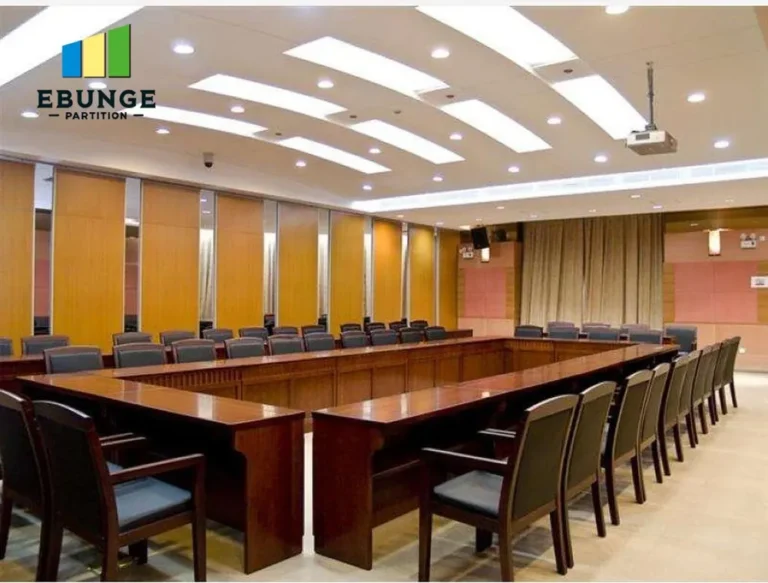
The finish should align with the training center’s branding and the intended use of each space. For corporate training rooms, a professional look with neutral tones or wood finishes may be preferred. For creative or educational settings, vibrant colors or writable surfaces (like whiteboard or chalkboard finishes) can be functional and engaging.
Custom movable walls offer the flexibility to match any design vision. From fabric panels that add texture to glass partitions that promote transparency, the choices are vast. However, ensure that aesthetic choices do not compromise acoustic or durability requirements. Work with your supplier to explore finish options that meet all criteria.
Ease of Operation and Installation Time
The finish can influence the ease of operation and installation time. Heavier finishes may require more effort to move, especially if the panels are large. Smooth, non-porous finishes are easier to handle and less prone to damage during installation. Additionally, finishes that are pre-finished or require minimal on-site preparation can reduce installation time, which is critical for project schedules.
Discuss installation logistics with your supplier. Some finishes may require special handling or acclimatization, affecting the timeline. A reputable supplier will provide guidance on installation best practices to ensure a smooth process.
Share the opening, drawings, finish direction, and privacy target for a project-specific review.
Compliance with Building Codes and Standards
Your finish selection must comply with local building codes, including fire safety, accessibility, and indoor air quality. For instance, finishes must have appropriate fire ratings, especially in public buildings. Low-VOC finishes are also recommended to maintain healthy indoor air quality.
Ensure that your supplier provides documentation of compliance, such as fire test certificates and material safety data sheets. This not only ensures legal compliance but also demonstrates professionalism to your clients.
Cost-Effectiveness and Quotation Readiness
Finishes vary significantly in cost, and the choice impacts the overall project budget. While initial cost is important, consider the lifecycle cost, including maintenance and replacement. A higher upfront investment in durable finishes may save money in the long run.
To get an accurate quotation, be prepared to share the following details with your supplier:
- Opening size and configuration (width, height, number of panels)
- Architectural drawings or floor plans
- Acoustic target (e.g., STC rating)
- Finish preference (color, material, texture)
- Project location (for logistics and installation)
Providing this information upfront ensures a tailored quote that meets your specific needs.
Practical Checklist for Evaluating Finishes
| Criteria | Considerations |
|---|---|
| Acoustic performance | NRC, STC, and how finish affects sound absorption |
| Durability | Resistance to scratches, impacts, and stains |
| Maintenance | Ease of cleaning, repair options |
| Design flexibility | Color, texture, and customization options |
| Weight | Compatibility with top-hung track system |
| Installation | Prefinished options, on-site preparation |
| Compliance | Fire rating, VOC emissions, accessibility |
| Cost | Initial cost, lifecycle cost, maintenance costs |
Conclusion
Selecting the right training center folding partition finishes requires a holistic approach, balancing acoustic needs, durability, aesthetics, and cost. By understanding the technical requirements and preparing detailed project information, you can streamline the quotation process and ensure a successful installation. Our team is ready to assist with custom movable wall solutions tailored to your project. For more insights, explore our movable partition wall resources or blog for design ideas. To discuss your specific needs, contact us today.
Frequently Asked Questions
What is the best finish for a training center folding partition?
The best finish depends on your priorities. For acoustic performance, consider fabric or acoustic panel finishes. For durability and low maintenance, laminate is excellent. For a professional look, veneer or painted finishes work well. Always balance with your acoustic and aesthetic goals.
How does the finish affect acoustic insulation?
Finish materials can absorb or reflect sound. Porous finishes like fabric absorb sound, reducing echo, while hard finishes like laminate reflect sound. However, the overall STC rating is determined by the partition’s mass and sealing, not just the finish.
Can I customize the finish to match my brand?
Yes, many suppliers offer custom finishes, including specific colors, patterns, or even printed graphics. Discuss your branding requirements with your supplier to explore options that meet both aesthetic and functional needs.
What maintenance is required for different finishes?
Laminate and painted finishes are easy to wipe clean, while fabric finishes may require vacuuming or professional cleaning. Veneer may need periodic polishing. Choose a finish that aligns with the maintenance capabilities of the facility.
How can I ensure my finish choice complies with building codes?
Request documentation from your supplier, such as fire test certificates and material safety data sheets. Also, verify that the finish meets local accessibility and indoor air quality standards.
What information should I provide for a quotation?
Provide the opening size, drawings, acoustic target, finish preference, and project location. This helps the supplier give an accurate quote and recommend suitable finishes.
For this buyer review, training center folding partition finishes should be checked against the confirmed opening, drawings, operating plan, and project specification.
Send the opening size and drawings to discuss a differentiated training center folding partition finishes solution.