
When a training center plans to host simultaneous workshops, seminars, or breakout sessions, the ability to divide a large hall into acoustically separate spaces becomes a critical design requirement. For design companies tasked with delivering such flexibility, folding door solutions offer a practical answer. However, selecting the right folding door for a training center involves more than just aesthetics; it requires careful consideration of acoustic performance, operational durability, and project coordination. This article provides a project-focused guide to help design companies navigate the complexities of specifying folding doors for training centers, ensuring that the chosen solution meets both functional and budgetary goals.
Direct Answer: For a training center folding door project, the most effective approach is to define your acoustic target (e.g., STC rating), opening size, and finish preferences, and then work with a factory-direct supplier who can provide detailed drawings and installation guidance. This ensures that the folding door system is tailored to your project’s specific requirements, mitigating risks associated with performance, durability, and coordination.
Why Training Centers Need Specialized Folding Door Solutions
Training centers often host multiple events simultaneously, ranging from lectures and group discussions to hands-on workshops. The need for sound privacy between adjacent events is paramount to ensure concentration and effective learning. A folding door system that can be quickly deployed to divide a large space into smaller, acoustically separate rooms is an ideal solution. Unlike fixed partitions, folding doors offer flexibility, allowing the space to be reconfigured as needed. For design companies, this means specifying a solution that not only meets acoustic requirements but also integrates seamlessly with the existing architecture and interior design.
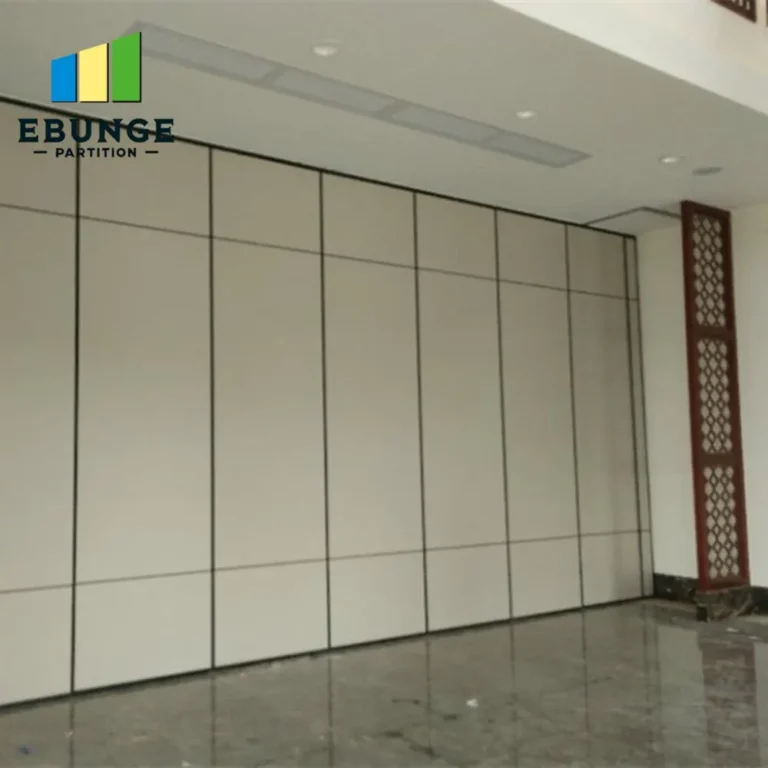
Need help turning the folding door requirements into a practical project layout?
Key Considerations for Folding Door Projects in Training Centers
Before specifying a folding door, design companies must evaluate several factors that directly impact project success. These include acoustic performance, durability, ease of operation, maintenance requirements, installation timeline, compatibility with existing design, warranty, and cost-effectiveness. Each of these elements plays a role in the overall decision-making process and should be addressed in the project specification.
Acoustic Performance: Setting Realistic Targets
Acoustic performance is often the top priority for training centers. The ability of a folding door to reduce sound transmission is measured by its Sound Transmission Class (STC) rating. However, it is essential to note that the actual acoustic performance depends on the entire wall assembly, including flanking paths, ceiling and floor connections, and adjacent structures. Design companies should work with suppliers who can provide acoustic data based on the specific configuration and installation conditions. Setting a realistic acoustic target, such as an STC of 40-45 for typical training environments, is a prudent first step.
Durability and Ease of Operation
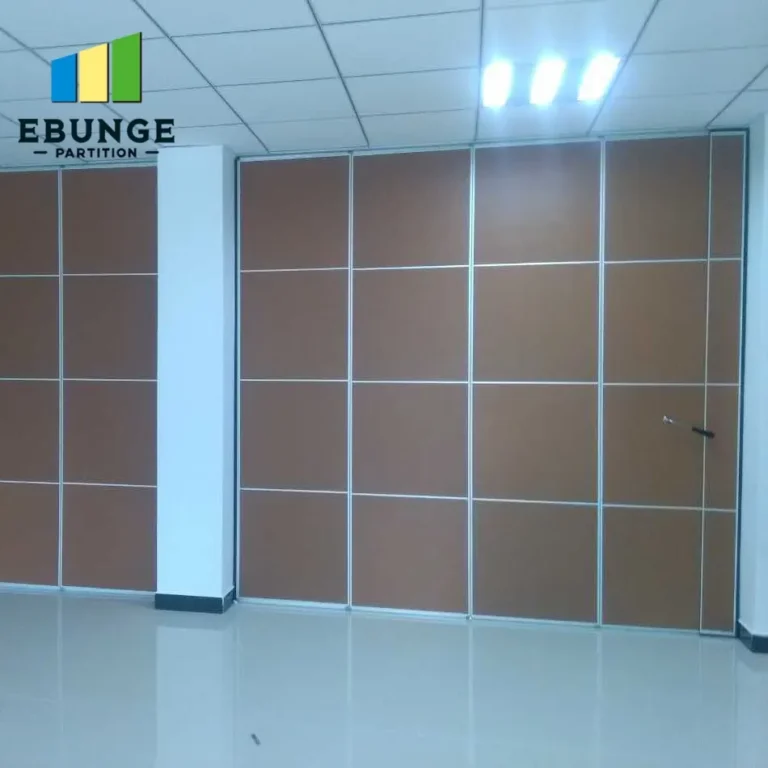
Folding doors in training centers are subject to frequent use, often multiple times a day. Therefore, durability is crucial. The track system, hinges, and seals must withstand constant operation without failure. Top-hung track systems, where the door panels are suspended from an overhead track without a floor rail, are popular because they allow for a clean, unobstructed floor surface and are easier to maintain. Ease of operation is equally important; the door should glide smoothly and require minimal effort to open or close, even for large panels. This is particularly important in training centers where staff may not be trained in complex mechanical operations.
Project Coordination: From Drawings to Installation
Successful folding door projects hinge on meticulous coordination between the design team, the supplier, and the installation crew. The supplier should provide detailed drawings that show the door system in relation to the building structure, including dimensions, clearances, and integration points. These drawings are essential for ensuring that the door fits perfectly and that all interfaces are properly sealed. Factory-direct support is invaluable, as it ensures that the design team has direct access to technical expertise and can resolve any issues promptly.
Installation Timeline and Site Readiness
The installation timeline is a critical factor in project planning. Design companies should inquire about the lead time for manufacturing and the duration of installation. Site readiness is equally important; the area where the folding door will be installed must be prepared, including proper overhead structure to support the weight of the door system. The supplier should provide clear guidance on site preparation requirements to avoid delays.
Compatibility with Existing Design and Finishes
Folding doors should complement the interior design of the training center. Suppliers offer a range of finishes, including laminate, veneer, and paint, which can be matched to the existing decor. Design companies should discuss finish preferences early in the project to ensure that the doors align with the aesthetic vision. Additionally, the door system should be compatible with other building elements, such as lighting, HVAC, and fire safety systems. For instance, the track may need to accommodate ceiling-mounted sprinklers or lighting fixtures.
Warranty, Maintenance, and Cost-Effectiveness
Understanding the warranty terms and maintenance requirements is essential for long-term satisfaction. A robust warranty, while not a substitute for quality, provides peace of mind. Maintenance requirements should be minimal, but routine checks on tracks and seals may be necessary. Cost-effectiveness goes beyond the initial purchase price; it includes operating costs, maintenance, and the door’s lifespan. Design companies should evaluate the total cost of ownership, not just the upfront cost, to make an informed decision.
Share the opening, drawings, finish direction, and privacy target for a project-specific review.
Quotation Readiness: What to Prepare Before Requesting a Quote
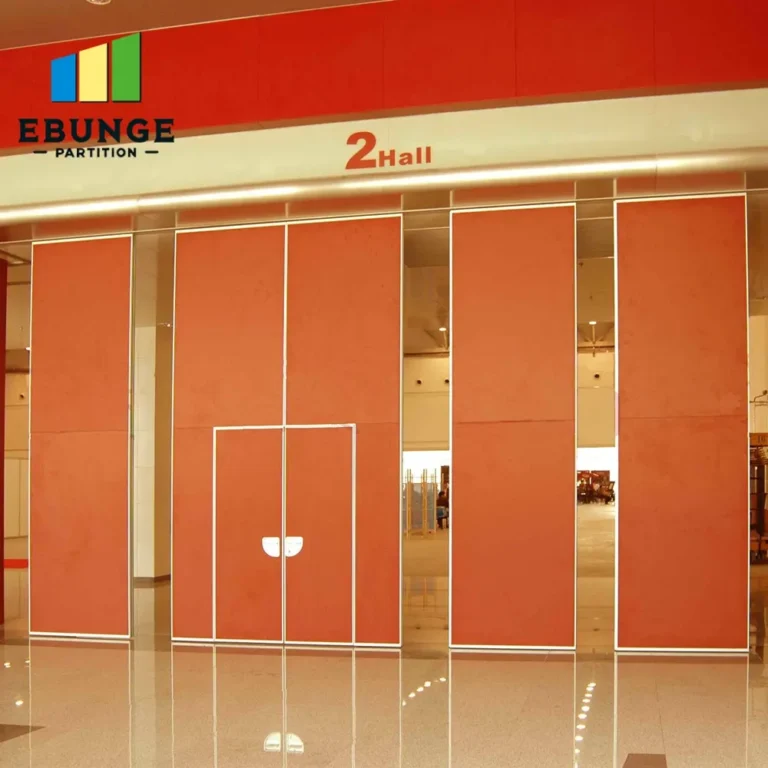
To obtain an accurate quotation, design companies should prepare specific information. This includes the opening size (width and height), the acoustic target (e.g., desired STC rating), finish preferences, and any special requirements such as pass doors or glazing. Additionally, having architectural drawings that show the installation environment will help the supplier provide a more precise estimate. Factory-direct suppliers can offer competitive pricing and tailored solutions, but they need detailed inputs to avoid surprises.
Common Pitfalls to Avoid in Folding Door Projects
Many projects encounter issues due to inadequate planning. One common pitfall is underestimating the importance of acoustic seals. The gaps around the door perimeter can significantly affect sound insulation, so high-quality seals are essential. Another pitfall is overlooking the need for a structural support system for the top-hung track. The overhead structure must be capable of bearing the door’s weight, especially for large spans. Finally, failing to coordinate with other trades can lead to conflicts with electrical, plumbing, or HVAC installations. A well-coordinated project plan mitigates these risks.
Frequently Asked Questions
1. What is the typical lead time for a custom folding door?
Lead times vary based on the complexity of the project and the supplier’s manufacturing schedule. It is best to confirm the timeline during the quotation stage, as it can range from a few weeks to several months.
2. Can a folding door be installed without a floor rail?
Yes, top-hung track systems do not require a floor rail, providing a smooth, unobstructed floor surface. This is a popular choice for training centers where floor cleanliness and safety are important.
3. How do I determine the acoustic performance needed for my training center?
The required acoustic performance depends on the activities and the desired level of privacy. An STC rating of 40-45 is often sufficient for general training environments, but higher ratings may be needed for music rooms or recording studios. Consult with an acoustic consultant or your supplier for guidance.
4. What maintenance is required for folding doors?
Regular maintenance includes checking the track and rollers for debris, lubricating moving parts, and inspecting seals for wear. The frequency depends on usage, but a quarterly inspection is a good practice.
5. Can folding doors be integrated with existing fire alarm systems?
Yes, folding doors can be integrated with fire alarm systems, but this requires careful coordination. The door system may need to be connected to the alarm to ensure it closes in case of a fire. This should be discussed with the supplier and the fire safety engineer.
6. What information should I provide to get an accurate quote?
To obtain an accurate quote, provide the opening size (width and height), the desired acoustic performance, finish preferences, and architectural drawings of the installation area. This allows the supplier to assess the requirements and provide a detailed quotation.
Practical Checklist for Folding Door Projects
Use this checklist to ensure you have covered all critical aspects:
- Define the acoustic target (e.g., STC rating) and confirm it with an acoustic consultant if needed.
- Measure the opening size accurately, including height and width, and account for any obstructions.
- Select finish preferences that match the interior design.
- Verify the structural capacity of the overhead support for the top-hung track.
- Coordinate with other trades (electrical, HVAC, fire safety) to avoid conflicts.
- Request detailed drawings from the supplier and review them thoroughly.
- Discuss installation timeline and site readiness requirements.
- Clarify warranty terms and maintenance responsibilities.
- Compare total cost of ownership, not just the initial price.
Conclusion
Specifying a folding door for a training center is a complex task that requires careful planning and coordination. By focusing on acoustic performance, durability, ease of operation, and project-specific requirements, design companies can select a solution that meets the needs of their clients. Working with a factory-direct supplier who provides detailed drawings and installation guidance can significantly reduce project risks. By preparing comprehensive information and asking the right questions, you can ensure a successful folding door project that enhances the functionality and acoustics of the training center.
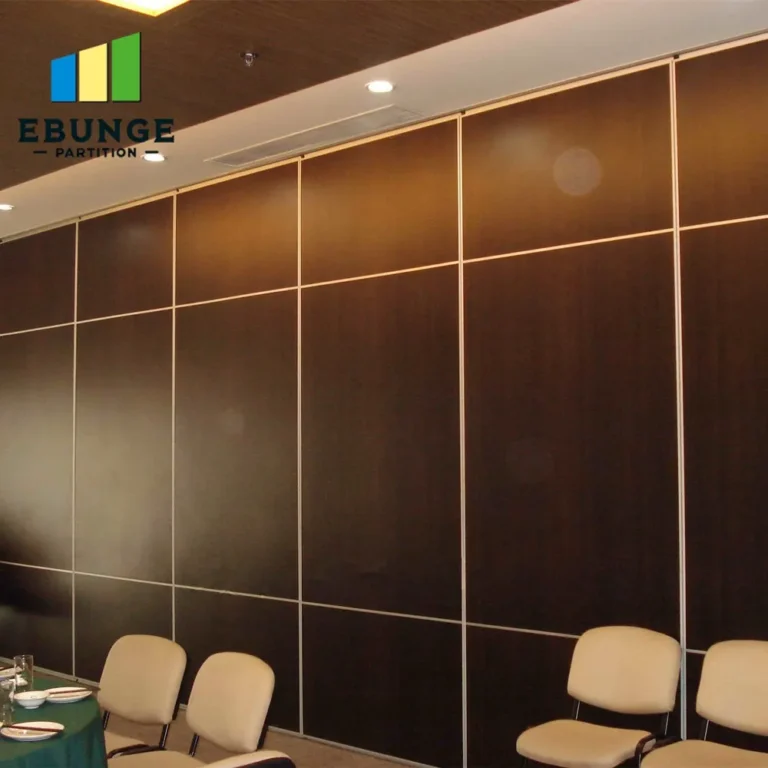
For more information on movable partition walls and installation best practices, explore our movable partition wall solutions and blog resources. If you have a specific project in mind, feel free to contact us for expert guidance. Additionally, check out our installation category for more insights.
Send the opening size and drawings to discuss a differentiated folding door solution.