
Quick project answer
Review focus: track zone handover index.
The track zone handover index final walkthrough is a documentation exercise that helps project teams confirm what has been installed, what has been reviewed and what still requires project-specific confirmation. For top-hung movable partitions, the overhead track zone is the critical interface between structure, panel movement and daily operation. Visible references can support layout discussion but do not verify hidden construction or performance.
This guide is written for overseas contractors, architects, interior designers, owners, renovation companies and construction teams who need a repeatable way to assemble that index. It stays within confirmed product facts and avoids unsupported performance, engineering or commercial conclusions. Every project still requires its own support, acoustic and dimensional review.
What the Track Zone Handover Index Is and Is Not
Project review term: track zone handover index.
The index is a structured list of track zone items, each linked to a drawing, a visible condition or a responsible party. It is not a performance certificate. The suitability of each route and parking arrangement depends on the approved layout, circulation, ceiling interfaces and operating sequence. It simply organizes the evidence that a final walkthrough can reasonably check.
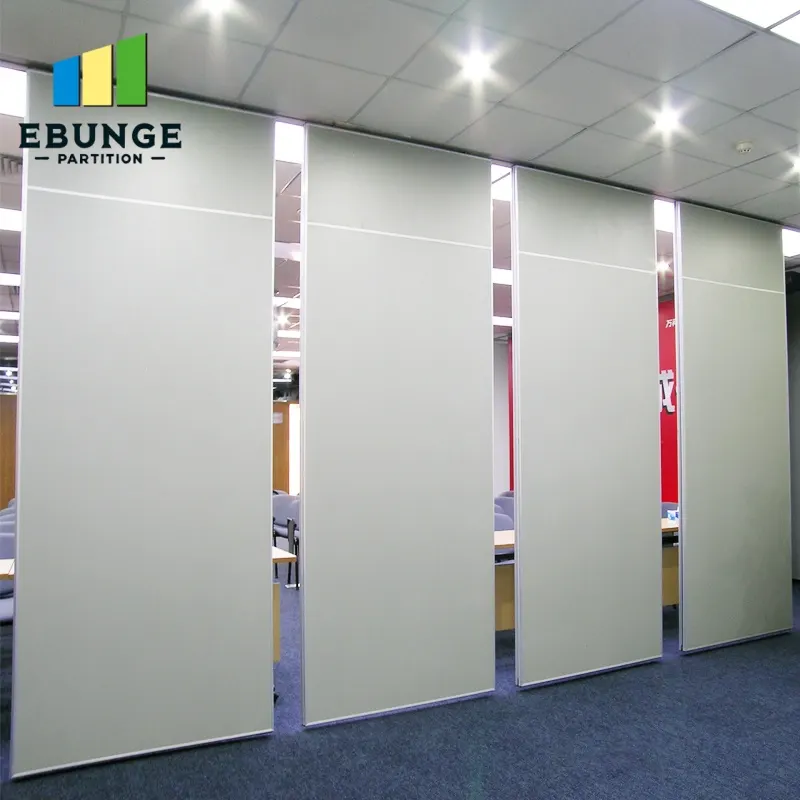
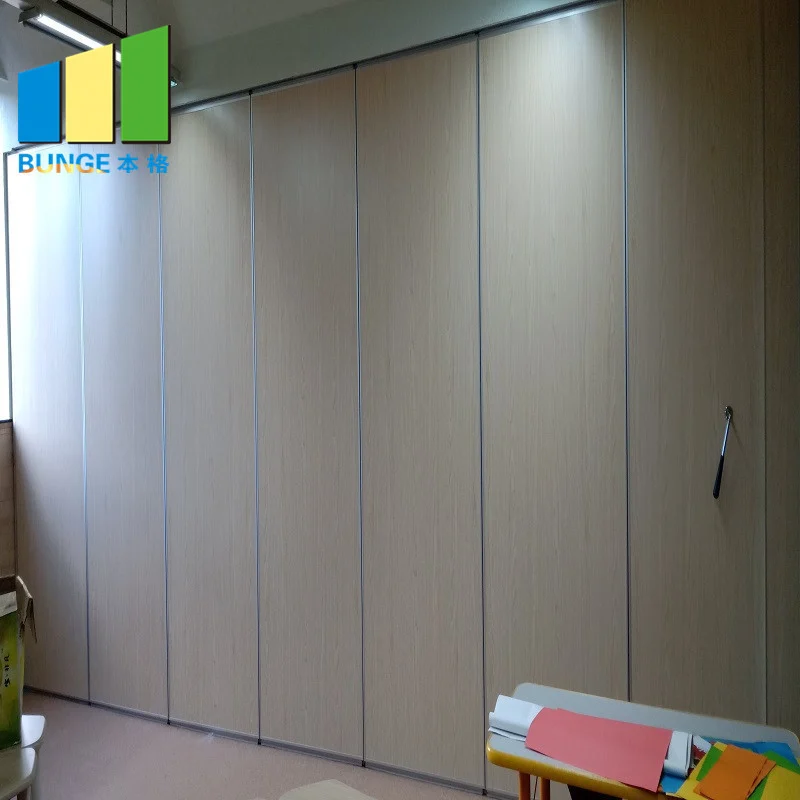
For EBUNGE movable partitions, panels are individually movable, suspended from a top track, cross the opening without a floor track and park at a planned stacking position. The index should reflect those maintained facts without inferring hidden performance from a photograph or finish sample.
Evidence boundaries to state up front
Comparative or absolute statements require matching evidence. If evidence is not available, record the item as an open confirmation rather than a conclusion.
Step-by-Step Assembly Process
Coordination scope: track zone handover index.
A numbered process keeps the index consistent across trades and review rounds. The steps below are generic and should be adapted to the project’s own documentation standards.
- Collect approved layout drawings. Gather the latest coordinated drawings showing straight, turning and stacking routes. Confirm that every proposed movement path has a continuous connected overhead route and that support conditions are reviewed by the responsible engineer.
- List each track zone segment. Break the overhead route into reviewable segments, such as straight runs, turning sections and parking areas. Give each segment a unique reference.
- Record visible conditions. For each segment, note what can be seen at the time of review, such as track alignment, fixing locations and adjacent finishes. Do not infer hidden capacity or performance.
- Link finishes and interfaces. Note confirmed finish options where relevant, including laminate, melamine, fabric, leather, glass and other approved surfaces. Record adjacent wall, ceiling and floor interfaces as separate items.
- Add pass-door and access notes. Where pass-door requirements exist, record them as discussion items with the project team. Do not assume a configuration without confirmation.
- Assign open items. Every unresolved question should have an owner, a required confirmation and a target review point before the final walkthrough.
Checklist for the Final Walkthrough
Checklist focus: track zone handover index.
Use a short checklist to keep the walkthrough focused. The checklist below is a decision aid, not a substitute for project-specific engineering or acoustic review.
- Is the latest approved layout drawing available and referenced in the index?
- Are straight, turning and stacking routes clearly identified?
- Is the overhead route continuous and connected for every proposed movement path?
- Are support and fixing conditions confirmed by the responsible project party?
- Are finish selections recorded against the correct panel or zone?
- Are pass-door requirements documented as confirmed or open?
- Are acoustic and dimensional requirements listed as project-specific confirmations?
- Are open items assigned to named owners with review dates?
Documentation and Coordination Across Trades
Contractors, architects, designers and owners may each hold part of the evidence. The index should show where each piece of evidence sits and who is responsible for confirming it.
Keep the language factual. Instead of stating a service life, record that durability requirements are subject to project-specific review.
Using the index during review meetings
During review meetings, walk through the index segment by segment. Ask whether the drawing, the visible condition and the open item list agree. If they do not, record the difference rather than resolving it verbally. The final walkthrough then becomes a confirmation of documented items, not a first-time discovery exercise.
Common Gaps That Delay Handover
Several gaps appear repeatedly in track zone documentation. Recognizing them early can reduce last-minute confusion.

| Gap | Why it matters | Practical response |
|---|---|---|
| Missing route drawing | Straight, turning and stacking routes cannot be reviewed consistently | Request the latest coordinated layout before the walkthrough |
| Unclear support responsibility | Overhead support review may fall between trades | Name the responsible party and record the confirmation |
| Finish references not linked | Panel and zone records become ambiguous | Link each confirmed finish option to its zone reference |
| Open items without owners | Unresolved questions carry into handover | Assign an owner and a review date for each item |
These gaps are documentation issues, not performance conclusions. Resolving them helps the project team prepare for the final walkthrough with clearer evidence.
Acoustic and Dimensional Notes Without Overclaiming
Where acoustic requirements apply, the project team should confirm them against the specific specification, assembly and test evidence available for that project.
Dimensional requirements also require project-specific confirmation. Opening width, height, parking space and turning geometry all depend on the coordinated design. The index should record these as review items rather than assumed values.
Frequently Asked Questions
What is a track zone handover index?
It is a structured record of track zone items, drawings, visible conditions and open confirmations used to prepare for a final walkthrough. It organizes evidence but does not certify performance.
Does the index prove acoustic performance?
No. The index can record that acoustic requirements are to be confirmed, but it should not present an unverified rating as a conclusion.
Why are straight, turning and stacking routes included?
Because movable partitions travel along a planned overhead route. Reviewing these routes helps the team confirm that every proposed movement path has a continuous connected overhead route and that support conditions are reviewed.
Can the index include finish options?
Yes. Confirmed finish options include laminate, melamine, fabric, leather, glass and other approved surfaces. The index should link each finish to the correct zone or panel reference without inferring performance from the finish alone.
How should pass-door requirements be handled?
Record pass-door requirements as discussion items with the project team. They can be reviewed and documented, but they should not be assumed without confirmation.
Who should own open items before the final walkthrough?
Each open item should have a named owner, a required confirmation and a review date.
Conclusion and Next Steps
Assembling a track zone handover index before the final walkthrough is a practical way to organize evidence, coordinate trades and keep project-specific confirmations visible.
To review movable wall options or discuss project documentation, visit the movable walls product page, explore the resources section or contact the team to discuss your project requirements.