
Quick answer: track zone handover file final
Review focus: track zone handover file final.
Final sign-off on a movable partition installation often stalls because the track zone handover file final sign-off evidence is incomplete, not because the panels are visibly wrong. A reviewer can see panels parked at a stacking position, but cannot see whether the overhead route was coordinated, whether support was reviewed, or whether the finish schedule matches what was approved. This guide sets out what the file should prove, and where project-specific confirmation is still required.
Why the Track Zone Drives the Handover File
Project review term: track zone handover file final.
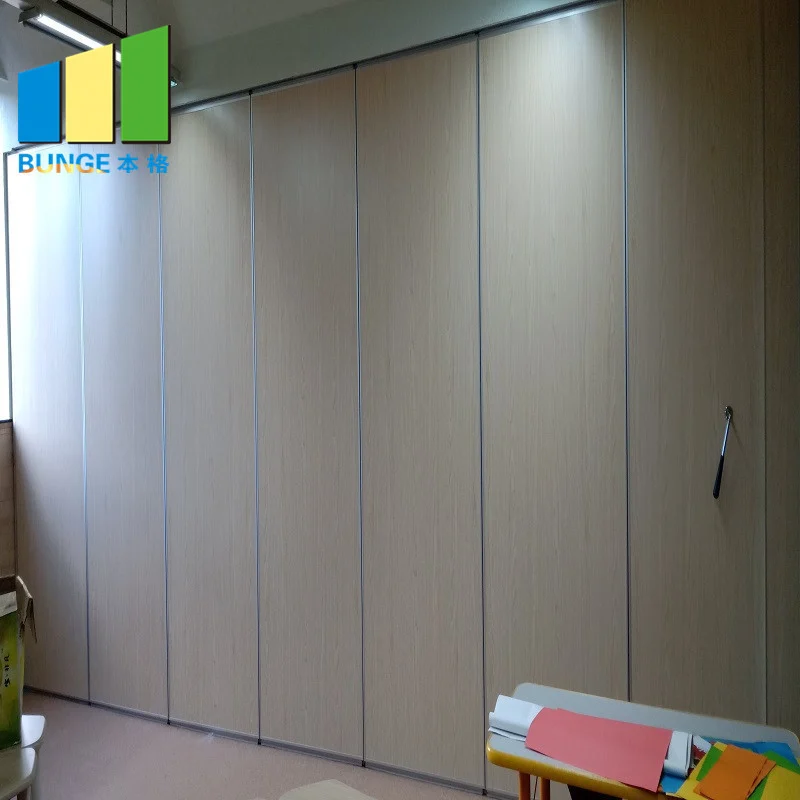
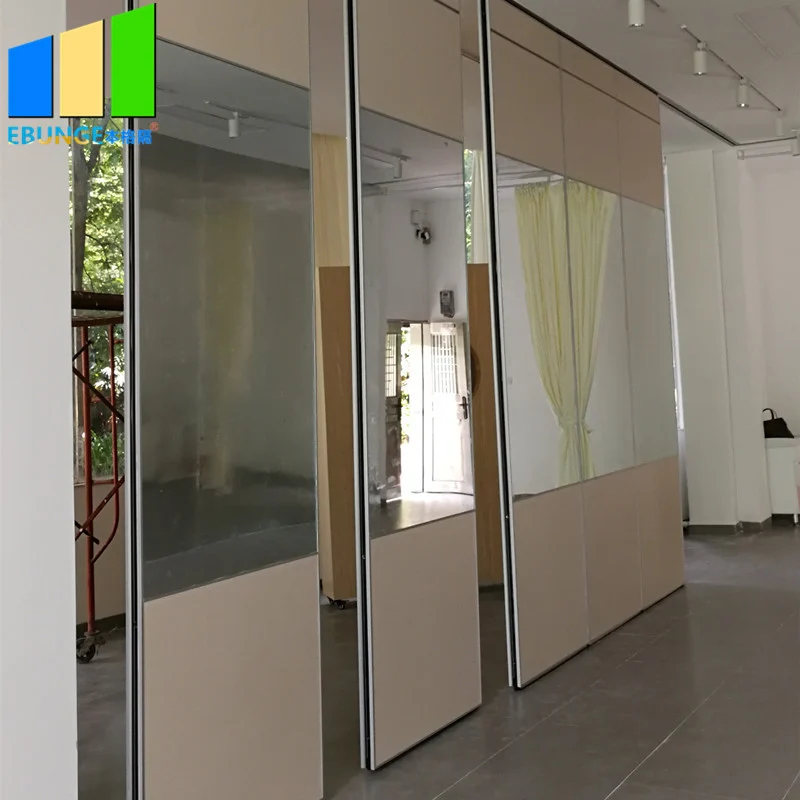
EBUNGE movable wall panels are individually movable, suspended from a top track, cross the opening without a floor track, and park at a planned stacking position. Because the panels hang from above, the track zone is the part of the installation that carries the movement logic of the whole system. The handover file therefore has to describe the route, not just the panels.
Straight, turning and stacking routes are reviewed from the layout. That review is a drawing exercise before it is a site exercise. If the file does not show the reviewed route, the reviewer has no basis for accepting that the installed track zone matches the design intent.
What the File Must Prove About Route Continuity
Coordination scope: track zone handover file final.
The single most important proof is that every proposed movement path follows a continuous connected overhead route. The exact route, junction arrangement, continuous overhead path and parking position must be confirmed from the coordinated project drawings. Where the layout shows a turn, a junction, or a change of direction, the file should show how the overhead route remains connected through that transition.
This is not a performance claim. It is a geometry and coordination claim. The file should let a reviewer trace the path from the closed position, through any turning point, to the planned stacking position without guessing.
Evidence note: what a route drawing can and cannot show
A route drawing can show intended continuity, turning locations, and the planned stacking position. It cannot prove structural capacity, acoustic performance, or site tolerance outcomes. Those require separate project-specific review.
Support Review and the Limits of Visible Evidence
Checklist focus: track zone handover file final.

Top-hung panels transfer load to the supporting structure above. The handover file should record that the support condition was reviewed for the project, but it should not present a generic statement as if it were a project result. Support requirements vary with the structure, the layout, and the coordination decisions made by the project team.
Reviewers should be able to see which drawings were used for the support review and which open items remain. If the support review is still pending, the file should say so rather than imply completion.
Checklist: items to confirm before sign-off
- Reviewed layout showing straight, turning, and stacking routes.
- Continuous connected overhead route confirmed for every movement path.
- Planned stacking position identified and coordinated with adjacent trades.
- Support review status recorded, including any open items.
- Finish schedule matched to approved samples or specifications.
- Pass-door requirements discussed and documented where applicable.
- Project-specific acoustic and dimensional requirements confirmed.
Finish Records and Specification Traceability
Review focus: track zone handover file final.
Confirmed finish options include laminate, melamine, fabric, leather, glass and other approved surfaces. The handover file should connect each installed finish to the approved specification. A finish name alone is weak evidence if it cannot be traced to a sample, a schedule line, or a written approval.
Finish records also protect the project team later. If a question arises about a surface, the file should show what was approved, not what someone remembers being discussed.
Compact comparison: weak versus strong handover evidence
| Item | Weak evidence | Strong evidence |
|---|---|---|
| Route | Verbal description | Reviewed layout with marked routes |
| Support | Assumed from structure type | Recorded review status and open items |
| Finish | Generic finish name | Schedule line linked to approval |
| Acoustic | Single number quoted out of context | Project-specific requirement confirmed |
Acoustic Documentation Without Overclaiming
Project review term: track zone handover file final.
The suitability of each route and parking arrangement depends on the approved layout, circulation, ceiling interfaces and operating sequence.
Pass-Door Requirements and Project Documentation
Pass-door requirements and project documentation can be discussed as part of the handover package. Where a pass door is part of the layout, the file should show its position, its relationship to the track zone, and how it was coordinated with the panel route.
Documentation should also include the drawing set used for installation, any approved changes, and the contact path for unresolved items. This is coordination evidence, not a performance guarantee.
Frequently Asked Questions
What is the minimum evidence for a track zone handover file?
At minimum, the file should include the reviewed layout showing straight, turning, and stacking routes, confirmation of a continuous connected overhead route, the planned stacking position, and the support review status. Finish records and any pass-door documentation should also be included where applicable.
Can a handover file prove acoustic performance?
No. A handover file can record that a project-specific acoustic requirement was confirmed and point to the relevant documentation.
How should turning routes be documented?
Provide the current layout, opening dimensions, ceiling information, intended room use, and relevant project drawings for review. The exact overhead route and support arrangement must be confirmed by the responsible project team from coordinated drawings.
What if the support review is not complete at handover?
The file should record the support review status honestly, including any open items. Final sign-off may need to be staged or conditioned on those items being closed through the project-specific review process.
Do finish records need to include every panel?
Finish records should be traceable to the approved specification. Whether that means a schedule line, a sample reference, or a room-by-room list depends on the project. The key is that each installed finish can be connected to an approval.
Where can project teams get help with documentation requirements?
Project teams can review the movable walls product page and the resources section for general context, then contact EBUNGE to discuss pass-door requirements and project documentation.
Conclusion: Sign-Off Is an Evidence Decision
A track zone handover file is not a marketing document. It is a coordination record. It should prove that the route was reviewed, that the support condition was addressed, that finishes are traceable, and that acoustic and dimensional requirements were confirmed for the project. Where evidence is missing, the file should say so rather than fill the gap with assumptions.
Before final sign-off, confirm project-specific support, acoustic, and dimensional requirements with the responsible parties. For documentation coordination and pass-door discussions, contact EBUNGE.