
Quick answer: track zone handover file concealed
Review focus: track zone handover file concealed.
A track zone handover file concealed interface evidence pack is not a marketing document. It is a reviewable record that helps the project team understand what was built, what remains concealed, and which items still require project-specific confirmation. For movable partitions, the track zone is where the overhead route, support condition and panel interface meet. Because much of that zone may be closed by finishes, the handover file must separate visible evidence from assumptions. This article explains what the file can reasonably prove, where its limits sit, and how contractors, architects and owners can coordinate a clearer review.
Why the Track Zone Deserves Its Own Handover Section
Project review term: track zone handover file concealed.
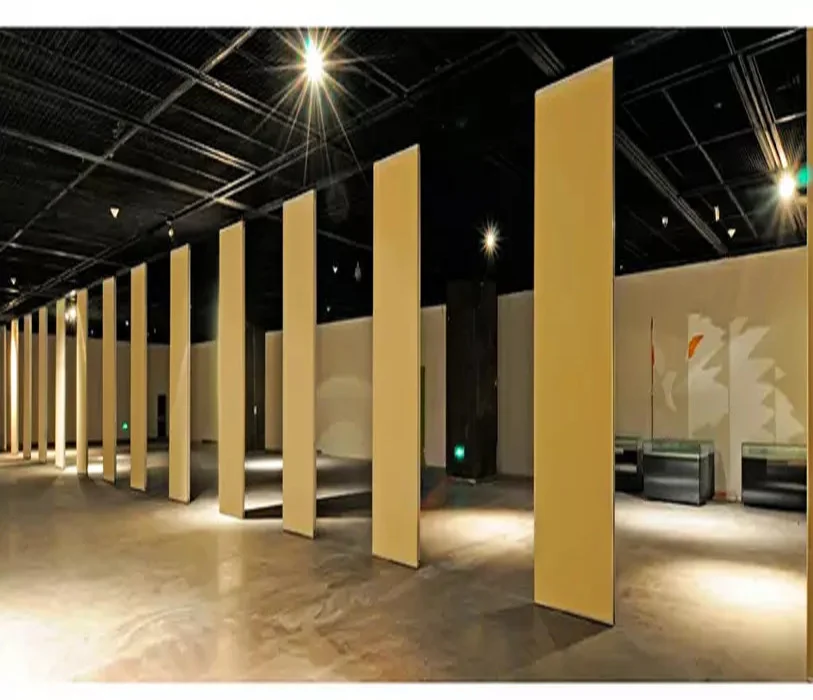
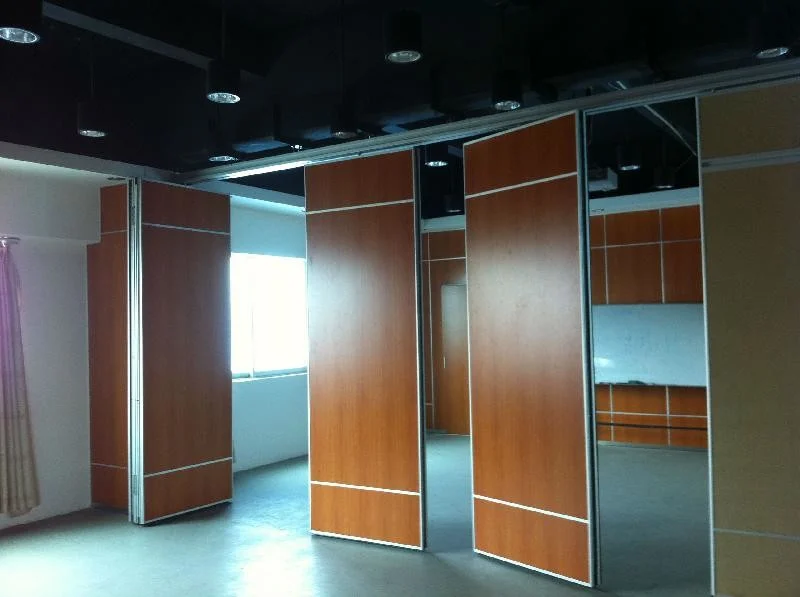
Movable wall panels are individually movable, suspended from a top track, and cross the opening without a floor track. They park at a planned stacking position. That simple description hides a coordination-heavy zone above the finished ceiling line. The suitability of each route and parking arrangement depends on the approved layout, circulation, ceiling interfaces and operating sequence.
Once ceilings, bulkheads or cladding close that zone, later inspection becomes difficult. A handover file should therefore treat the track zone as a defined evidence area rather than a generic installation note. Visible references can support layout discussion but do not verify hidden construction or performance. The goal is to show that the concealed interfaces were reviewed, recorded and linked to the project drawings.
What the File Can Prove and What It Cannot
Coordination scope: track zone handover file concealed.
A handover file can prove that certain checks were carried out, that specified documents were issued, and that visible conditions matched the reviewed drawings at the time of inspection. It can record the location of the track zone, the route reviewed, and the parking position agreed for the layout.
Those claims require matching project-specific evidence. If the file contains a performance statement, the reviewer should be able to trace it to a test report, calculation or approval that applies to that exact configuration.
Evidence note: separate observation from conclusion
An observation states what was seen or recorded. A conclusion states what that observation means for performance or compliance. A useful handover file keeps the two separate and identifies who confirmed each conclusion.
A Practical Checklist for Concealed Interface Evidence
Checklist focus: track zone handover file concealed.
Use this checklist to test whether the track zone section is complete enough for review. It is a coordination tool, not a substitute for project-specific engineering or acoustic confirmation.

- Is the track zone location clearly identified on the reviewed layout drawing?
- Does the file show the overhead route reviewed for straight, turning and stacking movements?
- Are the support and fixing conditions recorded as project-specific items requiring confirmation?
- Are concealed interfaces listed with the responsible party for each check?
- Are visible conditions documented before finishes closed the zone?
- Are open items, assumptions and exclusions stated rather than implied?
- Is the parking position consistent with the coordinated layout and stacking plan?
- Are pass-door requirements and project documentation items referenced where relevant?
Drawing Review: The Route Must Be Continuous and Connected
Review focus: track zone handover file concealed.
The layout review should confirm that every proposed movement path follows a continuous connected overhead route. The exact route, junction arrangement, continuous overhead path and parking position must be confirmed from the coordinated project drawings.
Where the route passes through a concealed zone, the handover file should reference the drawing that shows the reviewed condition. If the drawing is marked preliminary, the file should say so. A preliminary drawing is not evidence of a final coordinated route.
Numbered process for reviewing concealed interfaces
- Collect the latest reviewed layout, track zone details and interface drawings.
- Mark each concealed interface and note whether it is visible, partially visible or fully closed.
- Compare the recorded condition against the reviewed drawing and list any difference.
- Identify which items require project-specific support, acoustic or dimensional confirmation.
- Record open items with an owner and a required action before final sign-off.
- Issue the file as a controlled document so later changes can be traced.
Finish, Interface and Documentation Boundaries
Project review term: track zone handover file concealed.
Confirmed finish options include laminate, melamine, fabric, leather, glass and other approved surfaces. The handover file should treat finishes as visible selections and keep performance claims tied to separate project evidence.
Similarly, a generic application example does not prove that a particular venue, room type or opening has been completed. Named venues are examples only. Movable partitions can be considered wherever flexible spatial division, combination or reconfiguration is required, but each project still needs its own dimensional, support and acoustic review.
Compact comparison: what to record versus what to confirm
| Item | Can be recorded in the file | Requires project-specific confirmation |
|---|---|---|
| Track zone location | Drawing reference and marked area | Final coordinated route and support condition |
| Concealed interface | Observation before closure | Whether the condition meets project requirements |
| Finish selection | Approved surface name | Cleaning, acoustic or structural implications |
| Parking position | Planned stacking location | Fit with layout, route and adjacent interfaces |
Acoustic Concepts and the Limits of Handover Evidence
Coordination scope: track zone handover file concealed.
The handover file can record that acoustic documentation was issued and reviewed. It should not imply that a concealed interface automatically achieves a stated rating. Seals, joints and junctions are common weak points in any partition system, and their treatment requires project-specific review.
Common Coordination Gaps That Weaken the File
One common gap is a file that shows the finished ceiling but not the track zone beneath it. Another is a drawing set that mixes preliminary and approved revisions without clear status. A third is a checklist that records installation activity but not the interface conditions that were closed.
To reduce these gaps, keep the track zone evidence separate from general progress records. Link each concealed interface to a drawing, a photograph taken before closure, and a named reviewer. Where information is missing, state the gap openly rather than filling it with an assumption.
Frequently Asked Questions
What is a track zone handover file?
It is a controlled record covering the overhead zone where the movable partition track, support condition and panel interface meet. It documents reviewed drawings, visible conditions and open items for project-specific confirmation.
Can the handover file prove acoustic performance?
No. It can record that acoustic documentation was issued and reviewed, but the performance claim must come from evidence that applies to the exact project configuration.
Why are concealed interfaces difficult to review?
Once ceilings or finishes close the zone, direct inspection is limited. The file should rely on pre-closure records and clearly state what remains unverified.
Does every movement route need a continuous overhead track?
Yes. Straight, turning and stacking routes should be reviewed together from the layout, with project-specific support confirmation.
How should finishes be treated in the file?
Record the approved finish as a visible selection.
When should the project team involve EBUNGE?
Involve EBUNGE early when track zone details, pass-door requirements or project documentation need coordination. Confirm project-specific support, acoustic and dimensional requirements before finalizing the file.
Conclusion: Evidence Boundaries Make Better Handovers
The exact overhead route and support arrangement must be confirmed by the responsible project team from coordinated drawings. It identifies the concealed interfaces, links them to reviewed drawings, records visible conditions before closure, and lists the items that still need project-specific confirmation. That discipline protects contractors, designers and owners from relying on assumptions after the zone is closed.
For movable partition projects, review the layout for straight, turning and stacking routes, confirm the parking position, and keep finish selections separate from performance claims. Where pass-door requirements or documentation coordination are involved, raise them before handover rather than after.
To discuss project documentation, track zone coordination or movable wall requirements, contact EBUNGE. You can also review the movable walls product page and the resources section for further planning context.