
Quick answer: track zone cleaning
Review focus: track zone cleaning.
For project teams, track zone cleaning inspection rota room usage should be reviewed against the opening, ceiling interface, operating sequence and approved finish requirements. Building a track zone cleaning inspection rota from room usage is a facility operations planning task, not a generic cleaning schedule. For top-hung movable partition systems, the overhead track, trolleys, panel edges and parking area all sit inside the room’s daily rhythm. The rota should follow how each room is actually used, how often panels move, and where they park. This article offers an evidence-bounded framework. It does not replace project-specific support, acoustic or dimensional confirmation from the responsible design team.
Start With Room Usage, Not a Blank Template
Project review term: track zone cleaning.
Room usage drives the rota. A training room that reconfigures twice a day creates different track zone attention than a hall that opens once a month. Begin by listing each room, its typical occupancy pattern, and the movement frequency of its movable wall panels. The goal is to match inspection and cleaning effort to visible use, not to assume hidden performance.
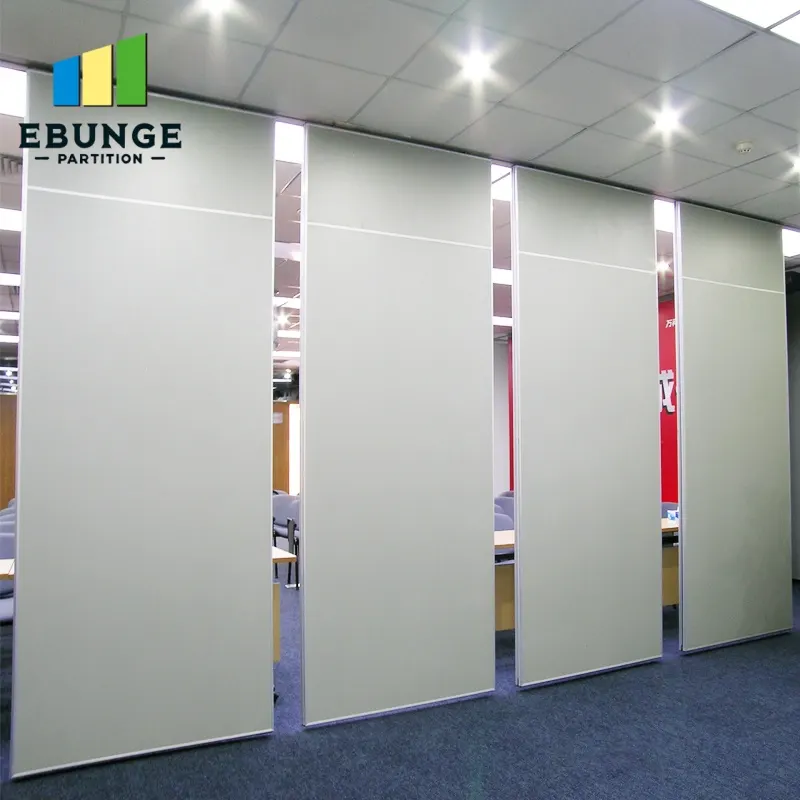
Because EBUNGE panels are individually movable and suspended from a top track, they cross the opening without a floor track. That means the track zone is overhead and the floor line stays clear. The rota should therefore focus on the overhead route, the panel faces, the panel edges and the planned stacking position.
Questions to ask before drafting the rota
- Which rooms use movable partitions daily, weekly or occasionally?
- Where does each panel set park when the room is open?
- Who currently reports a panel that does not move smoothly?
- Which routes are straight, turning or stacking routes?
- What documentation does the project team already hold?
Map the Track Zone From the Layout
Coordination scope: track zone cleaning.
The track zone is not a single line. The exact route, junction arrangement, continuous overhead path and parking position must be confirmed from the coordinated project drawings. Review the approved layout to identify each segment. If the layout shows a gap or an unclear junction, that is a design query, not a cleaning task.
Once the route is mapped, assign a zone code to each segment. Zone codes let the rota refer to a specific part of the track without ambiguity. They also help contractors, architects and facility teams discuss the same area during handover.
Simple zone coding example
| Zone code | Route type | Typical rota focus |
|---|---|---|
| TZ-01 | Straight run | Visible track surface and panel travel path |
| TZ-02 | Turning route | Junction area and panel alignment |
| TZ-03 | Stacking route | Parking position and panel edge condition |
This table is a planning aid, not a performance statement. The actual number of zones and their boundaries must come from the project layout.
Build the Rota Around Usage Frequency
Checklist focus: track zone cleaning.
A rota works when it is realistic. If a room is used once a week, a daily inspection may be unnecessary. If a room reconfigures every morning, a brief visual check before first use is more useful. Set frequency bands from observed usage, then confirm them with the facility owner or operator.
Keep the rota visible and simple. The suitability of each route and parking arrangement depends on the approved layout, circulation, ceiling interfaces and operating sequence. Include the zone codes, the inspection point, and the person responsible for reporting an issue.
Numbered process for drafting the rota
- List every room with a movable partition and note its usage pattern.
- Mark the straight, turning and stacking routes on the approved layout.
- Assign zone codes to each route segment.
- Set inspection frequency from usage, not from habit.
- Record who checks, who reports and who escalates.
- Review the rota after any change in room use or layout.
What to Inspect and What to Record
Inspection should stay within visible evidence. Check that panels move along the intended route, that the parking position is clear, and that no obvious obstruction sits in the track zone. Record the date, zone code, observation and action taken. Visible references can support layout discussion but do not verify hidden construction or performance.
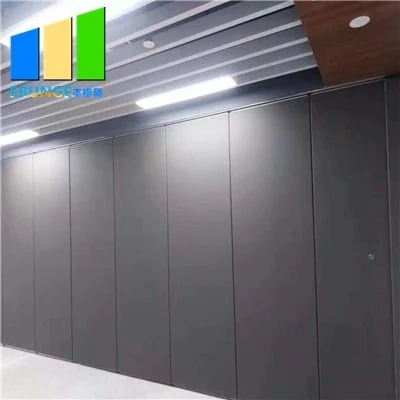
Cleaning should follow the approved finish. Confirmed finish options include laminate, melamine, fabric, leather, glass and other approved surfaces. Each surface may need a different approach, so confirm cleaning compatibility with the finish supplier or project documentation before writing a method into the rota.
Evidence note
Visible condition is not proof of hidden performance. A clean track zone does not confirm acoustic, structural or fire performance. Those require project-specific documentation and matching evidence.
Coordinate Across Project Teams
Track zone cleaning and inspection touches several roles. Contractors need to know what is being checked. Architects and interior designers need to confirm that the rota does not conflict with the specified finish. Owners and renovation teams need a clear escalation path. Distributors and construction teams need the same zone codes.
Use the project documentation as the shared reference. Pass-door requirements and project documentation can be discussed with the supplier so that the rota does not assume a door position or access route that is not confirmed. If the rota requires a change to the layout, raise it as a design query.
Coordination checklist
- Confirm the approved layout and route types.
- Confirm finish types for each panel face.
- Confirm who receives inspection reports.
- Confirm the escalation contact for movement issues.
Review and Update the Rota
A rota is a living document. Room usage changes, layouts are adjusted, and finishes are updated. Review the rota at least when a room’s function changes or when a new movable partition is added. Keep the zone codes consistent so that historical records remain useful.
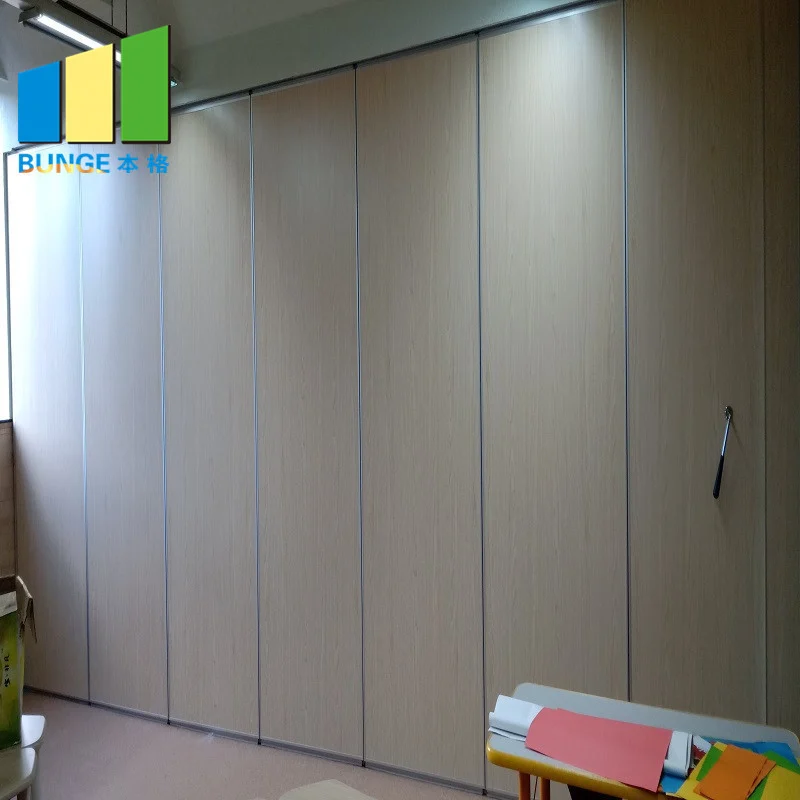
If a panel does not move as expected, stop and report it. Do not force movement or assume the cause. The responsible technical team should review the route, support and panel condition against the project documentation.
Frequently Asked Questions
What is a track zone cleaning inspection rota?
It is a scheduled plan that assigns cleaning and visual inspection tasks to specific segments of a movable partition track route, based on how each room is used.
Does every room need the same rota frequency?
No. Frequency should follow actual room usage and movement frequency. A room that reconfigures daily may need more frequent checks than one used occasionally.
Can I clean the track zone without special tools?
Cleaning methods depend on the approved finish and the project documentation. Confirm the correct approach with the finish supplier or project team before writing it into the rota.
What should I do if a panel does not move smoothly?
Stop, record the observation, and report it through the agreed escalation path. Do not force movement or assume the cause without a technical review.
Does a clean track zone prove acoustic performance?
No.
Who should approve the final rota?
The facility owner or operator should approve the rota, with input from the contractor and design team. The exact overhead route and support arrangement must be confirmed by the responsible project team from coordinated drawings.
Conclusion and Next Step
Start with the layout, map the straight, turning and stacking routes, assign zone codes, and set frequency from actual use. Keep every claim within visible evidence and confirm project-specific support, acoustic and dimensional requirements with the responsible team.
To discuss movable wall options, finish choices or project documentation for your next flexible-space project, contact EBUNGE. You can also review movable walls and browse the resources for further planning context.