
When a Room’s Booking Pattern Shifts, How Should Track Servicing Move?
Quick project answer
A room rarely keeps the same diary forever. A space used for occasional seminars may become a daily training room, or a hotel ballroom may start splitting into smaller hire areas several times a week. When that happens, the track servicing plan booking pattern shift review should begin before the new pattern becomes routine, because the way panels travel, park and return is tied to the layout that was originally coordinated.
This article offers a planning framework for contractors, architects, designers, owners and facility teams. The suitability of each route and parking arrangement depends on the approved layout, circulation, ceiling interfaces and operating sequence. Every recommendation below should be checked against the actual system and the confirmed project documentation.
Why a Booking Pattern Shift Changes the Servicing Conversation
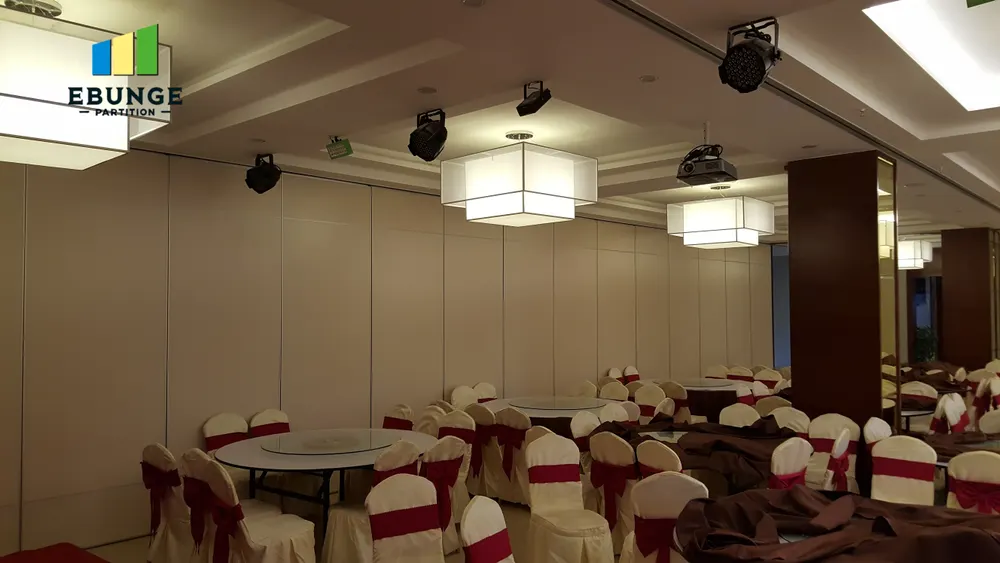
EBUNGE movable wall panels are individually movable and suspended from a top track. They cross the opening without a floor track and park at a planned stacking position. That arrangement keeps the floor clear, but it also means the overhead route and the parking zone carry the operational story of the room.
When bookings change, three things usually change with them: how often the wall is reconfigured, which direction panels travel most, and how long panels remain parked. None of these can be judged from a photograph or a finish sample. They come from the layout, the room schedule and the way staff actually use the space.
What the product facts do and do not tell you
Confirmed facts cover individual panel movement, top-hung suspension, clear-floor travel and planned parking. They do not tell you the appropriate servicing interval for your room, the load on any support, or the acoustic outcome in your building. Those are project-specific matters requiring drawing review and confirmation.
Start With the Route, Not the Calendar
Straight, turning and stacking routes are reviewed from the layout. A booking shift may introduce a route that was drawn but rarely used, or increase traffic on a turning section that was previously incidental.
Walk the route with the current layout in hand and note where panels are turned, where they wait, and where they are stacked. If the new booking pattern requires a movement path that is not shown on the coordinated drawings, stop and raise it for review rather than improvising.
Route review points
- Does every proposed movement path follow a continuous connected overhead route?
- Is the planned stacking position still reachable under the new pattern?
- Have any obstructions appeared since installation, such as new services or fixtures?
- Are pass-door requirements still met for the way the room is now divided?
Re-examine the Parking Position
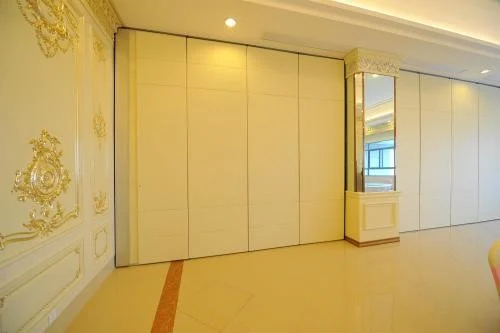
Parking style is customized to the customer layout and project requirements, and compact stacking may be possible when the coordinated design permits it. A booking shift can expose a parking position that no longer suits the room: it may sit where new furniture is placed, or it may be used far more often than before.
Changing a parking position is a layout decision, not a housekeeping decision. It should be reviewed against the drawings and confirmed before panels are moved to a new resting place.
Evidence note
Visible finishes, panel shapes and photographs do not demonstrate acoustic performance, structural capacity, durability or maintenance needs. Treat them as appearance information only, and confirm technical questions through project documentation.
Build a Servicing Plan Around Observed Use
A servicing plan is stronger when it records what the room actually does. Rather than assuming a fixed interval, describe the new booking pattern, the routes it uses and the parking position involved, then ask the responsible technical party to confirm what checks apply.
- Record the new booking pattern in plain terms: frequency of reconfiguration and typical room divisions.
- Map the routes that pattern uses, including turning and stacking sections.
- Note the parking position and whether it remains suitable.
- List any changes to the room since installation.
- Submit the record for project-specific review and confirmation.
- Update the plan only after that confirmation is received.
Coordinate Across the Project Team
A short written record prevents assumptions from becoming instructions.
Contractors and distributors can help by keeping the as-built layout and route information accessible. Architects and interior designers can flag where a new furniture layout or partition arrangement affects the movement path. Owners and renovation teams should treat any proposed change to routes or parking as a design change requiring review.
Compact comparison: what changes and who confirms
| Change | Planning question | Confirmation needed |
|---|---|---|
| More frequent reconfiguration | Which routes carry the new traffic? | Project-specific servicing review |
| New room divisions | Are pass-door and access needs still met? | Layout and drawing review |
| Different parking location | Is the stacking position still coordinated? | Design confirmation before moving panels |
| Acoustic expectations | What does the project require? | Project-specific acoustic confirmation |
Keep Acoustic Language Honest
Booking changes often come with new acoustic expectations, especially where a room is divided more often. What matters is the confirmed requirement for your project and how the specified system is documented against it.
Ask for the project-specific acoustic documentation and confirm dimensional requirements at the same time.
Document the Shift Before It Becomes Routine
The most useful moment to review a track servicing plan is while the new pattern is still new. Record the routes, the parking position, the room divisions and any changed expectations, then route that record to the parties who can confirm it.
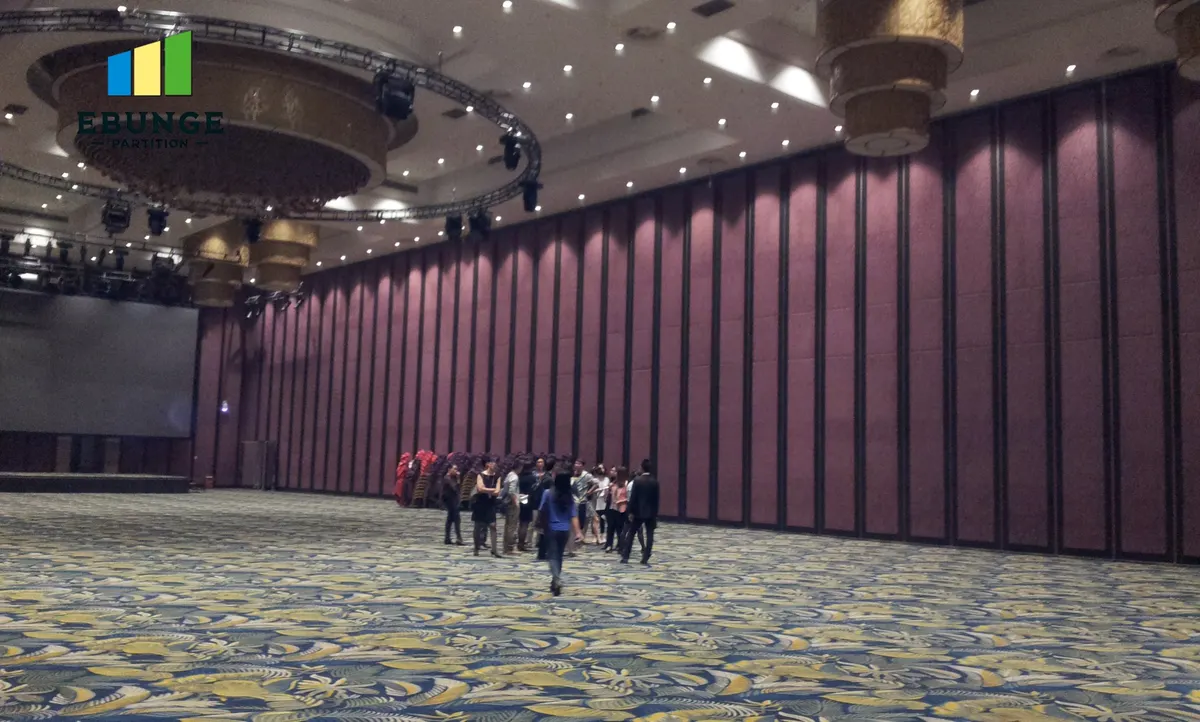
For product context, see the movable walls range. For general planning material, visit the resources section. When your team is ready to discuss pass-door requirements, layout routes or project documentation, contact EBUNGE with the drawings and the revised booking pattern.
Frequently Asked Questions
Does a busier booking pattern automatically mean more track servicing?
Not automatically. Frequency of use is one input, but the appropriate checks depend on the layout, routes and the confirmed instructions for the installation. Ask the responsible technical party to review the revised pattern.
Can panels be parked somewhere new if the room layout changes?
Parking style is customized to the layout and project requirements. A new parking position should be reviewed against the coordinated drawings and confirmed before panels are moved there.
Do the panels need a floor track for the new route?
EBUNGE panels are top-hung and cross the opening without a floor track. Any proposed movement path still requires a continuous connected overhead route and project-specific support review.
Can a booking shift change the acoustic outcome?
Do not infer acoustic results from a finish, a photograph or a change in how often the room is divided.
What should we send with a servicing review request?
Send the current layout, the revised booking pattern, the routes in use, the parking position and any changes to the room since installation. Pass-door requirements and project documentation can then be discussed.
Which finishes are available if the room is refurbished?
Confirmed finish options include laminate, melamine, fabric, leather, glass and other approved surfaces. Finish choice does not by itself confirm cleaning compatibility or performance, so confirm those points separately.
Conclusion
A booking pattern shift is a planning event, not just a diary change.
To discuss your project, contact the EBUNGE team with your layout and revised room schedule.