
Quick answer: track servicing calendar
Review focus: track servicing calendar.
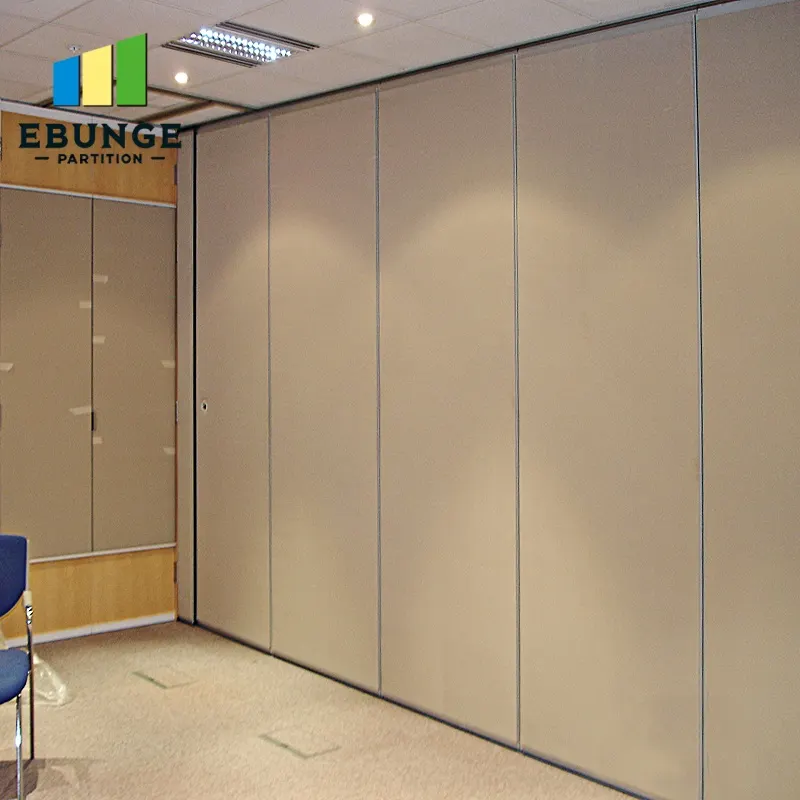
The suitability of each route and parking arrangement depends on the approved layout, circulation, ceiling interfaces and operating sequence. For overseas contractors, architects, interior designers, owners, renovation companies, distributors and construction teams, the calendar should follow the confirmed layout, the supported overhead route and the facility’s own shutdown rhythm. EBUNGE movable partition panels are individually movable, suspended from a top track, cross the opening without a floor track, and park at a planned stacking position. That single fact shapes everything below: the track is the continuity line, so any servicing window must protect it.
Start With the Confirmed Movement Route, Not a Generic Schedule
Project review term: track servicing calendar.
Before a servicing calendar has any value, the project team should confirm the straight, turning and stacking routes from the layout. A route that looks simple on a floor plan may include a turn, a parking pocket or a transition that changes how the overhead path is reviewed. The calendar should be built around those confirmed routes, because they define where access may be needed and which areas must remain clear during a shutdown window.
This is also where evidence limits matter. Visible references can support layout discussion but do not verify hidden construction or performance. Those items require project-specific review. The calendar is therefore a planning tool that sits on top of confirmed information, not a substitute for it.
Map Shutdown Windows to Real Facility Constraints
Coordination scope: track servicing calendar.
Facility shutdown windows are rarely identical across a building. A hotel may have low-occupancy periods, a school may have term breaks, and an office renovation may have staged handover dates. The planning team should list each window with its start, end, access restrictions and any adjacent activity that cannot be disturbed.
Once windows are listed, match them to the route sections that can realistically be reviewed in that period. Do not assume every window suits every task. The exact overhead route and support arrangement must be confirmed by the responsible project team from coordinated drawings. The goal is to avoid forcing a calendar that ignores how the building actually operates.
Decision checklist for each shutdown window
- Is the confirmed movement route available in the current layout drawings?
- Which track sections are accessible without removing unrelated building services?
- Does the window allow the parking area to be kept clear?
- Are pass-door requirements and project documentation already discussed with the supplier?
- Is there a named person responsible for confirming support and dimensional conditions?
- Are acoustic and fire requirements being handled as project-specific items rather than calendar assumptions?
Build the Calendar Around Evidence Boundaries
Checklist focus: track servicing calendar.
A track servicing calendar should state what is being checked and what is not being claimed. For example, a calendar entry can record that a route was reviewed against the layout, but it should not claim a measured acoustic result unless that result has matching project evidence.
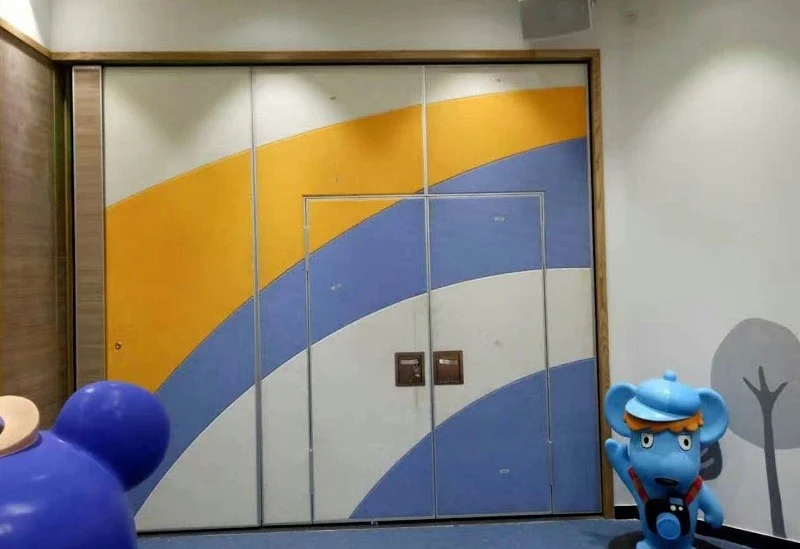
Where a finish is visible, the calendar can note the confirmed finish category, such as laminate, melamine, fabric, leather, glass or another approved surface. This distinction keeps the calendar useful without turning it into an unsupported specification.
Evidence note for calendar owners
Record only what the project documentation supports. If a support, acoustic or dimensional condition is not confirmed, mark it as an open item for project-specific review rather than filling the gap with an assumption.
Coordinate Responsibilities Before the Window Opens
Facility operations planning coordination often fails because the calendar lists tasks but not owners. Before a shutdown window, the project team should agree who provides the latest layout, who confirms the overhead route, who checks access, and who signs off that the area is ready. This is not about adding bureaucracy; it is about preventing a window from being used for the wrong activity.
The supplier can discuss pass-door requirements and project documentation, but the project team remains responsible for confirming how the installed condition matches the approved drawings.
Compact responsibility map
| Calendar item | Typical owner | Evidence needed |
|---|---|---|
| Confirmed movement route | Design or project team | Current layout drawing |
| Access and parking clearance | Facility operations | Window schedule and area plan |
| Support and dimensional review | Project engineer or consultant | Project-specific confirmation |
| Acoustic requirement | Acoustic consultant or specifier | Project-specific documentation |
| Pass-door and documentation questions | Project team with supplier | Discussed project requirements |
Use a Repeatable Review Sequence
A repeatable sequence helps different teams produce comparable calendar entries. The sequence below is deliberately generic because the actual scope must be confirmed for each project.
- Confirm the current layout and the straight, turning and stacking routes.
- List the shutdown windows and their access limits.
- Identify which route sections can be reviewed in each window.
- Assign an owner and an evidence source for every calendar entry.
- Record open items that require project-specific support, acoustic or dimensional confirmation.
- Review the calendar after each window and update it before the next one.
Keep the Calendar Useful Without Overclaiming
Instead, the calendar should point back to the approved drawings, the confirmed route and the project-specific confirmations that support each entry.

For teams comparing options, the movable wall product context and the planning resources can help frame questions, but they do not replace project review. The strongest calendar is one that a new project team can read and understand without needing to infer missing engineering or commercial conclusions.
Frequently Asked Questions
What is the first input for a track servicing calendar?
The confirmed layout and movement route. Without the straight, turning and stacking routes, the calendar has no reliable basis for deciding which areas need attention during a shutdown window.
Can a calendar entry confirm acoustic performance?
No.
How should pass-door requirements be handled?
Pass-door requirements and project documentation can be discussed with the supplier. The project team should confirm how those requirements relate to the approved layout and the facility’s shutdown windows.
Do movable partition panels need a floor track?
EBUNGE movable partition panels are top-hung and cross the opening without a continuous floor running track or floor hardware along the partition line. The overhead route still requires project-specific support review.
What should be done when a shutdown window changes?
Update the calendar against the confirmed route and reassign owners for any affected entries. Do not carry forward an old assumption about access, support or dimensions without checking the current project information.
Which finish information belongs in the calendar?
Only the confirmed finish category, such as laminate, melamine, fabric, leather, glass or another approved surface.
Conclusion and Next Step
A track servicing calendar is most reliable when it follows the confirmed movement route, respects each shutdown window’s real constraints, and records evidence boundaries instead of filling gaps with assumptions. Project teams should confirm support, acoustic and dimensional requirements for their specific installation before finalizing any calendar.
To discuss pass-door requirements, documentation or layout coordination for your project, contact the EBUNGE team and share your current drawings and window schedule.