
How to Flag Track Interface Exclusions Buried in a Bidder's Method
Quick project answer
Review focus: track interface.
A track interface exclusions bidder method statement review is the discipline of reading a bidder’s proposed installation narrative line by line and asking one question: which parts of the overhead route, its support and the handover between trades are silently left out? Method statements often describe panel handling in detail while leaving the track interface to someone else. That gap rarely appears as a heading. The suitability of each route and parking arrangement depends on the approved layout, circulation, ceiling interfaces and operating sequence.”.
This guide offers an evidence-bounded way to surface those exclusions before award. Every finding should be traced back to the project drawings and confirmed with the parties who own each interface.
Why Track Interfaces Are a Common Blind Spot
Project review term: track interface.
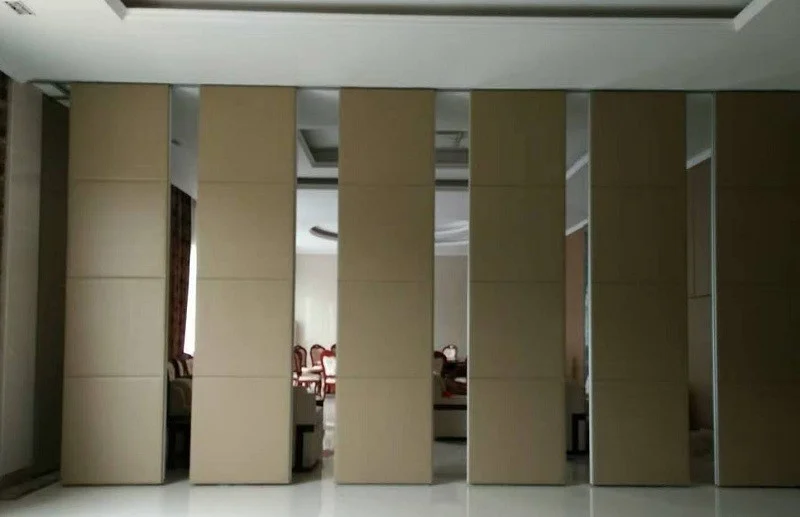
Movable wall panels are individually movable, suspended from a top track, and cross the opening without a floor track. They park at a planned stacking position. That operating concept concentrates attention on the panels and the opening, yet the system depends on a continuous connected overhead route and project-specific support review.
A bidder’s method statement may therefore look complete while remaining silent on who prepares, fixes, aligns or accepts the track and its supporting structure. Because the panels hang from above, the interface between the partition supplier and the building structure is where responsibility most easily fragments.
What the method statement usually covers
Typical narratives describe delivery, panel sequence, protection of finishes and the parking arrangement. These are useful, but they describe the product’s movement, not the building’s readiness.
What it often leaves implicit
Support conditions, setting-out responsibility, tolerance acceptance and the definition of “complete” at the track line are frequently implied rather than stated. Implication is not scope.
Read the Method Statement as a Route, Not a Product
Coordination scope: track interface.
Straight, turning and stacking routes are reviewed from the layout. Use that same logic on the bidder’s document. Trace each proposed movement path from the closed position to the parking position and ask where the overhead route is described, supported and accepted.
The exact route, junction arrangement, continuous overhead path and parking position must be confirmed from the coordinated project drawings. Every proposed movement path requires a continuous connected overhead route and project-specific support review.
Three route questions to ask every bidder
- Does the method statement describe the full overhead route for every straight, turning and stacking movement shown on the layout?
- Which party is named for preparing and accepting the supporting structure before track work begins?
- Where the document says “by others”, is that party identified, and is their scope described anywhere in the tender pack?
A Checklist for Flagging Buried Exclusions
Use a consistent checklist across all bidders so that comparisons remain fair. The aim is not to score prose quality but to expose scope boundaries that would otherwise surface during installation.
| Review point | What to look for | Evidence to request |
|---|---|---|
| Overhead route continuity | Whether the full path, including turns and stacking, is described | Marked-up layout showing the route |
| Support responsibility | Named party for structure preparation and acceptance | Interface schedule or responsibility matrix |
| Setting-out and tolerances | Who establishes lines and levels at the track | Project-specific drawing review notes |
| Handover definition | What “ready for track” means in practice | Agreed inspection or acceptance step |
| Finish and pass-door scope | Whether finishes and pass-door requirements are included | Confirmed finish schedule and pass-door brief |
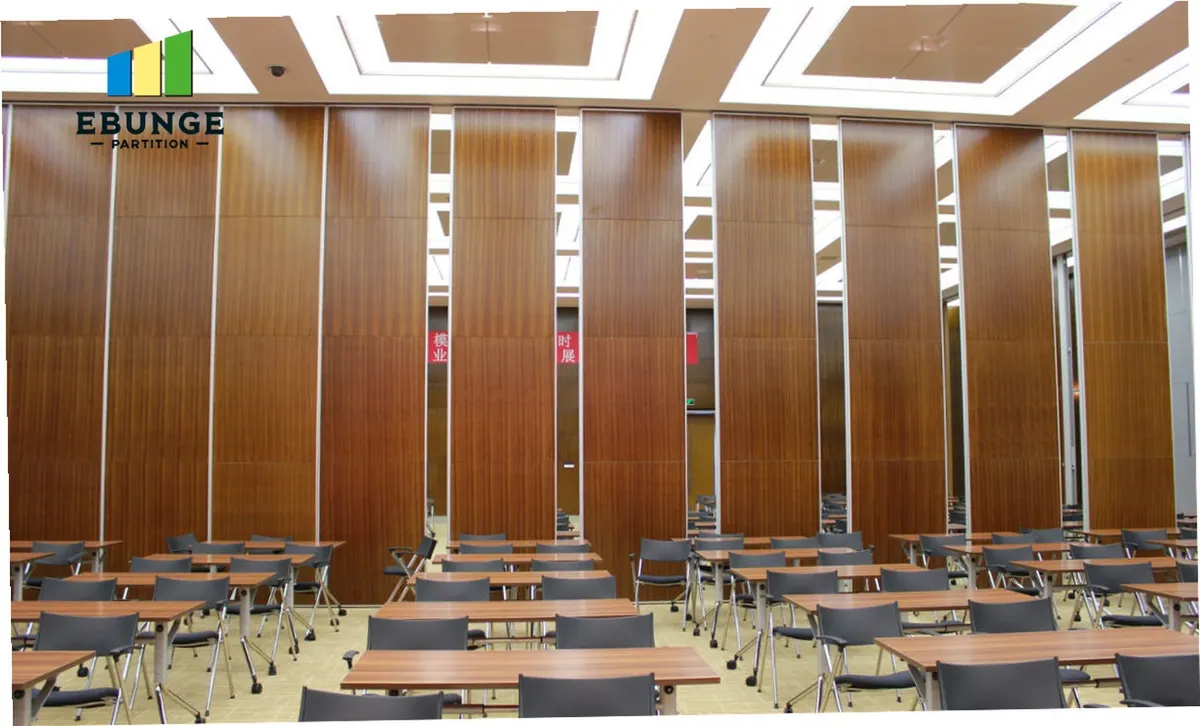
Confirmed finish options include laminate, melamine, fabric, leather, glass and other approved surfaces. Pass-door requirements and project documentation can be discussed with the supplier. Neither point should be assumed from a generic method statement.
Question the Words That Hide Scope
Certain phrases recur in method statements because they are convenient, not because they are clear. Flag them and ask for a written position.
Phrases worth highlighting
- “By others” — ask who, and confirm their scope appears in the same tender pack.
- “
- “Final connections excluded” — ask what remains to be connected and who accepts the result.
- “As per site conditions” — ask which conditions were assumed when the method statement was written.
- “Standard details apply” — ask for the specific detail relevant to this layout.
None of these phrases is automatically wrong. The problem is silence about ownership.
Separate Acoustic Concepts From Scope Claims
Acoustic language is another place where exclusions hide.
Method statements sometimes imply that acoustic outcomes follow automatically from the partition. They do not. Seals, junctions and the surrounding construction all influence the result, and project-specific acoustic requirements must be confirmed against the actual design.
Evidence note: this article describes review practice only. It makes no claim about measured acoustic values, structural capacity, installation duration or completed projects. Confirm support, acoustic and dimensional requirements for your specific project.
Turn Findings Into Tender Queries
Once exclusions are flagged, convert them into numbered queries with a requested response format. Ask each bidder to state, in writing, which party owns each interface and which drawing defines it.
Where a bidder relies on documentation, ask for the specific document rather than a general reference. The resources section can support early planning conversations, but project-specific confirmation still belongs in the tender record.
Procurement and tender review coordination
Share flagged items with the design team before clarifications close.
Frequently Asked Questions
What is a track interface exclusion in a method statement?
It is any part of the overhead track route, its support or the handover between trades that the bidder’s narrative leaves to another party or to a later design stage without naming who is responsible.
Does a floor track need to be reviewed too?
EBUNGE movable panels are top-hung and cross the opening without a floor track, so the review concentrates on the overhead route and its support. Confirm the proposed configuration against your own layout.
Can I compare bidders using the same checklist?
Yes.
Should acoustic ratings appear in the method statement?
Acoustic requirements should be confirmed as part of the project specification.
What should I request when a bidder says “by others”?
Ask for the named party, their scope description and the drawing that defines the boundary. If no document exists, record the item as an open query before award.
When should pass-door requirements be raised?
Raise them during tender review so the scope is clear before comparison. Pass-door requirements and project documentation can be discussed directly with the supplier.
Conclusion and Next Step
A careful track interface exclusions bidder method statement review protects the project from discovering scope gaps after the order. Confirm support, acoustic and dimensional requirements for your specific project before relying on any bidder’s wording.
If you are preparing a tender and want to discuss layout routes, finish options or pass-door requirements, contact the EBUNGE team with your drawings and open queries.