
Quick answer: track fixing crew
Review focus: track fixing crew.
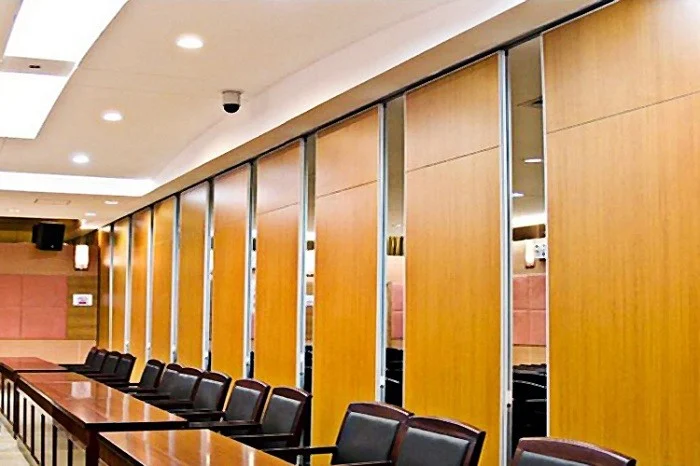
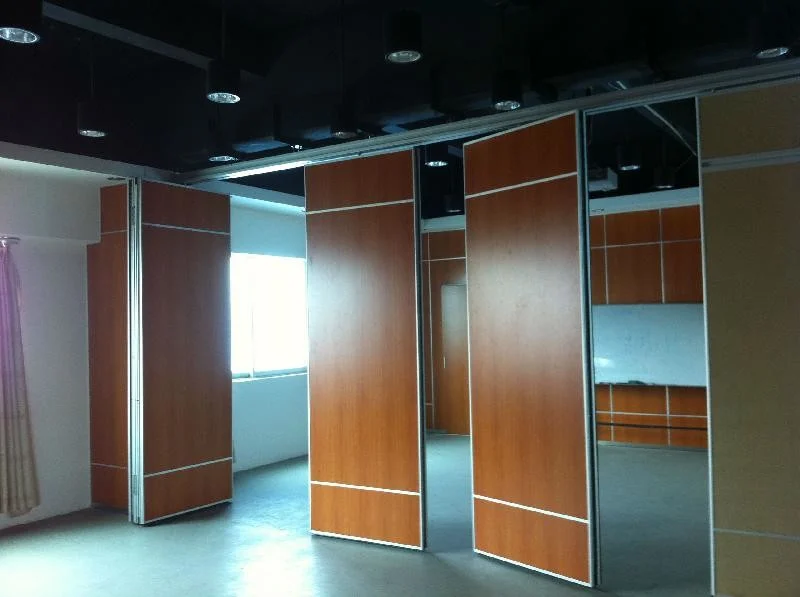
Track fixing crew workface release sequence planning is the discipline of deciding when the overhead route is genuinely ready for the crew, and when the floor below can be released to other trades. On a top-hung movable partition, the panels are individually movable, suspended from a top track, cross the opening without a floor track, and park at a planned stacking position. That single fact reshapes the sequence: the critical path runs overhead, not across the floor.
This guide is written for overseas contractors, architects, interior designers, owners and renovation teams who must coordinate that sequence without inventing engineering conclusions. The suitability of each route and parking arrangement depends on the approved layout, circulation, ceiling interfaces and operating sequence.
Why the Overhead Route Drives the Release Sequence
Project review term: track fixing crew.
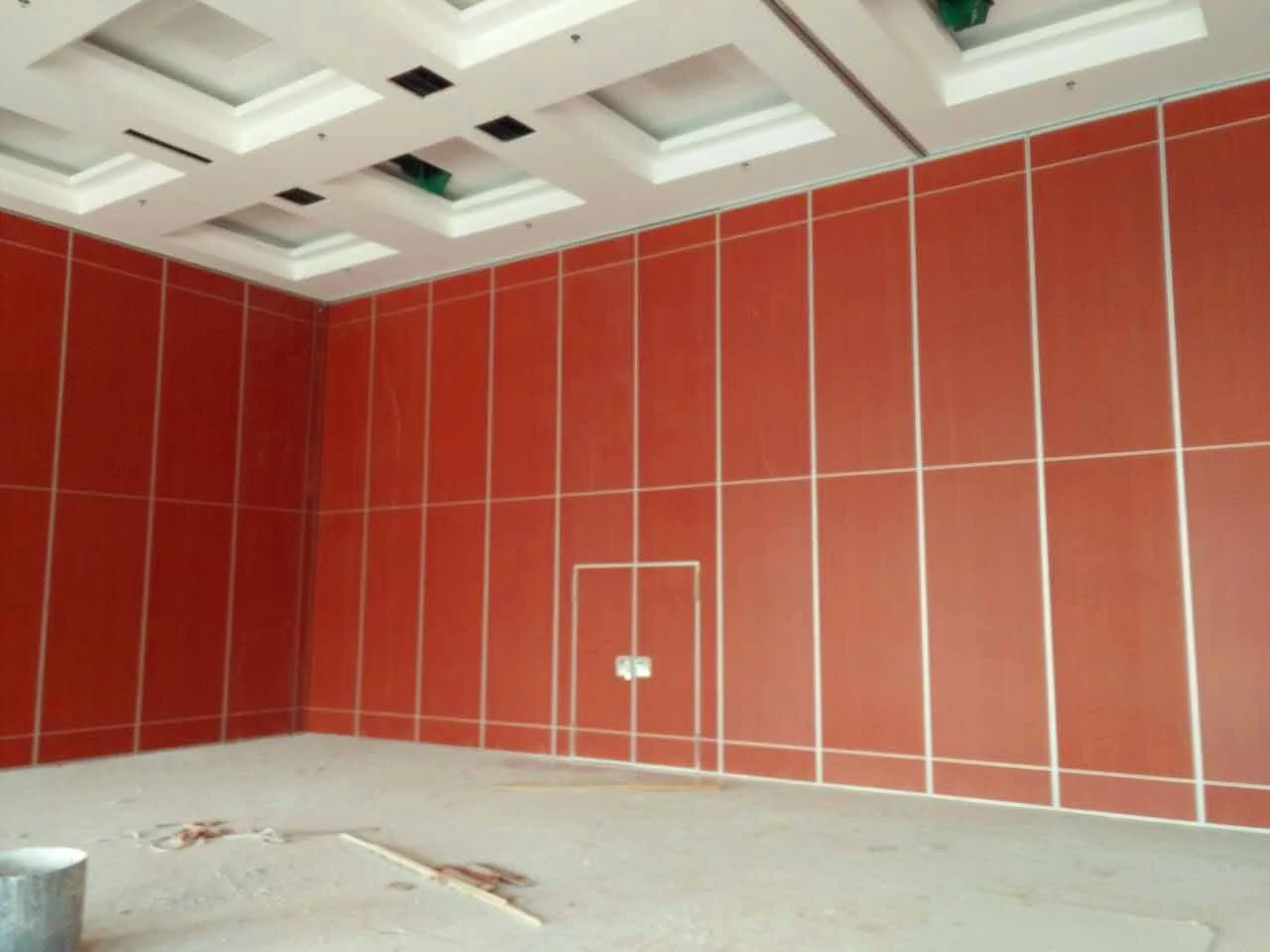
Because there is no continuous floor running track along the partition line, the floor slab is not the primary constraint for the partition itself. The constraint is the overhead route. Straight, turning and stacking routes are reviewed from the layout, and each route must be continuous and supported along its full length.
This is why a workface release decision is really a route decision. Releasing a zone to the track fixing crew before the route has been reviewed can force rework later. Releasing it too late can idle finishing trades that were scheduled to follow. The sequence exists to balance those two risks.
What the crew actually needs before starting
The crew needs a reviewed route, a confirmed support strategy, and a workface that other trades have cleared. It does not need the floor finish to be complete, because the partition does not run on the floor. That distinction is often the first place a programme can be re-sequenced.
A Six-Step Workface Release Sequence
- Confirm the layout. Verify the straight, turning and stacking routes against the current architectural layout, not an earlier revision.
- Confirm the support strategy.
- Confirm the parking position. Parking style is customized to the customer layout and project requirements, so the stacking zone must be agreed before the route is finalised.
- Clear the workface. Remove conflicting overhead and adjacent trade activity from the zone, and record what remains.
- Release in route order. Release the workface in the order the route is built, so partially completed routes are not left exposed to other trades.
- Record the handover. Document the condition of the released zone and the agreed boundary of the crew’s scope.
Steps two and three are the ones most often compressed under programme pressure. They are also the ones that most often require a drawing review rather than a site decision.
Information the Crew Cannot Infer From the Site
Some decisions look obvious on site but are not. A visible opening does not tell the crew whether the route above it is continuous. A visible ceiling line does not confirm the support strategy. A visible stacking area does not confirm that the parking arrangement has been coordinated.
Project teams should therefore treat the following as drawing-review items, not site-inference items: route continuity, support locations, parking geometry, and the interface between the partition route and other overhead services. Where any of these is unresolved, the release date should be treated as provisional.
Evidence note
Do not derive acoustic, structural, durability or commercial performance from a visible shape, finish, photograph or drawing. Comparative and absolute statements require matching project evidence; otherwise state the exact confirmation boundary.
Coordinating Other Trades Around the Release
Contractor installation planning coordination usually fails at the boundary between trades, not inside a single trade’s scope. The track fixing crew needs a clean overhead zone; the finishing trades need a clean floor zone. Because the partition is top-hung, those two needs can often be separated in time.
A useful habit is to define two distinct release points: an overhead release for the track route, and a floor release for following trades. On many projects these can be sequenced so that ceiling and route work proceeds while floor finishes wait, provided the project drawings and the site conditions support that arrangement.
Compact comparison: what each release point controls
| Release point | Primary condition | Typical dependency |
|---|---|---|
| Overhead release | Route reviewed and support confirmed | Structural confirmation, route continuity |
| Floor release | Zone clear of route work | Trade sequencing, protection of finishes |
| Parking release | Stacking position agreed | Layout coordination, adjacent use of space |
The table is a planning aid, not a specification. Actual conditions depend on the project drawings and the confirmed configuration.
Acoustic Concepts and What They Do Not Tell You
Seals and edge details contribute to how an assembly behaves acoustically, but their selection and performance are project-specific. This article does not state seal materials, panel construction or measured results, because those require matching evidence.
Common Sequencing Mistakes to Avoid
- Releasing a workface before the overhead route has been reviewed against the current layout.
- Assuming a visible opening confirms a continuous supported route above it.
- Fixing the parking position after the route is built rather than before.
- Leaving the boundary between the crew’s scope and adjacent trades undocumented.
Each of these mistakes tends to surface late, when correction is most disruptive. A short pre-release check is usually cheaper than a re-sequenced programme.
Documentation and Pass-Door Requirements
Pass-door requirements and project documentation can be discussed with the supplier as part of the planning conversation. Where a pass door is required, it affects the layout and the route, so it should be raised before the release sequence is fixed rather than after.
Finish options include laminate, melamine, fabric, leather, glass and other approved surfaces. Finish choice is a design and coordination decision; it should not be used to infer acoustic, durability or maintenance performance without project-specific evidence.
Frequently Asked Questions
What is track fixing crew workface release sequence planning?
It is the process of deciding when a zone is ready to be handed to the track fixing crew, based on the reviewed overhead route, the confirmed support strategy and the agreed parking position, rather than on floor readiness alone.
Does the floor need to be finished before the track fixing crew starts?
Not necessarily. Because the panels are top-hung and cross the opening without a floor track, the floor finish is not the primary constraint. The overhead route and its support are. Confirm the actual sequence against the project drawings.
Can the route be confirmed from a site visit alone?
No. A site visit alone does not establish those conditions.
How should acoustic requirements be handled during planning?
Do not infer performance from a finish, a photograph or a drawing.
When should pass-door requirements be raised?
Before the release sequence is fixed. A pass door affects the layout and the route, so it belongs in the early coordination conversation rather than in a late variation.
What should be documented at handover?
The condition of the released zone, the agreed scope boundary, and any unresolved items that could affect the route or the parking position. This record supports later coordination between trades.
Conclusion and Next Step
A reliable release sequence is built on reviewed drawings, confirmed support and an agreed parking position, not on assumptions made at the workface.
Before releasing any zone, confirm the project-specific support, acoustic and dimensional requirements with the project team. Where those are unresolved, keep the release provisional.
To review your layout, route and documentation requirements, contact the EBUNGE team. You can also review the movable wall product range and the planning resources before your next coordination meeting.