
Quick project answer
Track fixing crew scheduling ceiling grid closure dependency is one of the most common coordination knots in movable partition installation. The overhead route must be continuous and supported before panels can travel, yet the ceiling grid often remains open while other trades finish above it. This guide offers an evidence-bounded framework for sequencing crews without inventing engineering conclusions. Every recommendation here must be checked against project-specific drawings, support reviews, and acoustic requirements.
Why the Ceiling Grid Becomes a Scheduling Constraint
Movable wall panels are individually movable and suspended from a top track. They cross the opening without a floor track and park at a planned stacking position. That simple description hides a real dependency: the top track needs a continuous connected overhead route, and that route must be coordinated with the ceiling grid before closure.
When the grid is not closed, the track fixing crew may still be able to set out and install primary supports, but final alignment and verification often wait on grid completion. The dependency is not just about access. It is about dimensional control, support coordination, and the sequence of inspections.
Mapping the Dependency Before You Schedule
Start by listing every activity that must happen before track fixing can be considered complete. This is not a generic checklist; it is a project-specific dependency map. The goal is to identify which tasks can proceed in parallel and which must wait.
Questions to ask the design team
- Has the overhead support route been reviewed for continuity across the full opening and turning path?
- Does the ceiling grid closure sequence affect access to the track fixing zone?
- Are there other trades that need the same overhead space before or after track installation?
- What hold points require inspection before the grid closes?
These questions do not produce engineering answers on their own. The suitability of each route and parking arrangement depends on the approved layout, circulation, ceiling interfaces and operating sequence.
A Practical Sequencing Framework for Track Fixing Crews
Use a numbered process to align the track fixing crew with the ceiling grid schedule. The steps below are planning prompts, not a substitute for project-specific method statements.
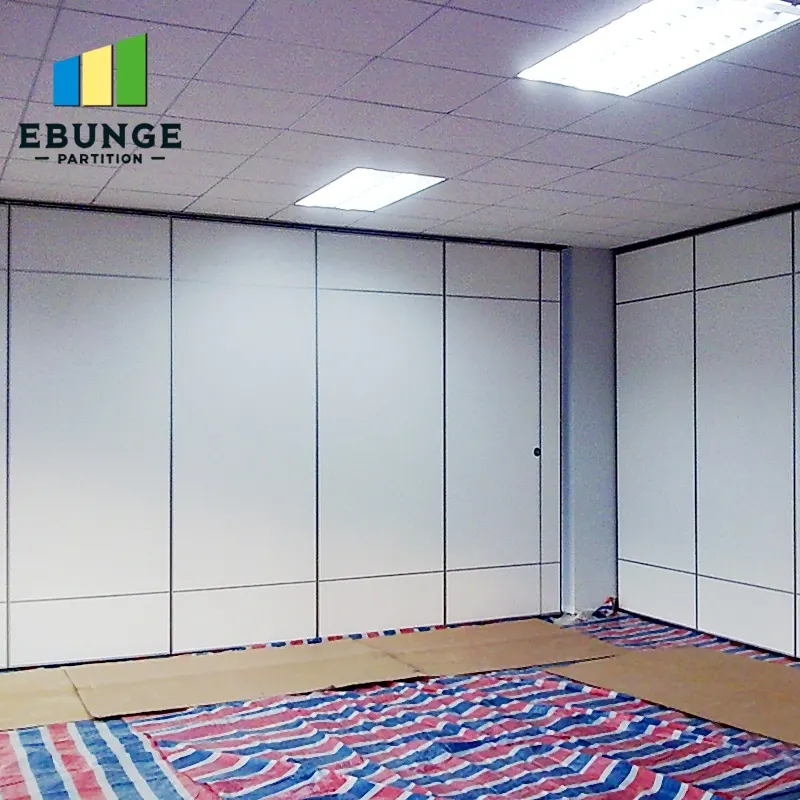
- Confirm the overhead route. Review straight, turning, and stacking routes from the layout. Every proposed movement path requires a continuous connected overhead route and project-specific support review.
- Identify grid closure hold points. Determine which track fixing activities can be completed before grid closure and which require the grid to be closed or partially closed.
- Coordinate access windows. Agree when the track fixing crew can work above the grid without conflicting with ceiling installers or other trades.
- Set inspection points. Define who verifies support readiness, alignment, and route continuity before the grid is closed.
- Document the sequence. Record the agreed order in the project programme so that later changes do not silently break the dependency.
This framework keeps the conversation focused on coordination rather than performance claims. It also makes the dependency visible to owners and general contractors who may not be familiar with top-hung partition systems.
What Can and Cannot Be Confirmed Without Project Evidence
Track fixing crew scheduling ceiling grid closure dependency project planning often runs into a boundary: some information is visible on drawings, and some is not. The exact overhead route and support arrangement must be confirmed by the responsible project team from coordinated drawings.
Evidence note: Do not derive hidden acoustic, fire, durability, load, maintenance, certification, or commercial performance from a visible shape, finish, photograph, or drawing. Comparative, absolute, and causal statements require corresponding evidence; otherwise state the exact project-specific confirmation boundary.
Coordination Checklist for the Pre-Closure Window
Use this checklist to structure conversations before the ceiling grid closes. It is designed for contractors, architects, interior designers, and construction teams who need a shared reference.
| Coordination item | Why it matters | Who confirms |
|---|---|---|
| Overhead route continuity | Panels cannot travel across an untracked gap | Design team and structural reviewer |
| Grid closure sequence | Affects access and inspection timing | Ceiling contractor and general contractor |
| Support readiness | Track fixing depends on reviewed support conditions | Project engineer |
| Pass-door requirements | Affects layout and panel configuration | Owner and design team |
| Acoustic requirements | Requires project-specific confirmation | Acoustic consultant and design team |
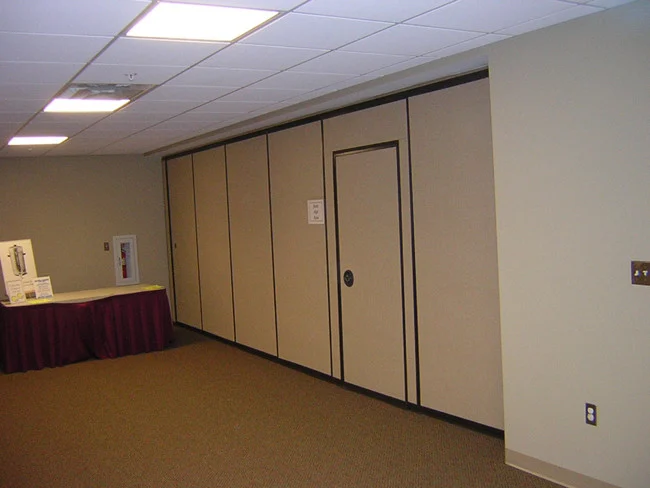
This table is a conversation starter, not a certification. Each row must be resolved with the responsible party and documented in the project file.
How to Keep the Schedule Flexible Without Guessing
When the ceiling grid is not closed, the temptation is to guess at durations or assume that track fixing can proceed independently.
For example, the track fixing crew may be able to set out positions and prepare the work area while the grid remains open. Final fixing and alignment may need to wait for grid closure or partial closure. The exact split depends on the project layout, support design, and inspection regime.
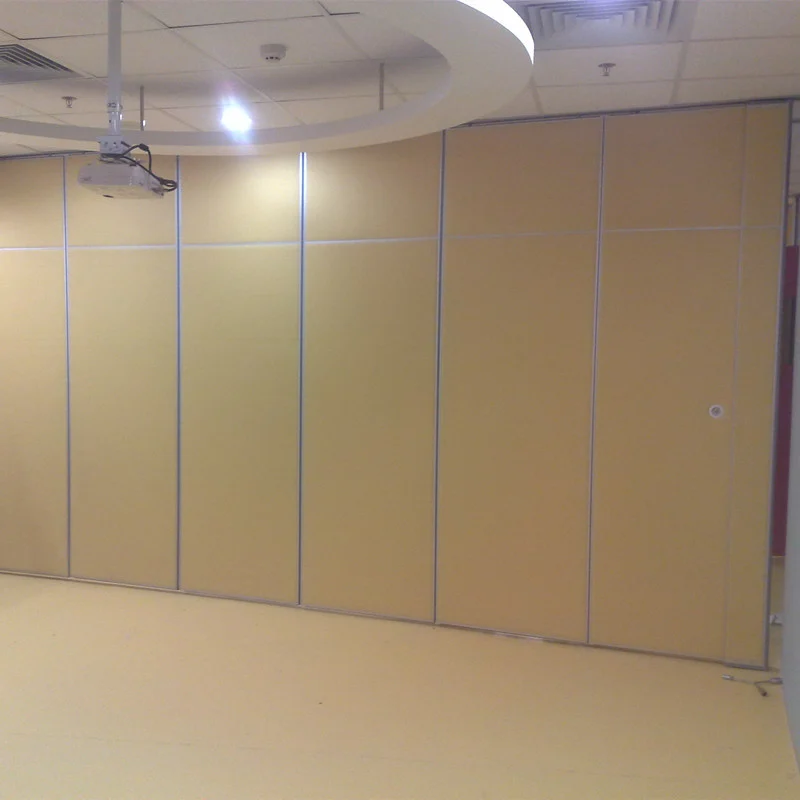
Parking style is customized to the customer layout and project requirements and may support compact stacking when the coordinated design permits it. That customization means the stacking position and route must be reviewed alongside the ceiling grid sequence, not after it.
Frequently Asked Questions
Can track fixing start before the ceiling grid is closed?
It depends on the project. Some preparatory activities may be possible, but final fixing and verification often require grid closure or partial closure. Confirm with the project engineer and ceiling contractor.
What is the biggest scheduling risk when the grid is open?
The biggest risk is losing access or inspection opportunities before the grid closes. If hold points are not defined, later trades may cover the track zone before it is verified.
How do I coordinate multiple trades above the ceiling?
Use a shared dependency map and agree on access windows. The track fixing crew, ceiling installers, and other overhead trades should work from the same sequence.
Does the track need a continuous overhead route?
Yes. Every proposed movement path requires a continuous connected overhead route and project-specific support review. The exact route, junction arrangement, continuous overhead path and parking position must be confirmed from the coordinated project drawings.
Can acoustic performance be confirmed from the layout drawing?
No. Visible references can support layout discussion but do not verify hidden construction or performance.
What information should be ready before scheduling the track fixing crew?
Have the layout, overhead route, support review status, grid closure sequence, and inspection hold points available. Pass-door requirements and project documentation can be discussed with the supplier.
Conclusion and Next Steps
Track fixing crew scheduling ceiling grid closure dependency is a coordination problem, not a product limitation. By mapping dependencies, defining hold points, and respecting evidence boundaries, project teams can reduce rework and keep the installation sequence visible.
For product information and project documentation, visit the movable walls product page, explore resources, or contact us to discuss your project.