
Quick answer: track fixing crew ramp up
Review focus: track fixing crew ramp up.
Track fixing crew ramp-up ceiling grid slippage is a coordination problem, not a product defect. When the ceiling grid moves or the reflected ceiling plan changes, the overhead route for a top-hung movable partition may need re-survey before track fixing can start. EBUNGE movable wall panels are individually movable, suspended from a top track, cross the opening without a floor track, and park at a planned stacking position. That confirmed behavior depends on a continuous connected overhead route and project-specific support review. This article gives contractors an evidence-bounded way to plan crew ramp-up when grid conditions slip.
Why Ceiling Grid Slippage Disrupts Track Fixing Crew Ramp-Up
Project review term: track fixing crew ramp up.
Ceiling grid slippage usually means the installed grid no longer matches the coordinated layout. The grid may shift laterally, change elevation, or be re-sequenced after other trades. For a top-hung partition, the track route must follow a continuous connected overhead path. If the grid moves, the route review may need to be repeated before fixing crews can mobilize.
This is a planning issue. It does not automatically mean the partition system is unsuitable. It means the project team should confirm the current grid condition, the intended track route, and the support strategy before committing labor. The goal is to avoid sending a crew to site when the overhead condition is not ready for review.
What the Confirmed Product Facts Allow You to Plan
Coordination scope: track fixing crew ramp up.
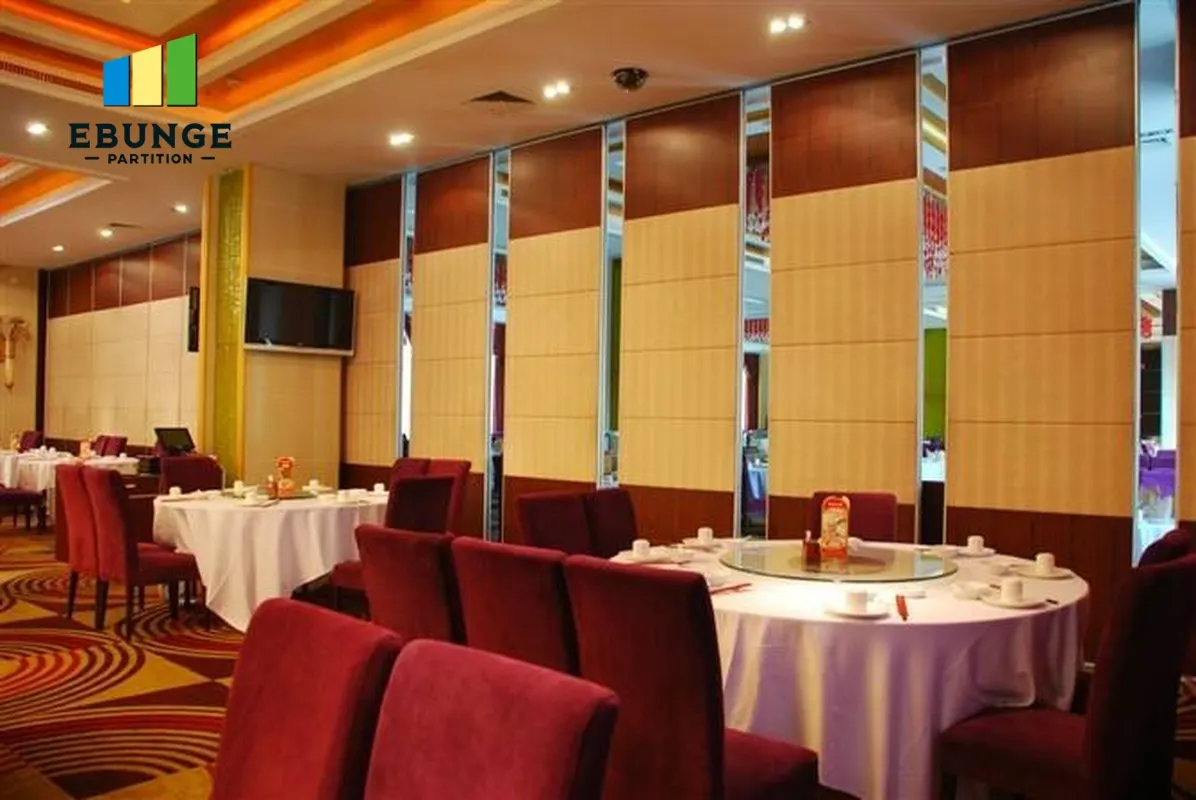
EBUNGE confirms that panels are individually movable and top-hung. They cross the opening without a floor track and park at a planned stacking position. Straight, turning, and stacking routes are reviewed from the layout. Finish options include laminate, melamine, fabric, leather, glass, and other approved surfaces. Pass-door requirements and project documentation can be discussed.
These facts support route and stacking planning. The suitability of each route and parking arrangement depends on the approved layout, circulation, ceiling interfaces and operating sequence. Those items require project-specific review. Do not infer them from a finish sample, a photograph, or a generic drawing.
A Crew Ramp-Up Sequence When Grid Conditions Are Uncertain
Checklist focus: track fixing crew ramp up.
Use a staged sequence so labor is released only when the overhead condition is ready for the next review. The steps below are a planning framework, not a substitute for project-specific engineering.
- Freeze the current grid condition. Record what is installed today, including any deviation from the coordinated ceiling plan.
- Re-check the intended track route. Confirm straight, turning, and stacking routes against the latest layout.
- Identify support review points. Mark where the overhead route needs project-specific support confirmation.
- Confirm the parking position. Verify that the planned stacking area still matches the layout.
- Release the survey crew first. Send a small team to verify conditions before full track fixing mobilization.
- Ramp the fixing crew after sign-off. Increase crew size only when the route and support review are documented.
This sequence keeps the crew ramp-up tied to visible evidence. It also gives the project team a clear reason to pause if the grid slips again.
Decision Checklist for Track Fixing Readiness
Review focus: track fixing crew ramp up.
Before adding track fixing labor, walk through this checklist with the site team. Each item should have a named owner and a documented status.
- Current ceiling grid condition recorded and compared with the coordinated layout.
- Track route reviewed for straight, turning, and stacking movements.
- Continuous connected overhead route confirmed for every proposed movement path.
- Support review points identified for project-specific confirmation.
- Parking position coordinated with the room layout and adjacent trades.
- Pass-door requirements discussed if the project includes them.
- Project documentation aligned with the latest approved drawings.
- Acoustic and dimensional requirements flagged for project-specific confirmation.
If any item is unresolved, keep the fixing crew at survey level. Do not treat a partially complete checklist as approval to ramp up.
Coordination Boundaries With Other Trades
Project review term: track fixing crew ramp up.
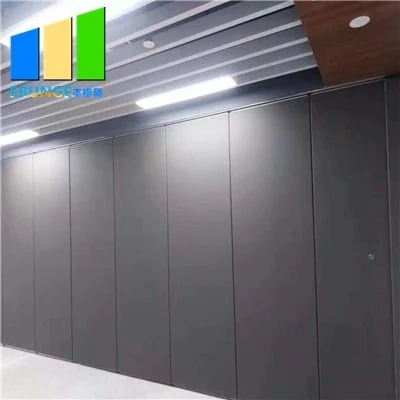
Ceiling grid slippage often comes from MEP, sprinkler, or lighting coordination. The partition track route may compete for the same overhead zone. A contractor should not assume that a grid opening is available simply because it appears on a drawing.
Hold a coordination review with the ceiling and MEP teams before track fixing. Confirm that the overhead route remains continuous and that no new obstruction has appeared. If the grid moves after that review, repeat the relevant steps. This is not a failure of the partition system; it is normal construction sequencing.
Evidence Limits: What You Should Not Assume
Visible references can support layout discussion but do not verify hidden construction or performance. The exact route, junction arrangement, continuous overhead path and parking position must be confirmed from the coordinated project drawings. Every proposed movement path requires a continuous connected overhead route and project-specific support review.
They describe laboratory or field ratings in general terms. Confirm acoustic requirements with the project team and the relevant documentation.
Documentation to Prepare Before Ramping Up
Good documentation reduces the chance of a false start. Prepare the latest reflected ceiling plan, the partition layout, the intended track route, and the planned parking position. Note any grid deviation and the date it was observed. Record who reviewed the support condition and what remains open.
If pass-door requirements apply, include them in the same package. If the project has acoustic or dimensional targets, list them as items requiring confirmation rather than as confirmed performance.
Frequently Asked Questions
Does ceiling grid slippage mean the movable partition cannot be installed?
No. It means the overhead route and support condition should be re-reviewed against the current grid.
When should the track fixing crew ramp up?
Ramp up after the current grid condition, track route, support review points, and parking position are documented. If those items are unresolved, keep the crew at survey level.
Can the track route change after the grid slips?
Yes, the route may need to be re-coordinated. Straight, turning, and stacking routes are reviewed from the layout. Any change should be checked for a continuous connected overhead route.
What finish options are confirmed?
Confirmed finish options include laminate, melamine, fabric, leather, glass, and other approved surfaces.
How should acoustic requirements be handled?
Confirm project-specific acoustic requirements with the relevant documentation and project team.
What should be included in the coordination package?
Include the latest ceiling plan, partition layout, intended track route, parking position, observed grid deviations, and any pass-door requirements. Mark open items clearly.
Conclusion and Next Steps
Confirm the current grid, re-check the route, identify support review points, and release labor only when the documentation supports it. This approach protects the schedule without inventing performance claims.
To discuss movable wall planning, review the movable walls product page, explore planning resources, or contact EBUNGE to discuss your project documentation and pass-door requirements.