
Quick project answer
Review focus: track fixing crew.
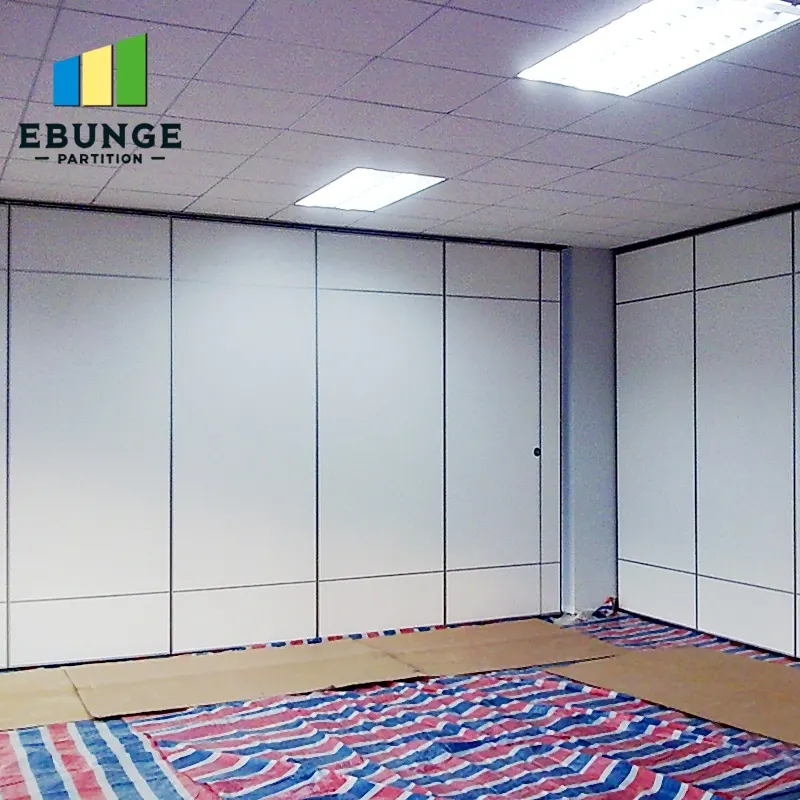
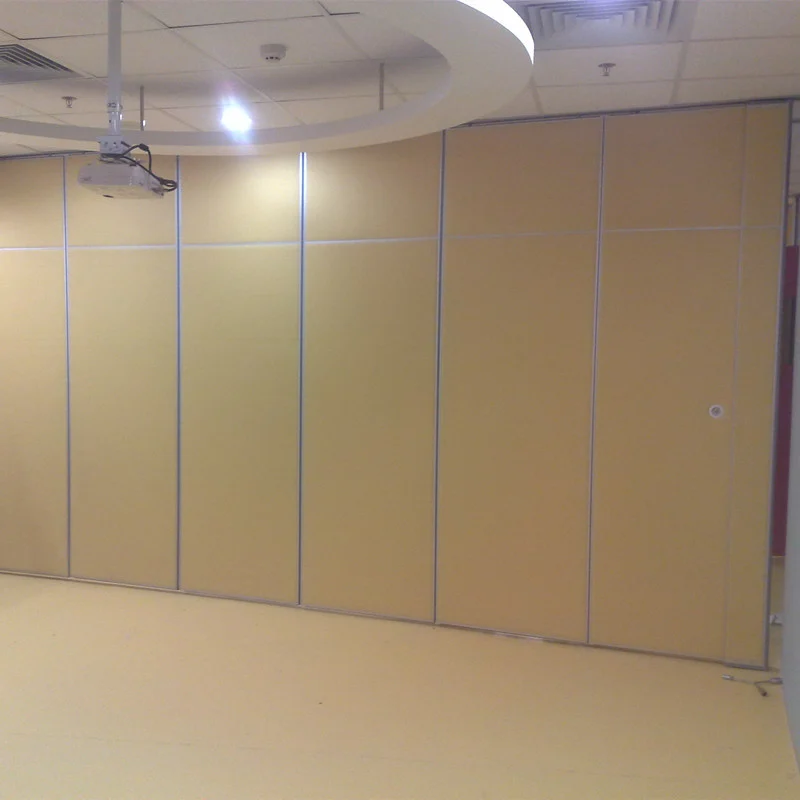
Track fixing crew panel delivery window planning is a sequencing exercise, not a scheduling guess. On movable partition projects, the overhead route must be reviewed before panels arrive, because EBUNGE movable wall panels are individually movable, suspended from a top track, cross the opening without a floor track, and park at a planned stacking position. If the track is not ready, panels may sit in a staging area that blocks other trades. If the track is ready too early, it may be exposed to damage. The practical goal is to align crew availability, delivery access, and drawing review so the installation sequence stays coordinated.
Start With the Drawing Review, Not the Delivery Date
Project review term: track fixing crew.
Before a delivery window is fixed, the project team should confirm the layout drawings that show straight, turning, and stacking routes. These routes determine where the top track must run and where panels will park. A delivery date without a reviewed route is only a date; it does not confirm that the overhead path is continuous or that the stacking position is coordinated with adjacent trades.
Ask the design team to mark every route segment, including turns and parking zones. Then check that each segment connects to the next. The exact route, junction arrangement, continuous overhead path and parking position must be confirmed from the coordinated project drawings. Every proposed movement path requires a continuous connected overhead route and project-specific support review.
Information to collect before locking a window
- Reviewed layout drawings showing straight, turning, and stacking routes.
- Confirmed parking position and its relationship to nearby walls, columns, or services.
- Delivery access route, including door widths and staging space, confirmed by the site team.
- Track fixing sequence and the trades that must finish before track installation begins.
- Project-specific support and dimensional requirements confirmed by the responsible engineer.
Sequence Track Fixing Before Panel Arrival
Track fixing crews need a clear work front. If ceiling works, sprinkler adjustments, or duct installations are still open above the partition line, the track crew may not be able to complete the route. The delivery window should be set after the track route is available, not before.
A simple sequence helps: confirm drawings, release the track fixing crew, complete the overhead route, inspect the route, then accept panel delivery. This order reduces the chance that panels arrive while the track is incomplete. It also gives the site team a visible checkpoint before delivery vehicles are called to site.
Numbered process for coordinating the window
- Confirm the reviewed layout and route drawings with the project team.
- Verify that the overhead route is continuous and that support requirements are confirmed for the project.
- Release the track fixing crew only when the work front is clear.
- Inspect the installed route before confirming the panel delivery window.
- Confirm the parking position and staging area with the site team.
- Accept delivery and begin panel movement according to the coordinated plan.
Use a Decision Checklist Before Confirming Delivery
Contractors often face pressure to accept delivery early. A short checklist can prevent avoidable rework. The checklist should be evidence-based and tied to the drawings, not to assumptions about how the system behaves.
| Check | What to confirm | Evidence needed |
|---|---|---|
| Route continuity | Straight, turning, and stacking routes connect without gaps. | Reviewed layout drawings |
| Support review | Project-specific support requirements are confirmed. | Engineer confirmation |
| Work front | Overhead trades have released the track line. | Site inspection record |
| Parking position | Stacking area is clear and coordinated. | Coordinated layout |
| Delivery access | Route to the opening is unobstructed. | Site logistics confirmation |
This table is a planning aid. It does not replace project-specific engineering, acoustic, or dimensional confirmation. Where a check cannot be confirmed, the delivery window should be treated as provisional.
Coordinate Finishes and Pass-Door Requirements Early
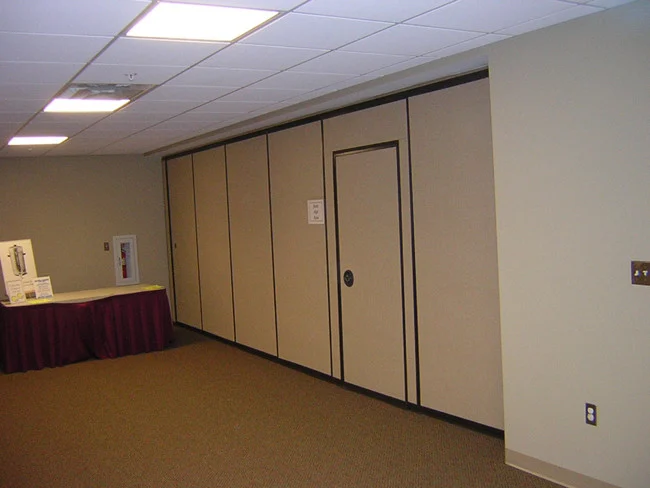
Finish selection can affect handling and protection planning. Confirmed finish options include laminate, melamine, fabric, leather, glass, and other approved surfaces. The suitability of each route and parking arrangement depends on the approved layout, circulation, ceiling interfaces and operating sequence.
Pass-door requirements should also be discussed early. A pass door changes the panel layout and may affect the route and parking plan. If pass-door requirements are raised after the track is fixed, the coordination effort increases. Discuss these requirements with the supplier and the design team before the delivery window is locked.
Acoustic concepts and evidence limits
A project may require specific acoustic confirmation, but that confirmation must come from project-specific evidence. Confirm acoustic requirements with the responsible acoustic consultant and the supplier.
Manage the Delivery Window as a Shared Milestone
The delivery window belongs to the whole project, not only to the supplier. The general contractor, track fixing crew, site logistics team, and supplier should share the same milestone. When the window moves, the track fixing sequence should be reviewed again.
Keep a single point of contact for delivery coordination. Confirm the delivery date, access route, and unloading area in writing. If the track is not ready, notify the supplier before the vehicle is dispatched. This is a coordination step, not a performance claim.
Evidence note
Statements about support, acoustic performance, dimensions, and installation outcomes require matching project evidence. Visible finishes or drawings do not prove hidden performance. Confirm project-specific requirements before relying on any planning assumption.
FAQ: Track Fixing Crew and Delivery Window Planning
What is track fixing crew panel delivery window planning?
It is the coordination of track installation work with the arrival of movable partition panels. The goal is to have the overhead route reviewed and ready before panels are delivered, so the installation sequence stays organized.
Why should the track be fixed before panels arrive?
Panels are suspended from a top track and move along a planned route. If the track route is incomplete, panels may not be able to move to their parking position. Fixing the track first gives the site team a clear checkpoint before delivery.
What drawings are needed for route review?
Layout drawings should show straight, turning, and stacking routes. They should also show the parking position and any pass-door requirements. The project team should confirm that every route segment connects to the next.
Can panels cross a gap in the track?
No. Every proposed movement path requires a continuous connected overhead route and project-specific support review. The exact route, junction arrangement, continuous overhead path and parking position must be confirmed from the coordinated project drawings.
How should acoustic requirements be handled?
Acoustic requirements should be confirmed with the responsible acoustic consultant and the supplier. Visible references can support layout discussion but do not verify hidden construction or performance.
When should pass-door requirements be discussed?
Pass-door requirements should be discussed before the track is fixed and before the delivery window is confirmed. A pass door can affect the panel layout, route, and parking plan.
Conclusion: Plan the Route, Then Confirm the Window
Contractors should verify route continuity, support requirements, work front readiness, parking position, and delivery access before panels arrive. Finish and pass-door requirements should be discussed early, and acoustic or dimensional questions should be confirmed with project-specific evidence.
To discuss your project requirements, review the movable walls product page, explore the resources section, or contact the team to coordinate documentation and project-specific confirmation.