
Quick answer: movable partition track fixing crew
Review focus: movable partition track fixing crew.
Mobilizing a track fixing crew before the zone is ready creates rework, idle time, and coordination friction. For overseas contractors, the practical question is not whether movable partitions can be installed, but whether the zone, datum, and interfaces are verified before crews arrive. This framework treats movable partition track fixing crew mobilization zone readiness as a gate: a set of visible, documentable checks that must be closed before track fixing begins. The suitability of each route and parking arrangement depends on the approved layout, circulation, ceiling interfaces and operating sequence. Every project still requires drawing review and project-specific confirmation.
Why Zone Readiness Is a Mobilization Gate, Not a Formality
Project review term: movable partition track fixing crew.
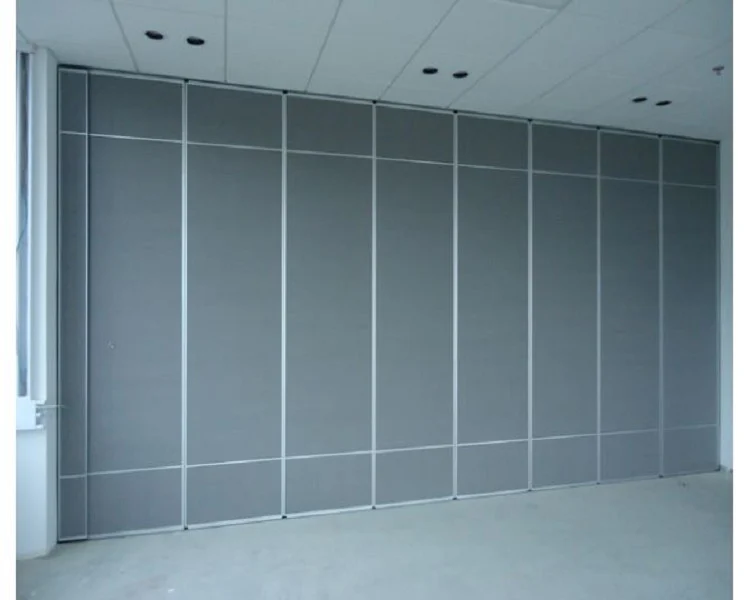
Top-hung movable partition panels are individually movable, suspended from a top track, cross the opening without a floor track, and park at a planned stacking position. Because the system depends on an overhead route rather than a floor track, the readiness of the overhead condition and the surrounding interfaces directly affects whether track fixing can proceed without interruption.
A crew mobilized into an unready zone cannot simply start work and adjust later. Track fixing is tied to datum, structure, and adjacent trades. If those prerequisites are unresolved, the crew may be unable to complete its scope, and remobilization becomes a separate coordination event. The gate below is a planning tool, not a performance guarantee.
Access and Logistics Prerequisites Before Crew Arrival
Coordination scope: movable partition track fixing crew.
Access is the first readiness category because it determines whether crews and materials can reach the work face. Verify that the route from the site entry to the zone is clear, that lifting or hoisting arrangements are coordinated where required, and that the zone itself is free of obstructions that would prevent track positioning.
Confirm that the work face is reachable at the required height and that adjacent trades have demobilized from the overhead zone. Where the route passes through occupied areas, confirm that protection and sequencing are agreed. These are coordination checks, not assumptions about crew size or duration.
Access verification checklist
- Route from site entry to zone is clear and agreed with the site manager.
- Overhead work face is unobstructed and accessible.
- Adjacent trades have vacated the track fixing zone.
- Material staging position is identified and protected.
- Site access times and any permit requirements are confirmed.
Datum, Setting-Out, and Dimensional Verification
Checklist focus: movable partition track fixing crew.
Datum and setting-out establish where the track will sit relative to the opening, the structure, and the finished floor. Before mobilization, confirm that the project datum is available in the zone, that setting-out marks are visible and agreed, and that the opening dimensions match the reviewed layout.
Because panels are top-hung and cross the opening without a floor track, the overhead line and its relationship to the opening are critical. Any discrepancy between the reviewed drawing and the site condition should be resolved before the crew arrives. Visible references can support layout discussion but do not verify hidden construction or performance.

Datum and dimensional checks
- Confirm the project datum is accessible in the zone.
- Verify setting-out marks for the track line are visible and agreed.
- Compare opening dimensions against the reviewed layout.
- Check that the overhead route is continuous and connected where movement is planned.
- Record any deviation for drawing review before mobilization.
Interface Coordination with Adjacent Trades and Structure
Review focus: movable partition track fixing crew.
Track fixing interfaces with structure, ceilings, finishes, and adjacent partitions. Each interface should be reviewed against the project drawings to confirm that the supporting condition and the track route are coordinated. Where the layout includes straight, turning, or stacking routes, confirm that each route has been reviewed and that the parking position is planned.
Pass-door requirements and project documentation can be discussed with the supplier, but they must be confirmed against the specific layout. The exact route, junction arrangement, continuous overhead path and parking position must be confirmed from the coordinated project drawings. The purpose of interface coordination is to close open questions before the crew is on site.
Interface readiness evidence note
Evidence boundary: A visible ceiling, a finish sample, or a drawing line does not by itself confirm structural capacity, acoustic performance, or installation outcome. Confirm support, acoustic, and dimensional requirements for the specific project before mobilizing track fixing crews.
Stacking, Parking, and Route Review
Project review term: movable partition track fixing crew.
Parking style is customized to the customer layout and project requirements and may support compact stacking when the coordinated design permits it. Before mobilization, confirm that the planned stacking position is clear, that the route to it has been reviewed, and that no fixed elements obstruct the movement path.
Every proposed movement path requires a continuous connected overhead route and project-specific support review. If the layout includes turning routes, confirm that the turning condition has been reviewed and that the stacking zone is dimensionally compatible with the reviewed design.
Route and parking verification
- Straight, turning, and stacking routes reviewed against the layout.
- Parking position identified and clear of obstructions.
- Overhead route is continuous and connected where movement is planned.
- Stacking zone dimensions confirmed against project drawings.
Finish and Documentation Readiness
Coordination scope: movable partition track fixing crew.
Confirmed finish options include laminate, melamine, fabric, leather, glass, and other approved surfaces. Finish selection should be coordinated with the project documentation so that the reviewed specification matches what is planned for the zone.
Project documentation should include the reviewed layout, the track route, the parking position, and any pass-door requirements. Where documentation is incomplete, resolve it before mobilization. The supplier can discuss project documentation, but the contractor remains responsible for confirming site conditions and interfaces.
Mobilization Decision Checklist
Use the following checklist as a final gate before confirming crew mobilization. Each item should be closed with visible evidence or a documented confirmation, not with an assumption.
| Readiness category | Verification question | Status |
|---|---|---|
| Access | Is the route and work face clear and agreed? | Open / Closed |
| Datum | Are datum and setting-out marks available and agreed? | Open / Closed |
| Dimensions | Do opening dimensions match the reviewed layout? | Open / Closed |
| Interfaces | Are structure and adjacent trade interfaces coordinated? | Open / Closed |
| Route | Is the overhead route continuous and reviewed? | Open / Closed |
| Parking | Is the stacking position clear and dimensionally confirmed? | Open / Closed |
| Documentation | Are layout, route, and pass-door requirements documented? | Open / Closed |

Frequently Asked Questions
What does zone readiness mean for movable partition track fixing?
Zone readiness means the access, datum, dimensional, interface, route, parking, and documentation prerequisites have been verified before the crew arrives. It is a coordination gate, not a performance claim.
Can track fixing crews mobilize before the ceiling is complete?
That depends on the project-specific support and interface review. The overhead condition and route must be confirmed against the drawings. Do not assume that an incomplete ceiling is acceptable without project-specific confirmation.
How should contractors verify the overhead route?
Review the layout for straight, turning, and stacking routes. Confirm that every proposed movement path has a continuous connected overhead route and that the supporting condition has been reviewed for the specific project.
What documentation should be ready before mobilization?
The reviewed layout, track route, parking position, and any pass-door requirements should be documented. Project documentation can be discussed with the supplier, but site conditions remain the contractor’s responsibility to confirm.
Do finish selections affect track fixing readiness?
Finish options include laminate, melamine, fabric, leather, glass, and other approved surfaces.
What should happen if a discrepancy is found during verification?
Record the deviation and resolve it through drawing review before mobilizing the crew. Remobilization is a separate coordination event, so closing discrepancies early supports smoother installation planning.
Conclusion: Verify Before You Mobilize
Track fixing crew mobilization should follow verified zone readiness, not precede it. The exact overhead route and support arrangement must be confirmed by the responsible project team from coordinated drawings.
Review the movable wall systems, explore additional planning resources, or contact us to discuss your project documentation and readiness checks.