
Quick answer: track fixing crew induction phased
Review focus: track fixing crew induction phased.
A track fixing crew induction phased handover plan is not a single briefing. It is a controlled sequence that aligns the fixing crew, the site team and the handover schedule before any overhead route is treated as ready. For overseas contractors, architects and renovation teams, the value of the induction is that it separates confirmed product facts from project-specific requirements that still need drawing review. EBUNGE movable wall panels are individually movable, suspended from a top track, cross the opening without a floor track, and park at a planned stacking position. Those facts shape the induction, but they do not replace project support, acoustic or dimensional confirmation.
Why a Phased Handover Changes the Induction
Project review term: track fixing crew induction phased.
A phased handover splits a building into zones that become usable at different times. The track fixing crew may be asked to work in one zone while another is still being finished. The induction must therefore explain what is fixed, what is provisional and what must wait for the next phase.
The risk is not only physical. If the crew assumes that a visible overhead line is the final route, they may treat a temporary condition as permanent. The induction should state that every proposed movement path requires a continuous connected overhead route and project-specific support review. This is a boundary, not a performance claim.
What the induction should not do
It should not promise acoustic results, service life or financial outcomes. The suitability of each route and parking arrangement depends on the approved layout, circulation, ceiling interfaces and operating sequence. Visible references can support layout discussion but do not verify hidden construction or performance.
Pre-Induction Information Pack
Coordination scope: track fixing crew induction phased.
Before the crew arrives, the project team should assemble a pack that reflects the current design. The pack is a coordination tool, not a substitute for approved drawings.
- Current layout drawings showing straight, turning and stacking routes.
- Confirmed finish schedule, including laminate, melamine, fabric, leather, glass or other approved surfaces.
- Pass-door requirements and any project documentation that affects the opening.
- Phased handover zones and the sequence in which they are released.
- Points requiring project-specific support, acoustic and dimensional confirmation.
Where information is missing, the induction should record it as an open item rather than filling the gap with an assumption.
Induction Session Structure
Checklist focus: track fixing crew induction phased.
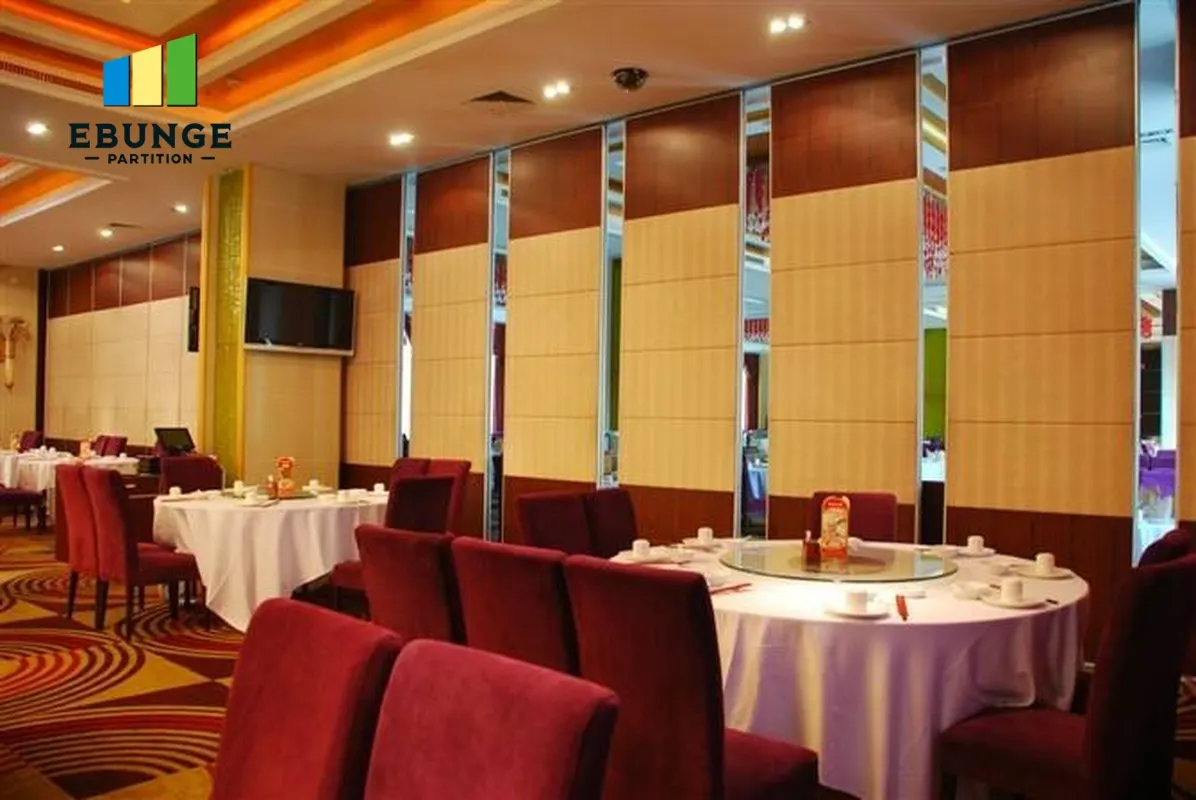
A useful induction moves from context to route to responsibility. It should be short enough to hold attention and specific enough to prevent improvisation.
- Open with the project scope and the phased handover sequence.
- Confirm the top-hung principle: panels are suspended from a top track and cross the opening without a floor track.
- Walk through the straight, turning and stacking routes as shown on the reviewed layout.
- Identify parking positions and explain that parking style is customized to the layout and project requirements.
- Review finish handling for the approved surfaces in the current phase.
- Confirm who resolves dimensional, support and acoustic questions before work proceeds.
- Record attendance, questions and open items for the next phase.
Route review is not a performance test
Walking the route helps the crew understand geometry and sequence. Those matters require matching project evidence and should be confirmed separately.
Drawing Review and Evidence Boundaries
Review focus: track fixing crew induction phased.
The induction should teach the crew to read the drawing for what it shows and to stop where it does not. A drawing can show a route, a stacking position and a finish reference.
| Induction topic | What can be confirmed | What needs project-specific review |
|---|---|---|
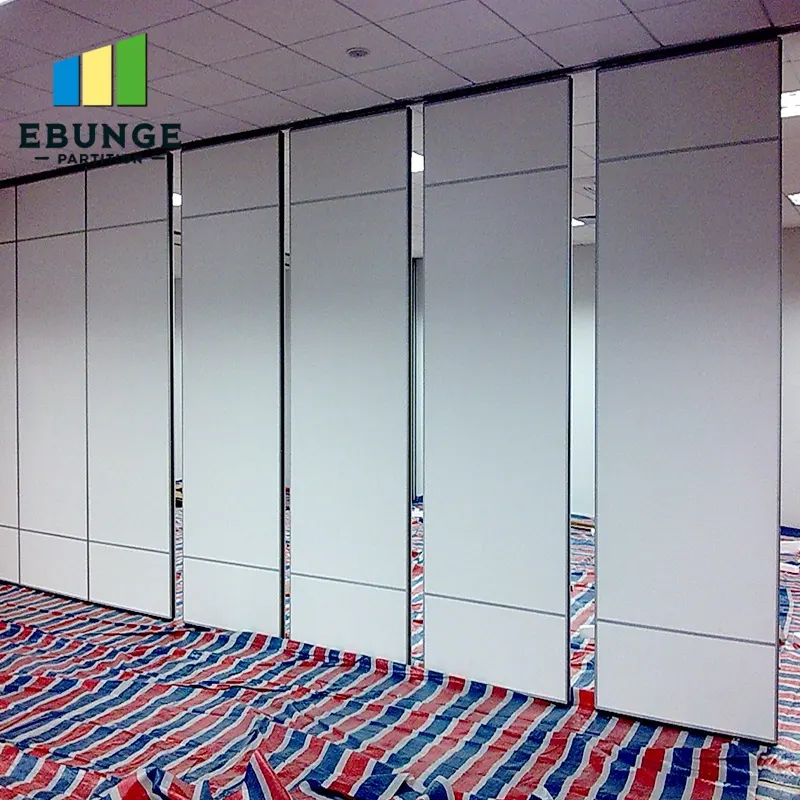
| Overhead route | Straight, turning and stacking paths shown on the layout | Support conditions and continuous connected overhead route |
| Floor interface | No continuous floor running track along the partition line | Finished floor level and dimensional coordination |
| Finish | Approved surface options such as laminate, melamine, fabric, leather or glass | Cleaning compatibility and project-specific finish approval |
| Acoustic concept | STC and Rw are rating concepts used in discussion | Project acoustic requirement and supporting evidence |
This table is a coordination aid. It does not authorize any performance conclusion. Where a question falls outside the confirmed facts, the induction should direct it to the project team for drawing review.
Phased Handover Coordination Checklist
Use this checklist at the end of each phase to keep the next induction consistent.
- Are the current layout drawings the latest approved revision?
- Have the straight, turning and stacking routes been reviewed for this phase?
- Are parking positions coordinated with the layout and project requirements?
- Are pass-door requirements and project documentation available?
- Are finish selections confirmed for the surfaces being handled?
- Are open support, acoustic and dimensional questions assigned to a named reviewer?
- Has the crew been reminded not to infer hidden performance from a visible shape or finish?
For related planning context, see the movable walls product page and the resources section. These links support orientation; they do not replace project-specific confirmation.
Common Induction Gaps and How to Close Them
Panel handling and the operating sequence must be confirmed for the selected layout and project conditions. The induction should make those gaps visible.
Assuming a route is final
A route shown in one phase may change in the next. The crew should work only from the reviewed layout for the current phase and treat earlier versions as superseded.
Treating a finish as a performance claim
A finish sample shows appearance and approved surface type. The induction should separate finish approval from performance confirmation.
Leaving dimensional questions to the crew
Dimensional coordination belongs to the project review process. The crew should report conditions that differ from the drawing rather than adjusting the design on site.
FAQ
What is a track fixing crew induction phased handover?
It is a structured briefing that prepares the track fixing crew for work delivered in phases. It covers the reviewed layout, the top-hung principle, route and parking coordination, finish handling and the open items that require project-specific confirmation.
Do movable partitions need a floor track?
EBUNGE movable wall panels are top-hung and cross the opening without a continuous floor running track or floor hardware along the partition line. The exact overhead route and support arrangement must be confirmed by the responsible project team from coordinated drawings.
Can the induction confirm acoustic performance?
No. The project acoustic requirement needs matching evidence.
Which finishes can be discussed during induction?
Confirmed finish options include laminate, melamine, fabric, leather, glass and other approved surfaces. The induction should refer to the approved finish schedule for the phase and avoid inferring cleaning or performance properties from appearance.
How should parking be explained to the crew?
Parking style is customized to the customer layout and project requirements and may support compact stacking when the coordinated design permits it. The crew should follow the reviewed stacking position for the current phase.
What should happen when a drawing is unclear?
The crew should stop and raise the question through the project review process. The induction should name the person responsible for resolving support, acoustic and dimensional questions before work continues.
Conclusion and Next Step
A track fixing crew induction phased handover plan works when it stays inside confirmed facts and visible evidence. The crew should understand the top-hung system, the reviewed routes, the parking position and the finish schedule, while treating support, acoustic and dimensional matters as project-specific questions. This approach reduces improvisation and keeps each phase aligned with the approved documentation.
To discuss pass-door requirements, project documentation or the next phase of coordination, contact the EBUNGE team. Confirm project-specific support, acoustic and dimensional requirements before proceeding.