
Quick answer: track fixing crew
Review focus: track fixing crew.
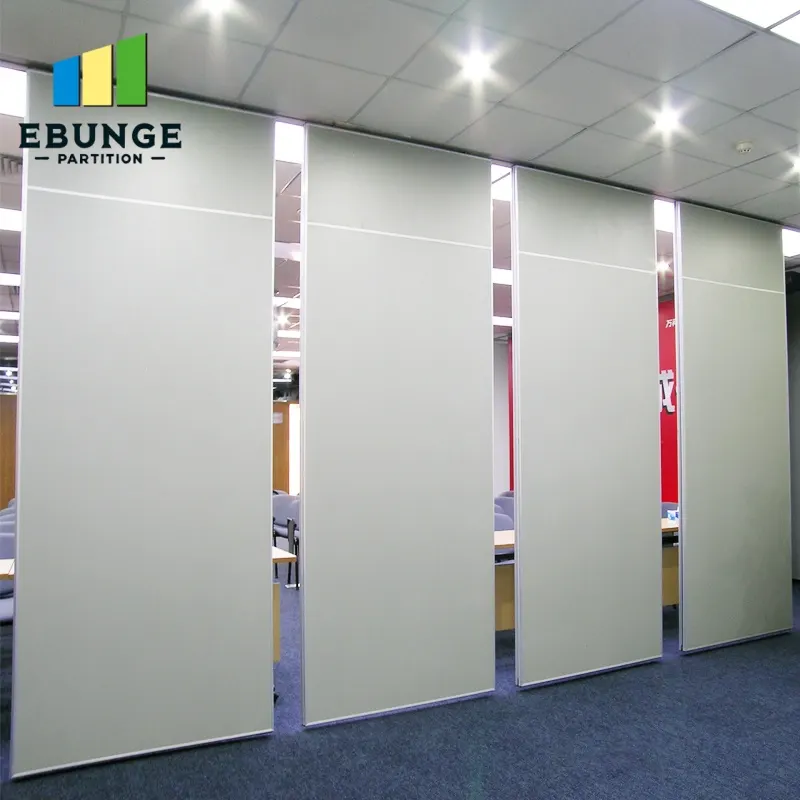
A track fixing crew first-fix setting-out plan is the bridge between a design drawing and a safe, coordinated installation. The exact overhead route and support arrangement must be confirmed by the responsible project team from coordinated drawings. EBUNGE movable partition panels are individually movable, suspended from a top track, cross the opening without a floor track, and park at a planned stacking position. That single fact shapes every setting-out decision. The exact route, junction arrangement, continuous overhead path and parking position must be confirmed from the coordinated project drawings.
Why First-Fix Setting-Out Deserves Its Own Plan
First-fix setting-out is the stage where positions are marked and the overhead route is established before finishes close the ceiling. If the setting-out is wrong, later trades inherit the problem. The suitability of each route and parking arrangement depends on the approved layout, circulation, ceiling interfaces and operating sequence.
The plan should describe what is being set out, who checks it, and which drawing revision governs. It should also record what remains unconfirmed. Treating setting-out as a checklist rather than a single measurement reduces the risk of rework and keeps responsibility visible.
Information the Setting-Out Plan Should Capture
Before any line is marked, the project team should assemble the information that the track fixing crew will rely on. The list below is a starting point; the actual scope depends on the project drawings and the confirmed system configuration.
- Current architectural and reflected ceiling plans, with revision numbers.
- Confirmed opening width, height and the intended stacking position.
- The straight, turning and stacking routes reviewed from the layout.
- Ceiling build-up, soffit condition and any known obstructions.
- Interface points with other trades, including lighting and services.
- Approved finish schedule where it affects visible panel edges.
- Pass-door requirements, if a pass door is part of the design.
- Inspection and sign-off responsibilities.
Reading the Overhead Route Correctly
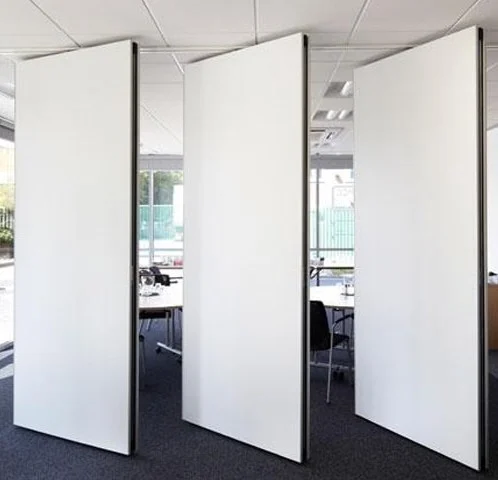
Because the panels are top-hung, the overhead route must be continuous and connected wherever movement is proposed. The setting-out plan should therefore show the full path from the closed position to the parking position, including any turn.
Straight, turning and stacking routes are reviewed from the layout. This review is a drawing exercise first and a site exercise second. If the layout shows a turn, the setting-out must reflect the geometry that the track will follow. If the layout shows a compact stacking area, the plan should confirm that the area is clear of conflicting services.
What the crew needs on site
The crew needs a clear datum, agreed levels and a marked route that matches the reviewed layout. They also need to know which conditions must be reported rather than resolved on the spot. Any deviation from the drawing should be recorded and referred back to the project team.
Coordination With Other Trades
Track fixing rarely happens in isolation. Ceiling grids, ductwork, sprinkler runs and lighting supports may all occupy the same zone. Early coordination meetings should identify who moves first and what access is required.
The plan should name the trade responsible for each interface and the sequence in which the work will proceed. Where a conflict is found, the resolution belongs in the drawings, not in an informal site decision.
A simple coordination sequence
- Issue the current drawing set to all affected trades.
- Walk the route on site and compare it with the layout.
- Record conflicts and refer them for a coordinated response.
- Confirm the agreed route before marking begins.
- Sign off the setting-out before the ceiling is closed.
Evidence Boundaries and Specification Language
A track fixing crew first-fix setting-out plan specification should describe positions, routes and responsibilities.
Where acoustic separation matters, the project team should confirm the required rating and the supporting documentation for the specific configuration.
Evidence note: visible finishes, drawings and photographs do not prove acoustic, fire, load or durability performance. Confirm project-specific support, acoustic and dimensional requirements before relying on any assumption.
Common Setting-Out Mistakes to Avoid
Most first-fix problems are avoidable. The following mistakes appear repeatedly on flexible-space projects.
| Mistake | Why it causes problems | Better approach |
|---|---|---|
| Marking from an unconfirmed datum | Levels drift between trades | Agree one datum and record it |
| Ignoring the stacking route | Panels cannot park as planned | Review the full route from the layout |
| Closing ceilings too early | Access and inspection are lost | Sign off setting-out first |
| Treating finishes as performance proof | Unsupported assumptions spread | Confirm with project documentation |
Finishes, Pass Doors and Documentation
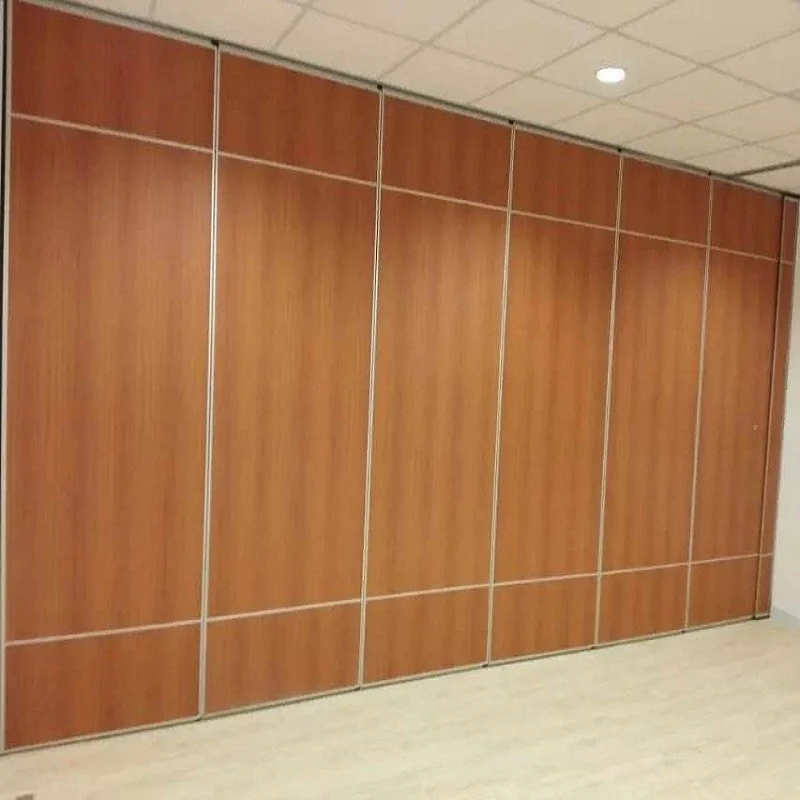
Confirmed finish options include laminate, melamine, fabric, leather, glass and other approved surfaces. Where a pass door is required, pass-door requirements and project documentation can be discussed with the supplier so the setting-out reflects the intended opening.
Documentation should travel with the setting-out plan: drawing revisions, agreed deviations and inspection records.
Frequently Asked Questions
What is a track fixing crew first-fix setting-out plan?
It is a coordinated plan that defines the positions, levels and overhead route for the track before ceilings and finishes are closed. It links the reviewed layout to the work carried out on site.
Does the plan need to show the stacking position?
Yes. Parking style is customized to the customer layout and project requirements, so the stacking position should be shown and reviewed as part of the route.
Can the panels cross a gap without a track?
No. The overhead route must be continuous and connected wherever movement is proposed. Every proposed movement path requires project-specific support review.
How should acoustic requirements be handled?
Confirm the required rating and the supporting documentation for the specific configuration.
Which finishes can be considered?
Confirmed options include laminate, melamine, fabric, leather, glass and other approved surfaces.
When should the setting-out be signed off?
Before ceilings are closed and before finishes conceal the route. Early sign-off protects access for inspection and reduces rework.
Conclusion and Next Steps
A disciplined track fixing crew first-fix setting-out plan keeps the overhead route, the stacking position and the trade interfaces visible before they are hidden. Start with the current drawings, review the straight, turning and stacking routes, and record what still needs confirmation. Do not infer performance from finishes or photographs.
For project-specific guidance, review the movable wall systems, explore the planning resources, or contact the team to discuss pass-door requirements and project documentation.