
Quick project answer
Review focus: track fixing crew first anchor.
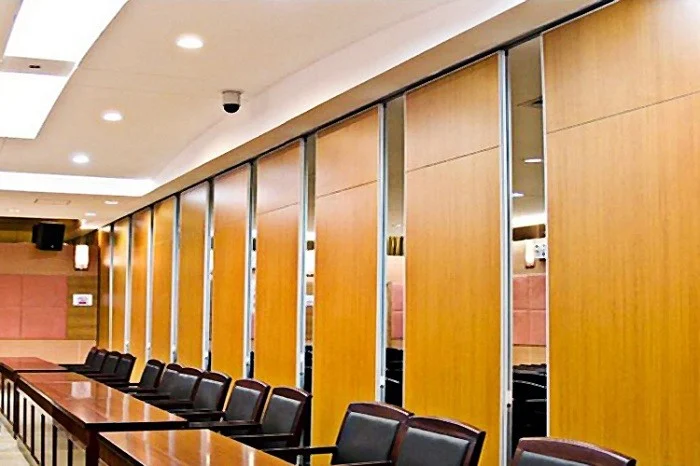
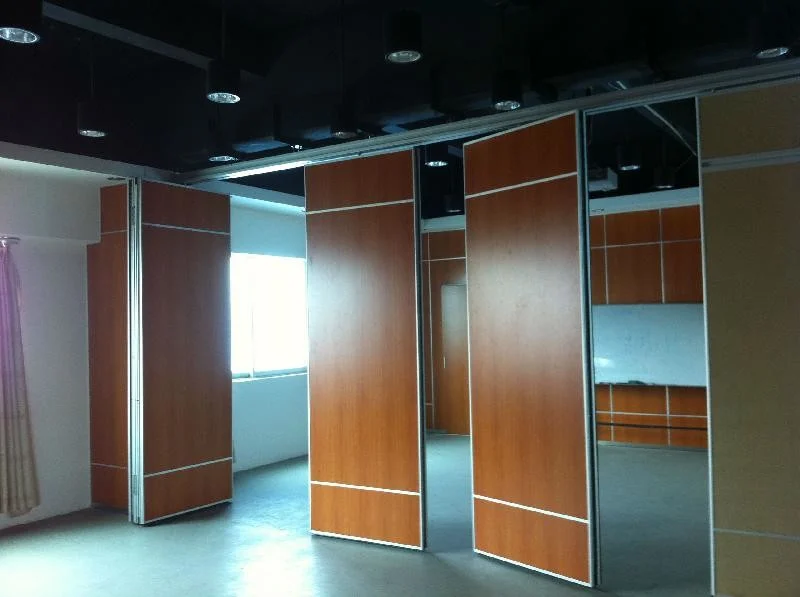
Track fixing crew first anchor shift planning is a coordination exercise, not a guess. For top-hung movable partitions, panels are individually movable, suspended from a top track, cross the opening without a floor track, and park at a planned stacking position. The first anchor shift sets the tone for the whole installation, so contractors should treat it as a drawing-led, evidence-bounded milestone rather than a race to drill.
This guide is for overseas contractors, architects, interior designers, owners, renovation companies, distributors and construction teams. It explains what to review before the crew starts, how to coordinate with other trades, and where project-specific confirmation is required. The suitability of each route and parking arrangement depends on the approved layout, circulation, ceiling interfaces and operating sequence.
What the first anchor shift actually covers
Project review term: track fixing crew first anchor.
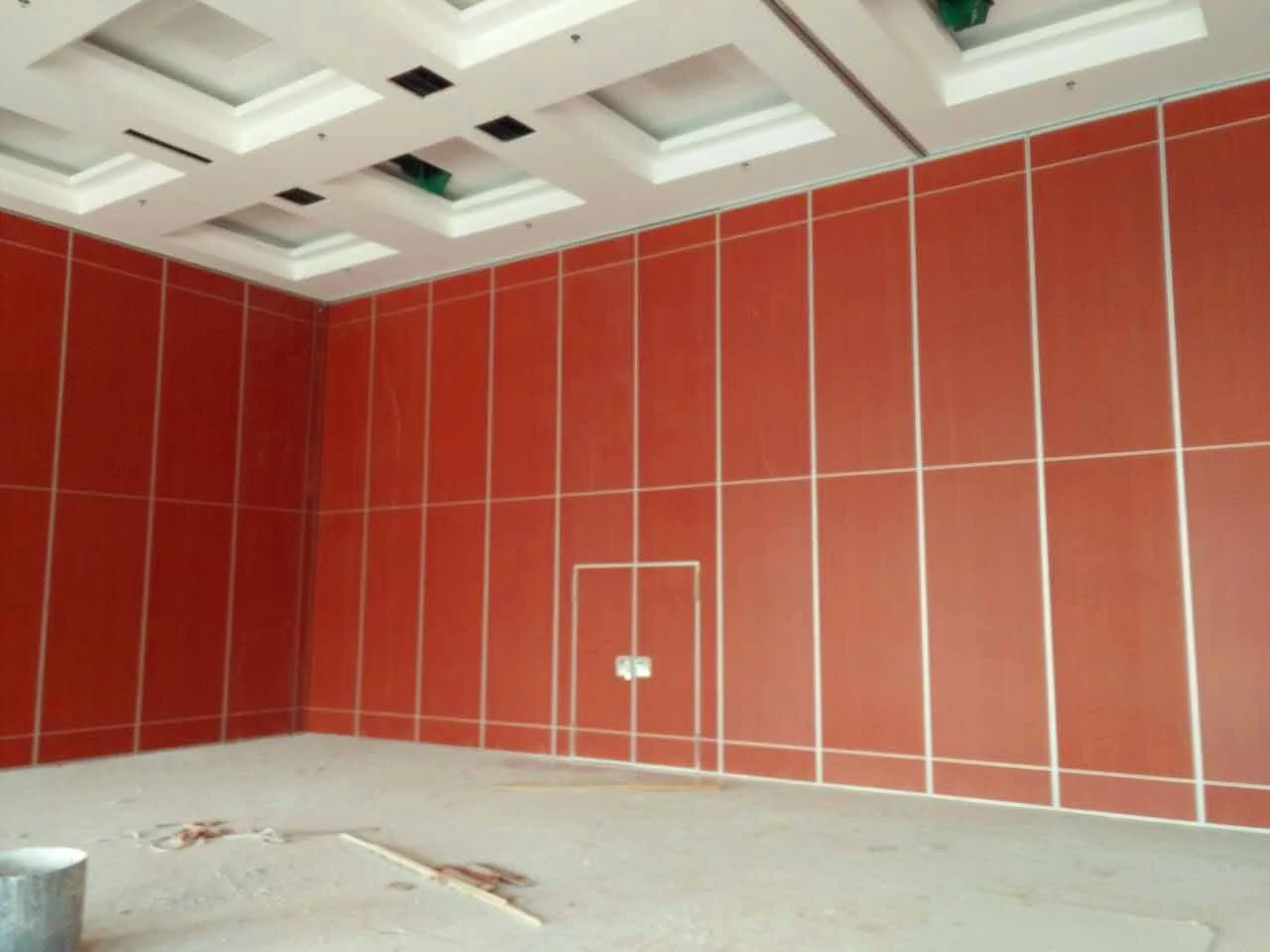
The first anchor shift is the initial placement and fixing of the overhead track support route. Because the system is top-hung, the track carries the panels and defines the movement path. Straight, turning and stacking routes are reviewed from the layout, so the first shift should follow the approved route rather than an assumed line.
Before work begins, confirm that the layout shows the opening, the parking position and any turning points. The exact route, junction arrangement, continuous overhead path and parking position must be confirmed from the coordinated project drawings. That is a planning boundary, not a performance claim.
Information to collect before mobilisation
- Approved layout drawing showing straight, turning and stacking routes.
- Reflected ceiling plan and coordination drawings from other trades.
- Project-specific support and fixing details confirmed by the responsible engineer.
- Finish schedule for laminate, melamine, fabric, leather, glass or other approved surfaces.
- Pass-door requirements and any project documentation needed for handover.
Review the route before the crew arrives
Coordination scope: track fixing crew first anchor.
Route review is the highest-value pre-shift activity. Walk the opening and the parking area with the drawing in hand. Check that the planned stacking position is reachable and that the overhead route is continuous. If the layout shows a turn, verify that the turn is part of the connected track route.
Do not infer support capacity, load values or fixing spacing from a drawing alone. Those items require project-specific confirmation. The crew should know which details are approved and which are still open.
Coordination with other trades
Track fixing rarely happens in isolation. A short coordination meeting before the first shift can prevent rework. The goal is to agree who moves what, and when, without inventing engineering conclusions.
If a conflict appears, pause and escalate.
Evidence boundaries for the first anchor shift
Checklist focus: track fixing crew first anchor.
Contractors should separate maintained product facts from project-specific requirements. The following evidence note helps teams avoid unsupported statements in method statements and site instructions.
Evidence note: EBUNGE movable partition panels are top-hung and move without a continuous floor running track or floor hardware along the partition line. Parking style is customized to the customer layout and project requirements and may support compact stacking when the coordinated design permits it. Named venues are examples only.
If acoustic separation matters, confirm the project-specific requirement with the responsible acoustic consultant.
A numbered process for the first anchor shift
Review focus: track fixing crew first anchor.
- Confirm the approved layout. Check straight, turning and stacking routes against the drawing.
- Verify the overhead route.
- Review support details. Use only project-specific fixing and support information confirmed by the responsible engineer.
- Coordinate services. Resolve clashes with ceiling, lighting and other trades before fixing.
- Set out the first anchor position. Mark the starting point from the approved drawing, not from assumption.
- Fix and check. Install the first anchor, then verify alignment against the route before continuing.
- Record and hand over. Note any deviations and confirm pass-door and documentation requirements.
Decision checklist for the crew leader
Project review term: track fixing crew first anchor.
Use this checklist at the start of the shift. It is deliberately short so it can be read aloud on site.
| Check | Confirm before fixing |
|---|---|
| Drawing | Latest approved layout with route and parking position |
| Route | Continuous connected overhead path; no untracked gap |
| Support | Project-specific fixing details confirmed by the responsible engineer |
| Services | Ceiling, lighting and other trade clashes resolved |
| Finish | Approved surface type recorded for the panel schedule |
| Documentation | Pass-door and handover requirements discussed |
Common planning mistakes to avoid
One common mistake is treating the first anchor shift as a purely physical task. In practice, it is a coordination task. Visible references can support layout discussion but do not verify hidden construction or performance. It does not. Visible evidence has limits.
A third mistake is planning the parking position without checking the stacking route. Parking style is customized to the layout, so the stacking position should be agreed before the crew starts. If the layout changes, revisit the route review.
What to do when information is missing
Stop and ask. Missing support details, unclear route drawings or unresolved service clashes are reasons to pause. The first anchor shift can be rescheduled more easily than it can be corrected after fixing.
FAQ: track fixing crew first anchor shift planning
What is the first anchor shift in a movable partition installation?
It is the initial placement and fixing of the overhead track support route. Because the system is top-hung, this first shift defines the starting alignment for the movement path.
Do movable partitions need a floor track?
No. EBUNGE movable partition panels are top-hung and move without a continuous floor running track or floor hardware along the partition line.
Can the crew plan the route from the layout alone?
The layout is the starting point, but straight, turning and stacking routes must be reviewed against project-specific support and dimensional requirements. Do not infer hidden performance from a drawing.
Which finish options can be discussed for the panels?
Confirmed finish options include laminate, melamine, fabric, leather, glass and other approved surfaces. Cleaning compatibility and project suitability should be confirmed separately.
How should acoustic performance be handled?
Provide the current layout, opening dimensions, ceiling information, intended room use, and relevant project drawings for review. The exact overhead route and support arrangement must be confirmed by the responsible project team from coordinated drawings.
What documentation should be discussed before the shift?
Pass-door requirements and project documentation can be discussed with the project team. Confirm what is needed for handover before the crew mobilises.
Conclusion and next step
Planning a track fixing crew’s first anchor shift is about drawing review, route continuity, trade coordination and honest evidence boundaries. Confirm project-specific support, acoustic and dimensional requirements before fixing. For product context, review the movable partition wall page and the resources section. When your team is ready to discuss pass-door requirements, finishes or documentation, contact EBUNGE to coordinate the next step.