
Quick answer: track fixing crew daily task
Review focus: track fixing crew daily task.
Movable partition track fixing crew daily task allocation is a planning discipline that keeps installation moving when multiple zones compete for the same labor, access and inspection windows. This framework helps overseas contractors, architects and construction teams structure daily work without inventing performance, engineering or commercial conclusions. It assumes the confirmed product facts: panels are individually movable, top-hung from a track, cross the opening without a floor track, and park at a planned stacking position. Straight, turning and stacking routes must be reviewed from the layout. Finish options include laminate, melamine, fabric, leather, glass and other approved surfaces. Pass-door requirements and project documentation can be discussed with EBUNGE.
Why Daily Task Allocation Matters for Track Fixing
Project review term: track fixing crew daily task.
Track fixing is a sequence-dependent activity. The overhead route must be continuous and supported before panels can travel. If crews jump between zones without a rotation plan, access conflicts, incomplete support checks and rework can multiply. A daily allocation framework gives each crew a clear zone, a defined task boundary and a handover point.
Panel handling and the operating sequence must be confirmed for the selected layout and project conditions. It is a coordination method. The goal is to maintain installation continuity while respecting project-specific support, acoustic and dimensional requirements. Every recommendation here must be checked against the approved drawings and site conditions.
Pre-Planning Inputs Before Any Crew Is Assigned
Coordination scope: track fixing crew daily task.
Before allocating daily tasks, gather the information that determines what can be fixed and where. Missing inputs are the most common cause of idle crews.
- Approved layout drawings showing straight, turning and stacking routes.
- The suitability of each route and parking arrangement depends on the approved layout, circulation, ceiling interfaces and operating sequence.
- Zone boundaries, access routes and material staging areas.
- Panel parking positions and stacking clearances from the coordinated design.
- Pass-door locations and any project documentation requirements.
- Inspection and sign-off points required by the main contractor or owner.
If any item is unresolved, mark it as a hold point. Do not let a crew begin track fixing in a zone where the support route or dimensional coordination is still open.
Zone Rotation Framework for Track Fixing Crews
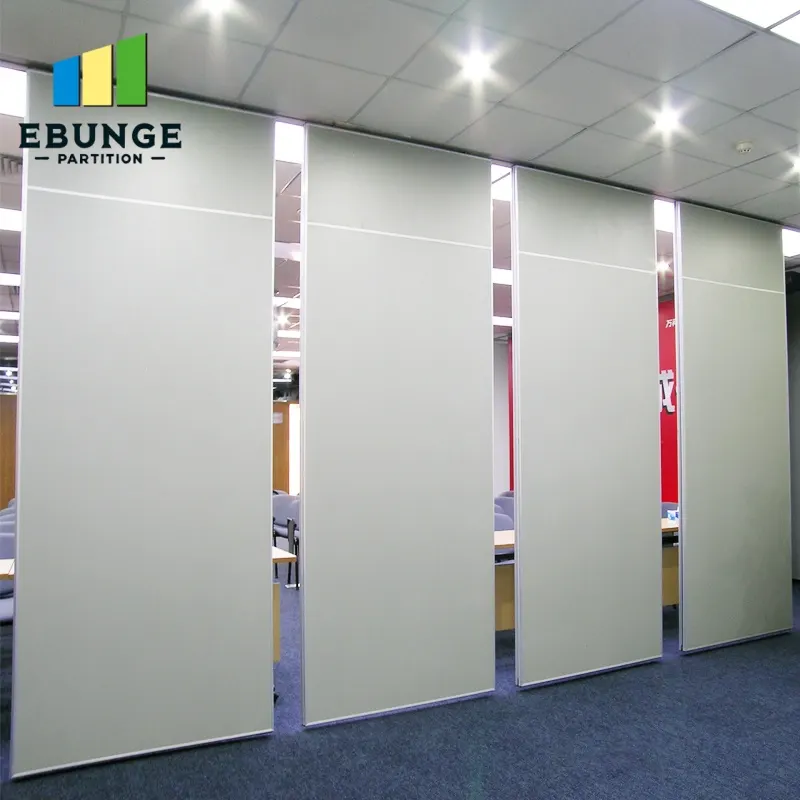
Zone rotation means moving crews through defined areas in a planned order rather than letting them choose the nearest open floor. The rotation should follow the track route logic, not convenience.
Define Zones by Route Logic
Divide the project into zones that match the movement path: approach zone, turning zone, stacking zone and pass-door zone. Each zone has its own track fixing tasks and its own readiness criteria.
Set a Rotation Sequence
A typical sequence starts where the overhead route is fully supported and works toward the parking position. The sequence must be confirmed against the actual layout.
Use Handover Gates
Each zone rotation should include a handover gate: a short check that the previous zone’s track fixing is complete, documented and ready for the next activity. Handover gates prevent crews from building on incomplete work.
Daily Task Allocation Template
Use a simple daily allocation table to assign crews, zones and task types. The table below is a planning structure, not a performance claim.
| Day | Zone | Task Type | Readiness Check |
|---|---|---|---|
| Day 1 | Zone A – approach | Track fixing and support verification | Support route confirmed |
| Day 2 | Zone B – turning | Track fixing and alignment review | Zone A handover signed |
| Day 3 | Zone C – stacking | Track fixing and parking clearance check | Turning route reviewed |
| Day 4 | Zone D – pass-door | Track fixing and pass-door coordination | Documentation updated |

Adjust the number of days and zones to the project. The important part is that each row has a readiness check that must be true before work starts.
Coordinating Crews Across Multiple Zones
When two crews work in adjacent zones, their tasks can conflict at shared track junctions. Assign one crew to own the junction and define the handover point in writing. The other crew should not fix track past that point until the junction is confirmed.
Keep a daily coordination note that records zone status, open hold points and the next rotation. This note is a planning tool, not a certification. It helps the site team avoid assumptions about completed work.
Evidence Boundaries and Project-Specific Confirmation
Do not infer performance from a finish, drawing or photograph.
Every track fixing plan must be reviewed against project-specific support, acoustic and dimensional requirements. Confirm pass-door needs and project documentation with EBUNGE before finalizing the installation sequence.
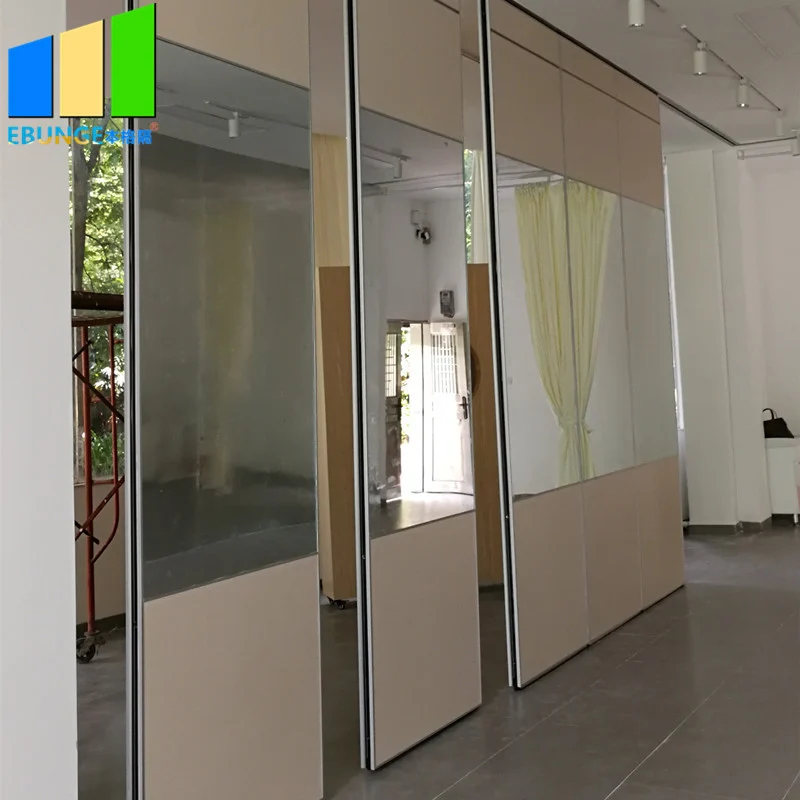
For product context, see the movable walls product page. For general planning resources, visit the resources page. To discuss a specific project, use the contact page.
Frequently Asked Questions
What is movable partition track fixing crew daily task allocation?
It is a planning method that assigns track fixing tasks to crews by zone and day, with readiness checks and handover gates to maintain installation continuity.
Can crews rotate between zones without a fixed sequence?
Rotation should follow the track route logic and support readiness. A fixed sequence is safer because it prevents crews from building on incomplete track work.
Does this framework guarantee acoustic performance?
No.
What information is needed before allocating daily tasks?
Approved layout drawings, support information, zone boundaries, parking positions, pass-door locations and inspection requirements are the core inputs.
How should pass-door requirements be handled?
Pass-door requirements should be discussed with EBUNGE and coordinated with the track route and zone plan before installation begins.
Can this framework be used for any venue type?
Yes, as a planning structure. Named venues are examples only. Movable partitions can be considered wherever flexible spatial division or reconfiguration is required, subject to project-specific review.
Conclusion and Next Steps
A disciplined approach to movable partition track fixing crew daily task allocation helps contractors keep zones moving without skipping support checks or handover gates. Start with approved drawings, define zones by route logic, set a rotation sequence and use daily readiness checks. Confirm all project-specific support, acoustic and dimensional requirements before work begins.
To discuss your project documentation, pass-door needs or layout review, contact EBUNGE.