
Quick answer: track datum ceiling void depth change coordination
Review focus: track datum ceiling void depth change coordination.
Track datum ceiling void depth change coordination is the process of fixing the vertical and horizontal reference for a top-hung movable partition track when the ceiling void is not constant. Because EBUNGE movable partition panels are individually movable, suspended from a top track, cross the opening without a floor track, and park at a planned stacking position, the track datum is the single reference that ties the ceiling interface, the panel route and the parking zone together. When the void depth changes, that reference must be re-confirmed rather than assumed.
What the Track Datum Actually Controls
Project review term: track datum ceiling void depth change coordination.
The track datum is the agreed elevation and alignment from which the overhead track is set out. It is not simply a ceiling height. The exact route, junction arrangement, continuous overhead path and parking position must be confirmed from the coordinated project drawings.
For a top-hung system, panels travel below the track and clear the floor. That means the datum influences the relationship between the track, the finished ceiling line and the visible panel edge. The suitability of each route and parking arrangement depends on the approved layout, circulation, ceiling interfaces and operating sequence. Those items require project-specific review.
Why a changing void depth creates a coordination question
A deeper void may offer more space above the ceiling, while a shallower void may reduce it. Neither condition automatically tells the team where the track should sit. The decision depends on the coordinated layout, the support strategy and the finished ceiling plane.
Who Sets the Track Datum?
Coordination scope: track datum ceiling void depth change coordination.
No single party can set the datum in isolation. The architect or interior designer typically defines the finished ceiling intent. The movable partition supplier reviews the track route, turning and stacking requirements from the layout.
The practical answer is that the datum is a shared decision recorded in project documentation. It should be shown on a coordinated drawing and confirmed before ceiling framing is closed. If the void depth changes after that point, the change should be reviewed against the same drawing rather than resolved on site by assumption.
Roles and review points
- Architect or designer: confirms the finished ceiling plane and the visual relationship to the partition.
- Contractor or ceiling installer: reviews the available void, framing and support interface.
- Movable partition supplier: reviews the straight, turning and stacking routes from the layout.
- Owner or operator: confirms how the space is expected to be divided and used.
- Project manager: records the agreed datum and controls later changes.
Information Needed Before the Datum Is Fixed
Checklist focus: track datum ceiling void depth change coordination.
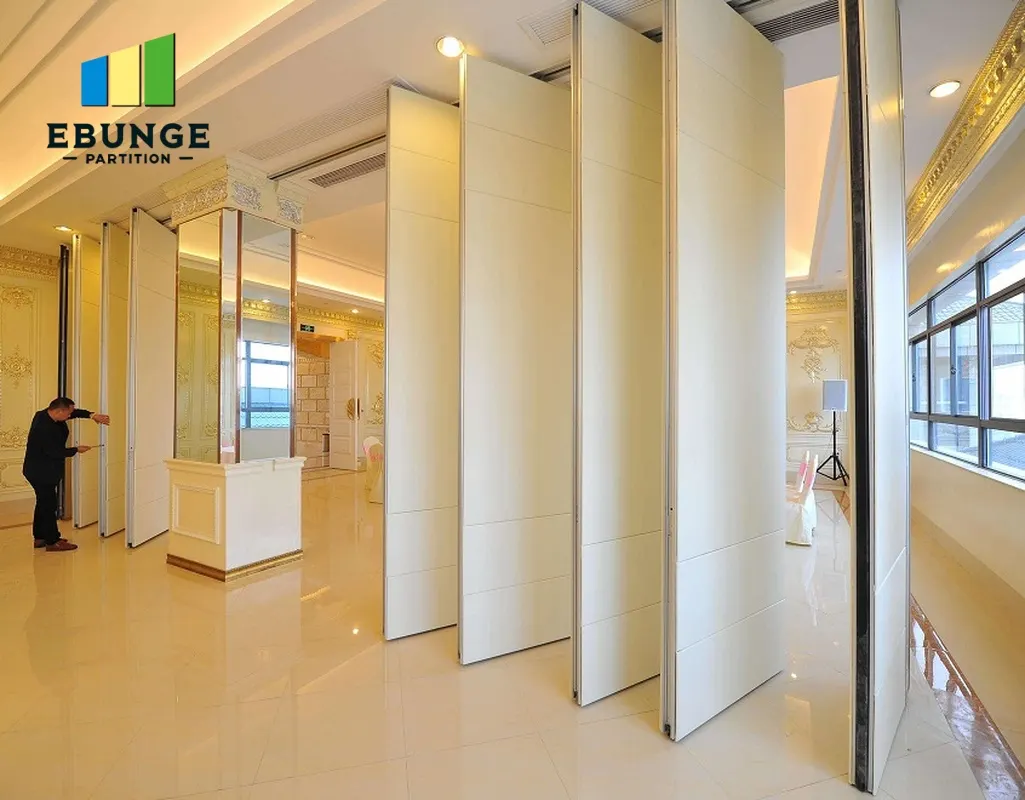
Track datum ceiling void depth change coordination project planning should start with the layout, not with a site measurement alone. The team needs to know where the opening is, how panels will turn, where they will park, and how the finished ceiling will meet the track line. Without that information, a datum set for one condition may not suit another.
Pass-door requirements and project documentation can be discussed with the supplier. Finish options such as laminate, melamine, fabric, leather, glass and other approved surfaces may also affect the visible ceiling interface, so they should be coordinated early.
Decision checklist for the project team
- Has the finished ceiling plane been agreed across the full track route?
- Is the void depth shown as constant, stepped or variable on the coordinated drawing?
- Are the straight, turning and stacking routes clearly marked?
- Has the support strategy for the overhead track been reviewed for the project?
- Are pass-door locations and panel parking positions confirmed?
- Is there a recorded process for reviewing later ceiling changes?
- Have acoustic and dimensional requirements been confirmed for the specific project?
How to Document a Datum Change
Review focus: track datum ceiling void depth change coordination.
When the ceiling void depth changes, the safest approach is to treat it as a documented revision. The revised void condition should be compared with the original datum, the track route and the parking position.
A simple evidence note can prevent confusion. Record the drawing number, the date of the change, the affected route section and the party responsible for confirming the revised condition. This is not a substitute for engineering review. It is a coordination record that helps the team avoid unsupported assumptions.
Numbered process for a void depth change
- Identify the section where the ceiling void depth changes.
- Compare the revised condition with the current track datum drawing.
- Check whether the straight, turning or stacking route is affected.
- Confirm the support and ceiling interface requirements for that section.
- Update the coordinated drawing and record the revision.
- Reissue the information to the relevant project parties.
- Confirm the final datum before ceiling closure and track installation.
Evidence Limits and Acoustic Concepts
Visible references can support layout discussion but do not verify hidden construction or performance. Those statements require corresponding evidence. Where evidence is not available, the correct position is to state the confirmation boundary clearly and direct the question to the project-specific review process.
Evidence note: Do not infer support capacity, acoustic rating or dimensional fit from a ceiling void depth, a finish sample or a track drawing alone. Confirm project-specific support, acoustic and dimensional requirements with the responsible parties.
Common Coordination Mistakes to Avoid
One common mistake is setting the datum from a single ceiling height and then discovering that the void changes elsewhere. Another is allowing ceiling services to be installed before the track route is reviewed. A third is treating the parking position as a site decision rather than a layout decision.
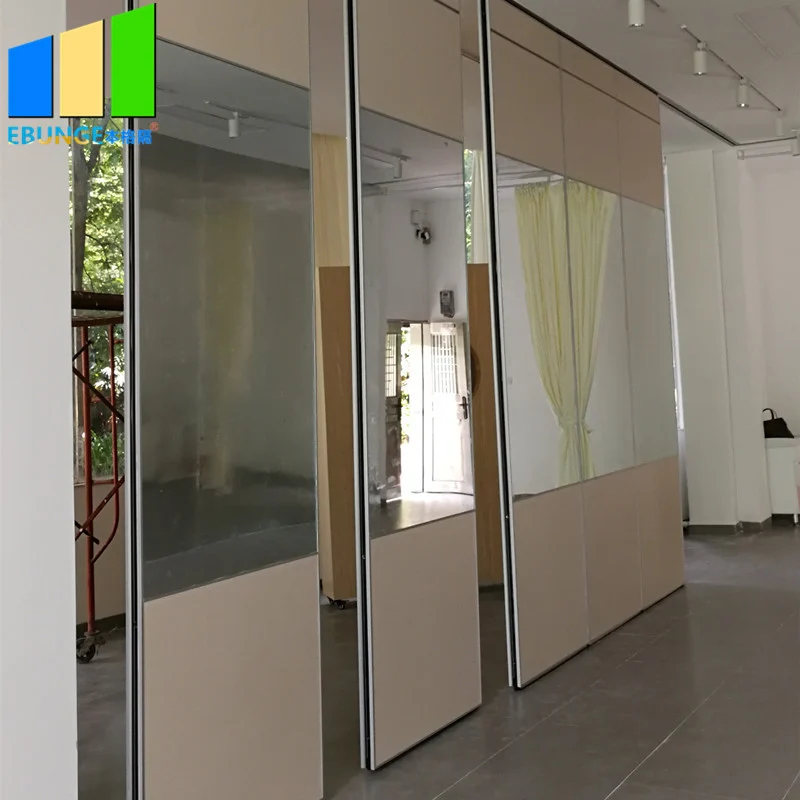
Because panels are individually movable and park at a planned stacking position, the parking zone must be coordinated with the same datum. If the void depth changes near the stacking area, the team should review whether the revised condition still suits the planned route.
Compact comparison: fixed datum versus revised datum
| Item | Fixed datum | Revised datum |
|---|---|---|
| Ceiling void depth | Assumed constant | Documented change |
| Drawing status | Original issue | Updated and reissued |
| Route review | Straight, turning and stacking routes checked once | Affected sections rechecked |
| Support review | Project-specific confirmation required | Project-specific confirmation required |
| Acoustic claim | Not established by datum | Not established by datum |

Frequently Asked Questions
Who is responsible for setting the track datum?
It is a shared responsibility. The designer defines the ceiling intent, the contractor reviews the ceiling and support interface, the movable partition supplier reviews the track route from the layout, and the owner confirms operational expectations. The agreed datum should be recorded in project documentation.
What should happen when the ceiling void depth changes?
The change should be documented and compared with the current track datum drawing. The affected straight, turning or stacking route should be reviewed, and the revised information should be reissued to the relevant parties before ceiling closure.
Does a deeper ceiling void improve acoustic performance?
No. Project-specific acoustic requirements should be confirmed separately.
Can the track datum be adjusted on site without a drawing revision?
Site adjustment without documentation creates coordination risk. If the void depth changes, the revised condition should be reviewed against the layout and recorded so that the ceiling interface, route and parking position remain coordinated.
What information should be confirmed before installation?
Confirm the finished ceiling plane, the void condition along the full route, the straight, turning and stacking routes, pass-door requirements, finish selections and the project-specific support, acoustic and dimensional requirements.
Do movable partitions need a floor track?
EBUNGE movable partition panels are top-hung and move without a continuous floor running track or floor hardware along the partition line. The overhead route still requires a continuous connected path and project-specific support review.
Conclusion
Track datum ceiling void depth change coordination is not a single trade’s decision. It is a documented agreement between design, construction, supply and ownership. When the void depth changes, the datum should be reviewed against the layout, the route and the parking position, and the result should be recorded before work proceeds.
Keep every recommendation tied to maintained product facts and visible evidence limits. Confirm project-specific support, acoustic and dimensional requirements with the responsible parties. For product context, review the movable partition wall page and the resources section. To discuss pass-door requirements, project documentation or a specific ceiling interface, contact EBUNGE.