
How to Trace a Bidder's Track Interface Assumptions Back to the Tender
Quick project answer
When several bidders price the same movable wall package, their proposals can look similar while resting on very different track interface assumptions. To trace bidder track interface assumptions tender query log entries is to rebuild the link between what the tender asked, what the bidder answered, and what the drawing actually shows. This article sets out a review method for contractors, architects, designers, owners and procurement teams who need that link to be visible before award, not discovered during installation.
Why Track Interface Assumptions Drift During Tendering
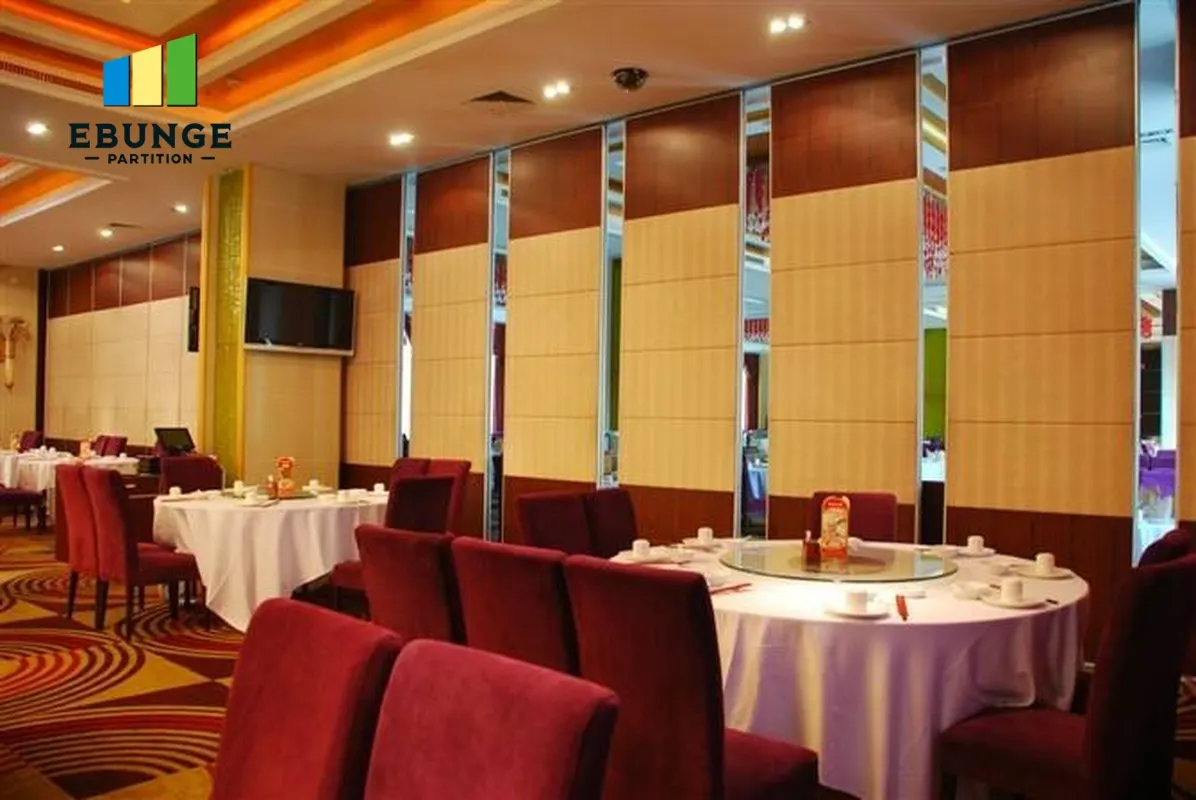
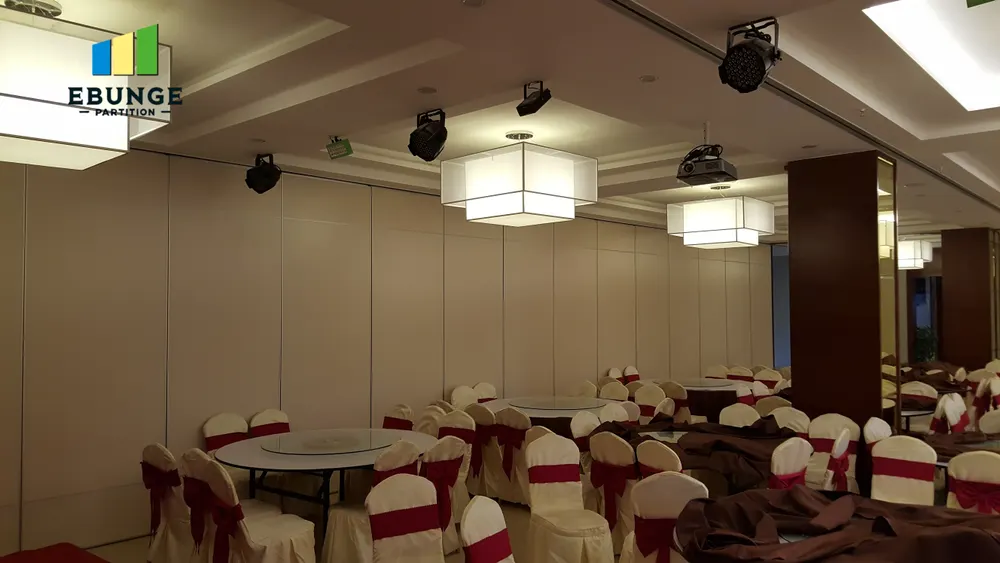
Movable wall panels are individually movable and suspended from a top track. They cross the opening without a floor track and park at a planned stacking position. The exact overhead route and support arrangement must be confirmed by the responsible project team from coordinated drawings.
Bidders often answer only part of that chain. The exact route, junction arrangement, continuous overhead path and parking position must be confirmed from the coordinated project drawings. It may show a stacking position that the architectural drawing does not reserve. None of this is necessarily wrong, but each unstated assumption becomes a commercial and coordination risk once the bid is accepted.
Build the Query Log Before You Read the Bids
The tender query log is only useful if it is structured. Before opening submissions, confirm that every clarification, response and drawing revision is logged with a date, an author and a reference to the drawing or specification clause it affects.
What each log entry should carry
- A unique query number and the date raised.
- The exact tender reference, drawing number or specification clause in question.
- The bidder’s question in its original wording.
- The issuing party’s response and the date issued.
- Any drawing revision or addendum triggered by the response.
- A status field: open, answered, superseded or withdrawn.
This structure lets a reviewer move in both directions: from a bid statement back to the query that produced it, and from a query forward to every bid that should reflect it.
A Four-Step Trace From Bid Statement to Log Entry
- Extract the assumption. The suitability of each route and parking arrangement depends on the approved layout, circulation, ceiling interfaces and operating sequence.
- Match it to a query. Search the log for the drawing or clause that assumption depends on. If no entry exists, mark it as unlogged.
- Check the response version. Confirm the bidder relied on the latest issued response, not a superseded one.
- Record the gap. Note whether the assumption is confirmed by the tender, contradicted by it, or simply outside its scope.
Unlogged assumptions are the most important output of this exercise. They are not automatically errors, but they must be converted into queries and answered before comparison or award.
Compare Bidder Positions Side by Side
A compact comparison table makes divergence visible. The table below is a review template, not a statement about any bidder’s capability.
| Interface topic | What the tender states | What the bidder assumes | Log reference | Status |
|---|---|---|---|---|
| Overhead route | Drawing reference | Bidder’s described route | Query number | Confirmed / unlogged / conflict |
| Turning geometry | Layout requirement | Bidder’s interpretation | Query number | Confirmed / unlogged / conflict |
| Stacking position | Reserved zone | Bidder’s parking assumption | Query number | Confirmed / unlogged / conflict |
| Structural interface | Referenced information | Bidder’s stated basis | Query number | Confirmed / unlogged / conflict |
Keep the wording neutral. The purpose is to expose what is evidenced, not to rank bidders on inferred quality.
Read the Drawings for Route Continuity, Not Appearance
Straight, turning and stacking routes are reviewed from the layout. A reviewer should follow the proposed path from the open position to the parking position and confirm that the overhead route is continuous and connected throughout.
Finish schedules deserve the same discipline. Confirmed finish options include laminate, melamine, fabric, leather, glass and other approved surfaces.
Evidence note: a visible line on a drawing shows intent, not capacity. Support, fixing and structural adequacy require project-specific review by the responsible parties.
Handle Acoustic and Pass-Door Statements Carefully
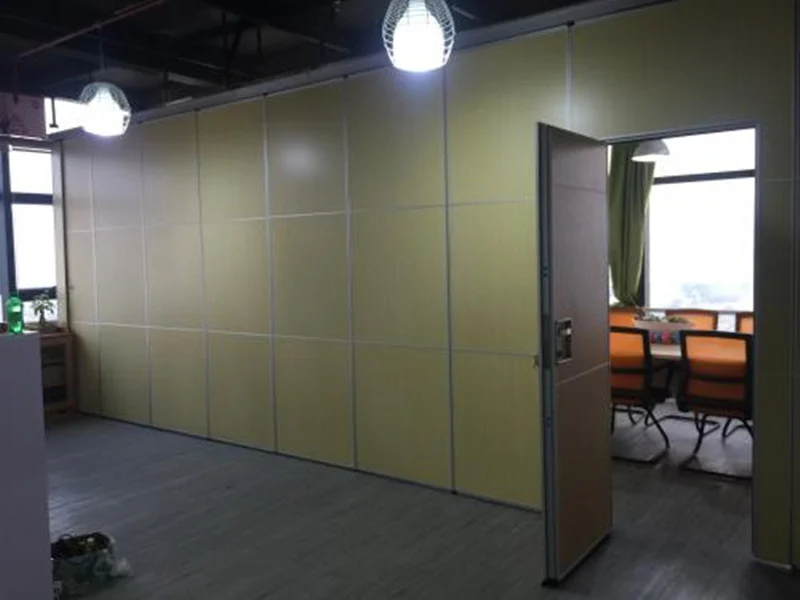
Pass-door requirements should also appear in the log. Ask bidders to state how a pass door is addressed in their proposal and whether the tender documentation defines it. Where documentation is incomplete, raise a query rather than accepting an assumption.
Close the Loop Before Award
Before recommending a bidder, confirm that every material interface assumption has a log reference and a current response. Reissue the log with the award recommendation so the successful bidder’s basis is documented. For product context, see the movable walls range; for planning material, review the resources library.
Where the layout, structure or documentation is unresolved, record it as an open query rather than filling the gap with inference.
Frequently Asked Questions
What is a tender query log in a movable wall package?
It is the controlled record of questions raised during tendering and the responses issued, linked to the drawings and clauses they affect. It allows each bid statement to be traced to a documented basis.
How do I trace a bidder’s track interface assumptions back to the tender query log?
Extract each assumption from the bid, match it to a log entry, confirm the response version relied on, and record whether it is confirmed, unlogged or in conflict.
What if a bidder’s assumption has no log entry?
Treat it as unlogged. Raise a formal query, obtain a written response, and update the log before comparing bids or proceeding to award.
Can a bid drawing prove structural adequacy of the track support?
No. A drawing communicates design intent.
Should acoustic ratings in a bid be compared directly?
Only with care. Confirm the rating refers to the proposed configuration and is supported by documentation. Visible references can support layout discussion but do not verify hidden construction or performance.
When should the query log be closed?
Not before every material interface assumption has a current, referenced response. Reissue the log with the award recommendation so the basis remains visible.
Conclusion and Next Step
Tracing assumptions is a documentation discipline, not a judgement about any bidder. A maintained query log, a consistent extraction method and a side-by-side comparison keep the review grounded in what has actually been confirmed.
If your team is preparing a tender or reviewing submissions, contact EBUNGE to discuss pass-door requirements, layout routes and project documentation.