
When planning a conference room that needs to flex between large presentations, breakout sessions, and private meetings, the choice of a top-hung operable partition can define the space’s usability. Unlike floor-mounted systems, a top-hung operable partition slides on an overhead track without a floor rail, offering a clean, uninterrupted floor surface. This design is particularly valuable in conference rooms where furniture, cabling, and foot traffic must move freely. For school project buyers, the decision involves more than aesthetics—it requires balancing acoustic performance, operational ease, and long-term reliability. This guide walks you through the key considerations, from technical specifications to practical implementation, helping you prepare for a successful quotation and installation.
In short: A top-hung operable partition is ideal for conference rooms that require flexible space division without a floor track. It offers superior acoustic isolation when paired with proper seals and high-STC-rated panels. For school projects, prioritize systems with durable top-hung track systems, easy operation, and customization to match your room dimensions. Always share your opening size, acoustic target, and preferred finish with suppliers to get accurate quotes and timelines.
1. Why Choose a Top-Hung Operable Partition for Conference Rooms?
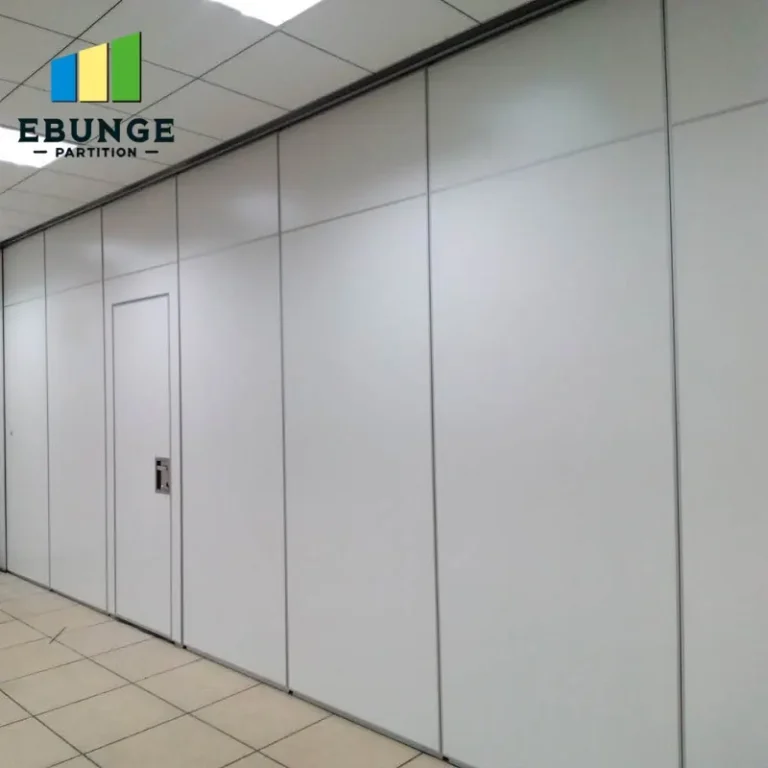
Conference rooms often serve multiple functions: a single large space for all-hands meetings, divided smaller rooms for workshops, or private areas for confidential discussions. A top-hung operable partition provides the flexibility to reconfigure the space quickly. The absence of a floor rail eliminates trip hazards and allows for seamless flooring materials like carpet, tile, or wood. This is especially important in educational institutions where safety and accessibility are paramount. Additionally, top-hung systems distribute the panel weight along the overhead structure, reducing wear on the floor and enabling smoother operation. For school project buyers, this means less maintenance and a longer lifespan for the partition.
Need help turning the top-hung operable partition requirements into a practical project layout?
2. Acoustic Performance: Understanding STC Ratings
Acoustic control is often the primary concern in conference rooms. The Sound Transmission Class (STC) rating measures how well a partition reduces sound transmission. A higher STC rating indicates better sound insulation. For conference rooms, an STC of 40-50 is typical, but for spaces requiring confidentiality, STC 50+ may be necessary. Top-hung operable partitions can achieve high STC ratings when combined with perimeter seals (top, bottom, and side) and proper installation. However, the actual acoustic performance depends on the entire wall assembly, including the surrounding structure. When requesting a quotation, specify your target STC and the room’s dimensions. Suppliers can then recommend the appropriate panel thickness, seals, and track configuration.
Key Acoustic Components
- Panel core: Typically made of wood, aluminum, or steel with sound-absorbing infill.
- Perimeter seals: Automatic drop seals at the bottom and compression seals at the top and sides.
- Gaskets: Ensure airtight contact between panels.
- Installation quality: Gaps or misalignments can significantly reduce STC performance.
3. Ease of Operation and Maintenance
In a busy school environment, the partition must be easy to operate and maintain. Top-hung systems typically feature a manual or motorized operation. Manual operation is cost-effective and reliable, but for heavy panels, a motorized system reduces physical strain. Consider the frequency of use: if the partition will be moved daily, a motorized system might be worth the investment. Maintenance involves regular cleaning of the track and rollers, and periodic checks of the seals. Choose a system with accessible components to simplify upkeep. Ask the supplier about recommended maintenance schedules and the availability of spare parts.
4. Durability and Lifespan
School conference rooms experience heavy use, so durability is non-negotiable. The top-hung track system must be robust enough to support the panels without sagging or derailing. Look for tracks made of high-strength aluminum or steel, and rollers with sealed bearings. The panels themselves should be resistant to impacts and scratches. A well-maintained top-hung operable partition can last 20 years or more. During the quotation process, ask about the expected lifespan and warranty terms. Ensure that the warranty covers both parts and labor, and clarify what is excluded.
5. Installation Complexity and Disruption
Installing a top-hung operable partition requires structural support for the overhead track. The ceiling must be able to bear the weight of the panels, which may require additional steel reinforcement. This can add to the installation time and cost. For existing buildings, consider the disruption to ongoing activities. Plan the installation during school holidays or weekends to minimize impact. The supplier should provide a detailed installation plan, including any structural modifications, and a timeline. Ask about the lead time for manufacturing and delivery, and factor that into your project schedule.
6. Customization and Aesthetic Integration
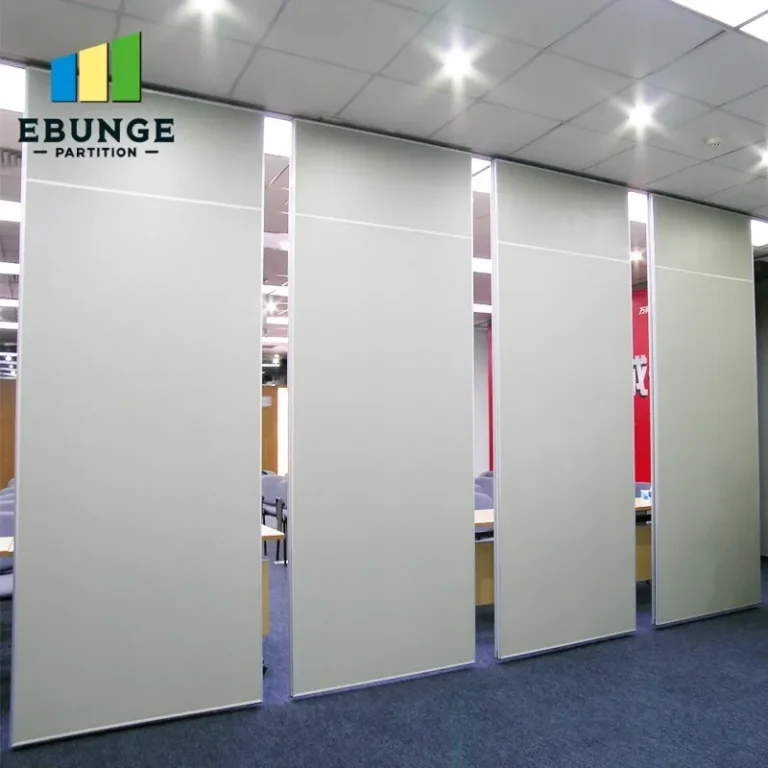
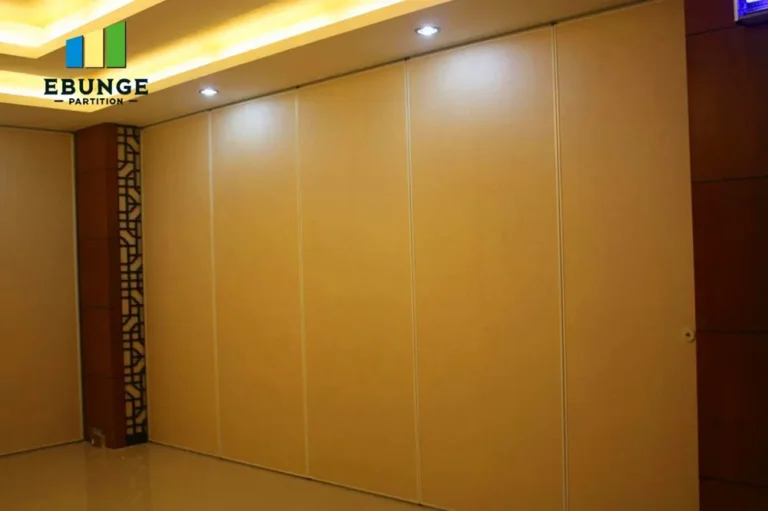
The partition should complement the existing interior design. Top-hung operable partitions offer a range of finishes, including laminates, wood veneers, painted surfaces, and even writable or tackable surfaces. For a conference room, you might want a finish that matches the room’s furniture or a writable surface for brainstorming. Custom sizes are available to fit specific room dimensions, but this may affect cost and lead time. Provide the supplier with your room drawings and finish preferences. They can advise on the best options for your budget and aesthetic goals.
7. Compliance with Building Regulations and Safety
Local building codes may have requirements for fire safety, accessibility, and structural integrity. Ensure that the chosen partition system complies with relevant regulations. For example, fire-rated partitions may be required in certain areas. Accessibility guidelines might dictate the width of openings and operation force. The supplier should be able to provide documentation of compliance. If you are unsure, consult with a building inspector or architect. Include compliance checks in your project plan to avoid delays.
Share the opening, drawings, finish direction, and privacy target for a project-specific review.
8. Total Cost of Ownership
When budgeting, consider not just the initial purchase price but also installation, maintenance, and potential energy savings. Top-hung systems may have a higher upfront cost than floor-mounted ones, but they offer long-term savings through reduced wear and tear and easier maintenance. Obtain a comprehensive quote that includes all components: panels, track, seals, hardware, installation, and any structural work. Compare quotes from multiple suppliers, but prioritize quality and after-sales support over price alone.
9. Preparing for Quotation: What to Share with Suppliers
To get accurate quotes, provide suppliers with the following information:
- Opening size: Width and height of the area to be divided.
- Acoustic target: Desired STC rating.
- Finish preference: Material and color.
- Project location: For structural assessment and compliance.
- Drawings: Floor plans and elevations.
- Usage frequency: To determine manual vs. motorized operation.
This information helps suppliers recommend the right system and provide a reliable timeline. Clear communication reduces the risk of misunderstandings and change orders.
Comparison: Top-Hung vs. Floor-Mounted Operable Partitions
| Feature | Top-Hung Operable Partition | Floor-Mounted Operable Partition |
|---|---|---|
| Floor track | None | Required |
| Installation complexity | Requires ceiling reinforcement | Simpler, but floor track installation |
| Acoustic performance | Can achieve high STC with proper seals | Similar, but floor track may leak sound |
| Maintenance | Track and rollers need periodic checks | Floor track cleaning and obstruction |
| Safety | No trip hazard | Potential trip hazard |
| Cost | Higher initial cost | Lower initial cost |
| Flexibility | Can be configured for multiple stacks | Limited by floor track layout |
10. Warranty and After-Sales Support
A reliable warranty is crucial for peace of mind. Look for a warranty that covers the track system, panels, and hardware for at least 5-10 years. After-sales support should include responsive customer service and availability of spare parts. Ask for references from other school projects to gauge the supplier’s reliability. A good supplier will offer guidance on maintenance and be available for troubleshooting.
11. Case Considerations: School Project Buyer’s Checklist
- Define the room’s acoustic requirements (STC rating).
- Measure the opening size and ceiling height.
- Check structural support for the top-hung track.
- Select finish and customization options.
- Obtain quotes with detailed breakdowns.
- Verify compliance with local building codes.
- Plan installation with minimal disruption.
- Confirm warranty and after-sales support.
12. Conclusion
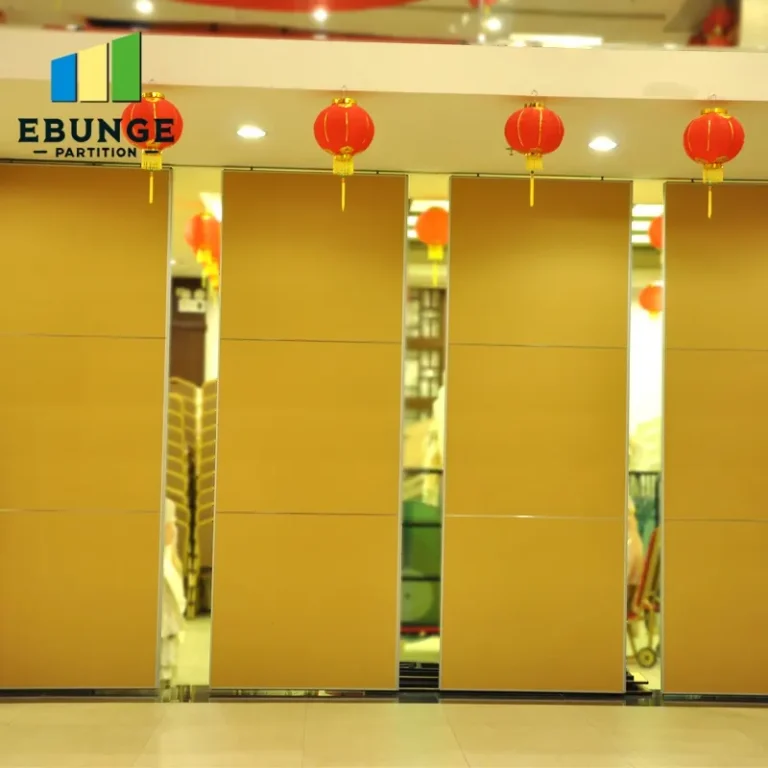
Choosing a top-hung operable partition for your conference room is a strategic decision that impacts acoustics, aesthetics, and functionality. By focusing on your specific needs—acoustic performance, ease of operation, durability, and customization—you can select a system that serves your school for years. Remember to share detailed information with suppliers to receive accurate quotations and timelines. For more insights, explore our movable partition wall resources and blog articles. When ready, contact us to discuss your project requirements.
Frequently Asked Questions
What is the maximum height for a top-hung operable partition?
Can a top-hung operable partition provide soundproofing for confidential meetings?
How long does installation typically take?
What maintenance is required for a top-hung operable partition?
Can the partition be customized to match our interior design?
For more design ideas and technical guidance, visit our Movable Partition Design Ideas section.
Send the opening size and drawings to discuss a differentiated top-hung operable partition solution.