
Quick project answer
Review focus: tender query triage.
The suitability of each route and parking arrangement depends on the approved layout, circulation, ceiling interfaces and operating sequence. On overseas projects, queries arrive from contractors, architects, interior designers, owners and distributors at different stages. Some are commercial, some are dimensional, and some touch acoustic or support conditions that cannot be resolved from a drawing alone. A triage process keeps the tender moving while protecting the project from unsupported claims.
The goal is not to answer every query immediately. It is to route each one to the right evidence, flag what must be confirmed against project-specific drawings, and keep the specification aligned with maintained product facts. This article sets out a practical triage framework for procurement and tender review coordination.
Why Operable Wall Queries Need Their Own Triage Route
Project review term: tender query triage.
A Four-Step Triage Process for Incoming Queries
Coordination scope: tender query triage.
Record the interface decision in the drawing set
Before the drawing package is released, place the partition line, the adjacent wall-mounted item, and the intended interface on the same coordinated view. Identify the drawing number, revision, responsible discipline, and open decision beside the detail. For tender query triage, this creates a traceable review point without assuming that a typical detail applies to the current room. The project team can then compare reflected ceiling plans, elevations, sections, and equipment layouts against one current reference.
Use a short interface register to record what is confirmed, what remains open, who owns the next response, and which revision will close the item. The register should distinguish a dimensional input from a product selection and from an installation sequence. That separation helps reviewers avoid treating an early coordination note as an approved construction instruction.
- Log the query against its interface. Tag it as track and support, route and parking, finish, acoustic concept, dimensional coordination, or documentation. This prevents a finish question from being answered with an acoustic assumption.
- Check whether the answer is already maintained. If the query asks what the system does, use confirmed product facts. If it asks how it performs on this project, it needs project-specific confirmation.
- Separate evidence from inference. Visible references can support layout discussion but do not verify hidden construction or performance.
- Route to the responsible reviewer.
What Belongs in the Query Log
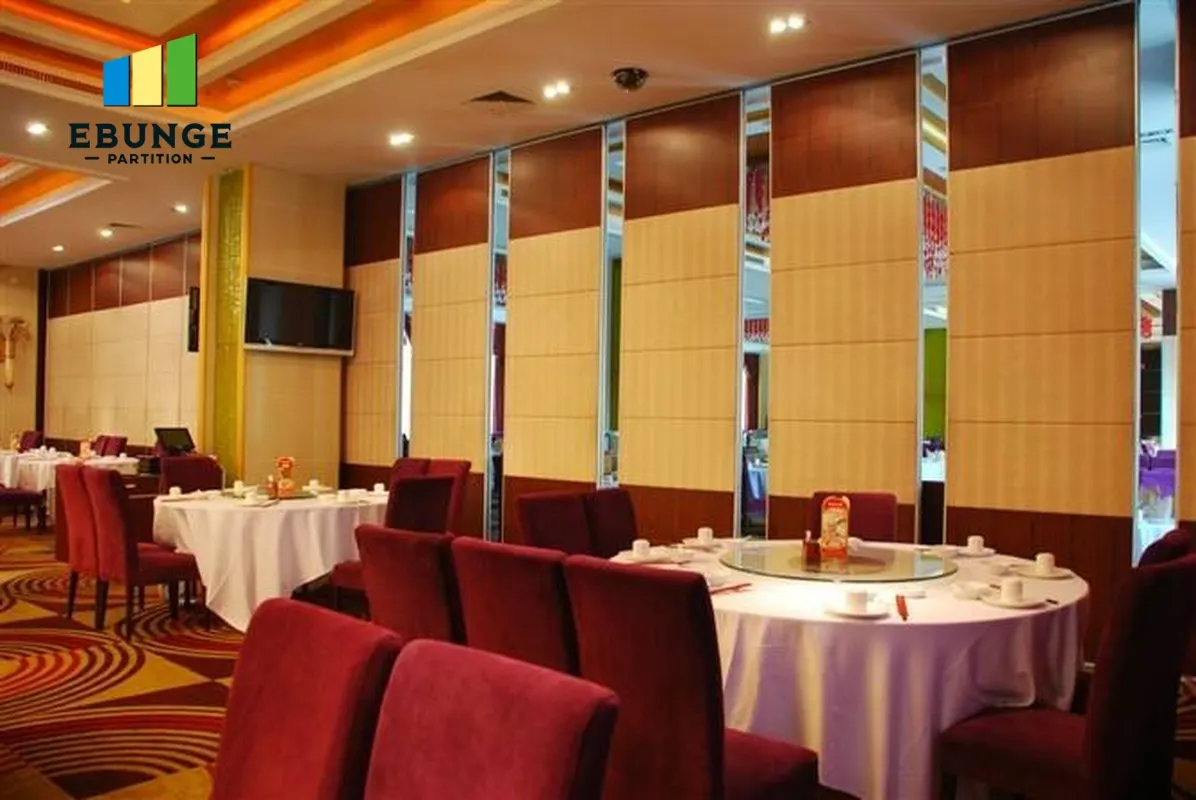
A useful log records the query text, the drawing or specification clause it references, the interface category, the evidence needed, the reviewer and the response status. It should also record what was explicitly not confirmed, so the tender file shows the boundary rather than hiding it.
Sorting Queries by Evidence Type
Most tender queries fall into three evidence types. The first is maintained product fact: what the system is and how it is described. The exact route, junction arrangement, continuous overhead path and parking position must be confirmed from the coordinated project drawings. The third is commercial or programme information, which should follow the project’s own procurement rules.
| Query type | Typical question | Evidence route |
|---|---|---|
| Maintained product fact | Are panels individually movable and top-hung? | Confirmed product description |
| Project-specific | Does the overhead route suit this layout? | Drawing review and project confirmation |
| Acoustic concept | What does STC or Rw mean here? | Concept explanation plus project-specific confirmation |
| Finish | Which surface options are available? | Confirmed finish options list |
| Documentation | What should be issued with the tender? | Project documentation discussion |
Interface Queries That Usually Need Drawing Review
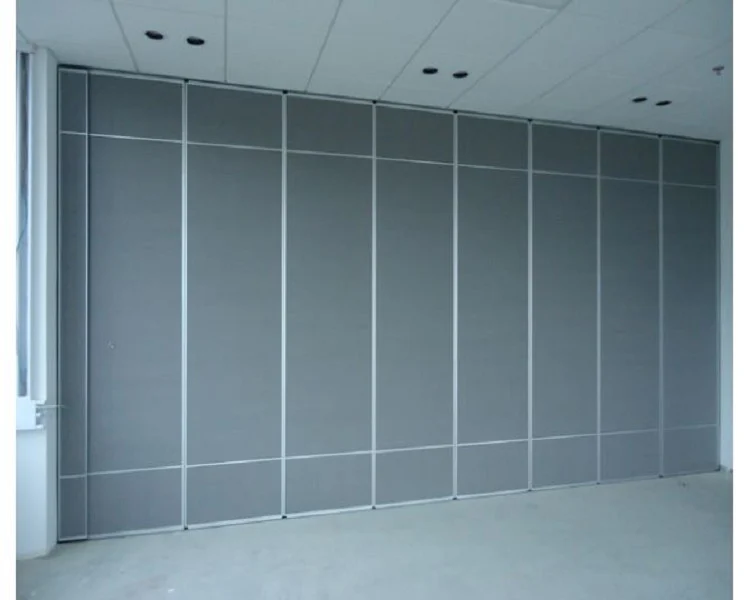
Review responsibilities before document release
Assign each review question to the discipline that controls the relevant document. The architect can confirm room use and visible alignment, the interior package can identify wall-mounted accessories, and the partition supplier can review the supplied opening and interface information. The purpose is not to transfer design responsibility; it is to make the missing input visible before procurement or installation planning proceeds.
For tender query triage, record responses directly against the current issue rather than in an isolated message thread. If a dimension or location changes, reopen the linked interface item and check the affected views again. Keep superseded decisions available for traceability, but mark the current response clearly so estimators, coordinators, and site teams are not working from different assumptions.
Some queries cannot be closed by a product statement. They depend on the coordinated layout and should be routed to drawing review before any tender commitment is made.
- Top track continuity and the overhead route across the opening.
- Straight, turning and stacking route feasibility.
- Parking position and whether compact stacking is possible in the coordinated design.
- Opening width, height and adjacent construction interfaces.
- Pass-door requirements and how they interact with the panel layout.
A proposed movement path requires a continuous connected overhead route.
Finish and Pass-Door Queries in the Tender File
Pass-door requirements and project documentation can be discussed with the supplier. In triage terms, a pass-door query is an interface query because it affects the panel layout and the opening sequence. It should be logged with the route and parking questions, not handled as a standalone accessory request.
Common Triage Mistakes to Avoid
Evidence note: if a tender response cannot point to a maintained product fact or a project-specific confirmation, it should be marked as open rather than closed.
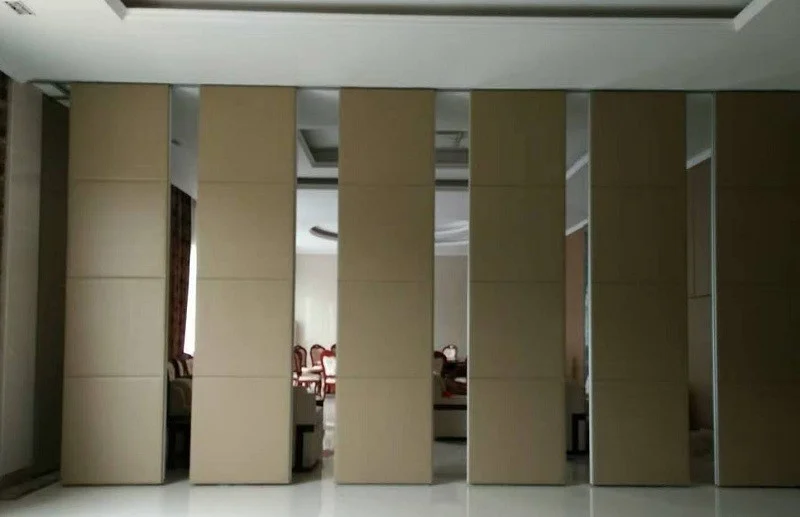
Another mistake is letting one reviewer answer across interfaces. The exact overhead route and support arrangement must be confirmed by the responsible project team from coordinated drawings.
FAQ: Tender Query Triage for Operable Wall Interfaces
What is tender query triage for operable wall interfaces?
It is a structured way of sorting incoming tender questions about movable partitions by interface and evidence type, so each query is answered from maintained product facts or routed for project-specific confirmation.
Which queries need project-specific confirmation?
Support conditions, acoustic requirements, dimensional coordination, route feasibility and parking arrangements all depend on the actual layout and should be confirmed for the project.
Can a finish option be used as acoustic evidence?
No. A finish is a surface choice.
How should STC or Rw be handled in a tender response?
Provide the current layout, opening dimensions, ceiling information, intended room use, and relevant project drawings for review. The exact overhead route and support arrangement must be confirmed by the responsible project team from coordinated drawings.
Do operable walls need a floor track?
EBUNGE movable wall panels are top-hung and cross the opening without a floor track.
When should a query stay open?
If it cannot be answered from maintained product facts or confirmed project information, it should remain open until the responsible reviewer provides the missing evidence.
Conclusion: Keep the Tender File Honest
A tender query triage for operable wall interfaces works when it protects the boundary between what is known and what must be confirmed. Use maintained product facts for system description, route interface questions to drawing review, and keep acoustic, support and dimensional commitments tied to project-specific evidence.
For project planning support, review the operable partition product information, browse the technical resources, or contact the team to discuss pass-door requirements, documentation and layout coordination.