
Quick project answer
Review focus: acoustic partition interfaces.
Tender query triage acoustic partition interfaces is the discipline of sorting incoming questions about movable wall interfaces before anyone answers them. On overseas projects, queries arrive from contractors, architects, interior designers, owners and distributors at different stages. Some can be answered from maintained product facts. Others depend on the specific layout, support conditions, acoustic requirement and dimensional coordination. Triage prevents teams from treating a generic answer as a project-specific commitment.
This article sets out a repeatable triage method. It uses only confirmed EBUNGE facts: panels are individually movable, suspended from a top track, cross the opening without a floor track, and park at a planned stacking position. Straight, turning and stacking routes are reviewed from the layout. Finish options include laminate, melamine, fabric, leather, glass and other approved surfaces. Pass-door requirements and project documentation can be discussed.
Why Tender Query Triage Matters for Acoustic Partition Interfaces
Project review term: acoustic partition interfaces.
Acoustic partition interfaces sit between several packages: structure, ceiling, finishes, doors and services. A query about an interface is rarely only about the partition. It may concern the ceiling zone where the top track is supported, the floor finish where no track crosses the opening, or the parking area where panels stack.
Without triage, teams risk two errors. The first is answering a project-specific question with a generic statement. The second is delaying a simple clarification because it was grouped with a complex one. Triage separates these so that each query reaches the right reviewer with the right evidence.
What triage is not
The suitability of each route and parking arrangement depends on the approved layout, circulation, ceiling interfaces and operating sequence. It is a routing and evidence-checking step. It decides who should answer, what evidence is needed, and what must be confirmed for the project.
A Six-Step Triage Process for Project Teams
Use this numbered process at each tender query review meeting. It keeps the discussion bounded and traceable.
- Log the query. Record the exact wording, the drawing or specification reference, and the date received.
- Classify the topic. Mark it as layout, support, acoustic, finish, pass-door, documentation or commercial.
- Check against maintained facts. If the answer is already covered by confirmed product information, note the source.
- Identify the evidence gap. If the answer depends on project conditions, state what must be confirmed.
- Assign the reviewer.
- Return a bounded answer. Answer what is known, state what is not yet confirmed, and request the missing information.
Keeping the log useful
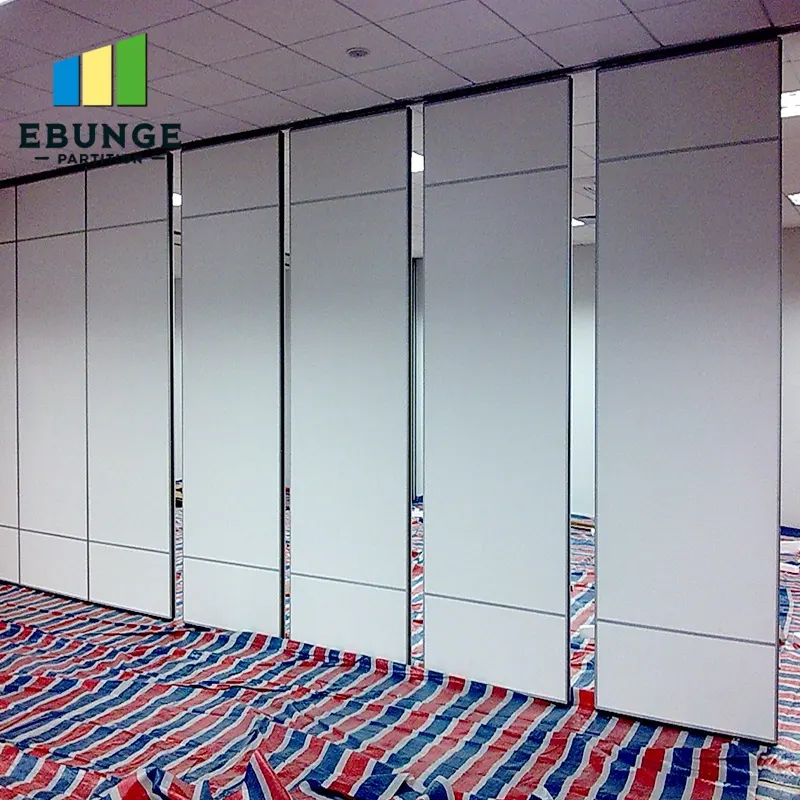
A useful log shows the query status, the evidence referenced and the open items. It should not contain inferred performance values or assumed dimensions. If a value is not confirmed, the log should say so.
Evidence Boundaries You Should Apply Before Answering
Every answer about acoustic partition interfaces should respect clear boundaries. These boundaries protect the project and the supplier.
- Visible references can support layout discussion but do not verify hidden construction or performance.
- The exact route, junction arrangement, continuous overhead path and parking position must be confirmed from the coordinated project drawings.
How to phrase a bounded answer
A bounded answer names what is confirmed and what remains open. For example: the panels are top-hung and cross the opening without a floor track; the parking arrangement is customized to the layout; the acoustic requirement must be confirmed against the project specification and reviewed by the project acoustic specialist.
Interface Areas That Generate the Most Queries
Most tender queries cluster around a few interface areas. Reviewing them early reduces later clarification rounds.
| Interface area | Typical query | What to confirm |
|---|---|---|
| Top track and ceiling | Where is the track supported? | Support condition, ceiling zone and structural coordination |
| Floor line | Is a floor track required? | Confirmed fact: no continuous floor running track along the partition line |
| Parking position | Where do panels stack? | Planned stacking position and layout review |
| Movement route | Can panels turn? | Straight, turning and stacking routes reviewed from the layout |
| Acoustic interface | What rating is achieved? | Project-specific acoustic requirement and assembly review |
| Finish and pass-door | Which finish and door options apply? | Approved finish options and pass-door requirements |
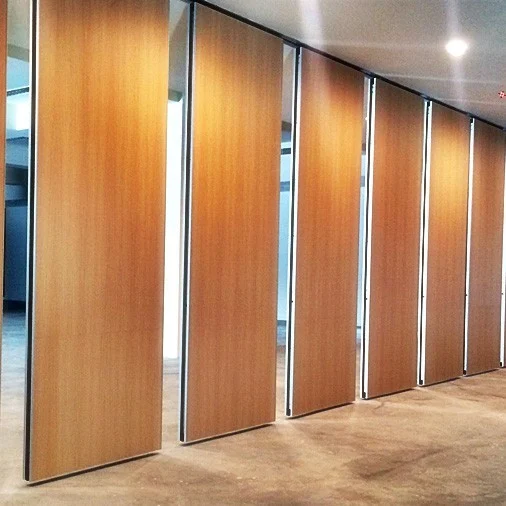
Using the table in review meetings
The table is a prompt, not a checklist of answers.
Coordinating Procurement and Tender Review Across Disciplines
The architect or designer confirms the layout intent and finish direction. The acoustic specialist confirms the project acoustic requirement. The contractor confirms site dimensions and installation sequence. The owner confirms operational expectations.
Triage should record which discipline owns each open item. When a query crosses disciplines, the triage log should show both owners and the information needed from each.
Documentation to request
Project documentation can be discussed with EBUNGE. Useful documents typically include layout drawings, reflected ceiling plans, interface details, finish schedules and the acoustic specification. The exact list depends on the project stage and scope.
Common Triage Mistakes and How to Avoid Them
Several mistakes recur in tender query review. Avoiding them keeps the process credible.
- Answering a layout question with a performance statement.
- Assuming a movement route without reviewing the layout.
- Leaving the acoustic requirement undefined until after award.
- Failing to record which evidence was used for an answer.
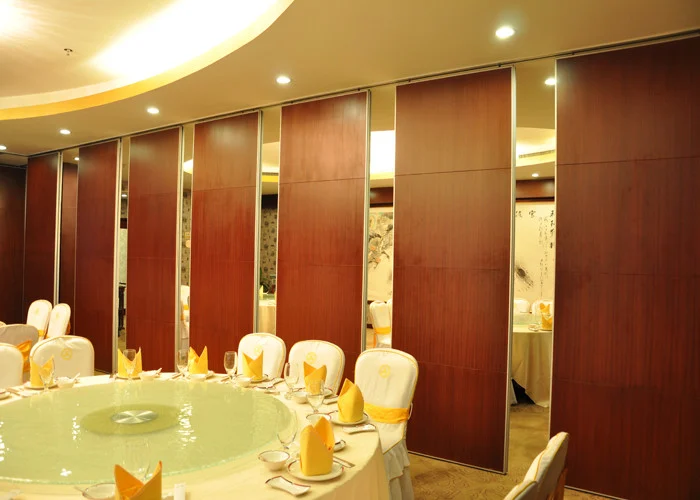
A simple rule
If the answer depends on the project, the triage output should be a request for project-specific confirmation, not a commitment.
Frequently Asked Questions
What is tender query triage for acoustic partition interfaces?
It is a routing and evidence-checking process that sorts incoming tender queries by topic, identifies what can be answered from maintained product facts, and flags what requires project-specific confirmation.
Can EBUNGE confirm acoustic performance from a drawing alone?
No. A drawing alone does not provide that evidence. Project-specific acoustic review is required.
Do movable partitions need a floor track?
Confirmed EBUNGE facts state that panels are suspended from a top track and cross the opening without a floor track.
Which finish options can be discussed at tender stage?
Confirmed finish options include laminate, melamine, fabric, leather, glass and other approved surfaces. The suitable finish for a project depends on the design intent and project requirements.
How should pass-door requirements be handled?
Pass-door requirements can be discussed as part of project documentation. The triage log should record the requirement and route it to the appropriate reviewer for confirmation.
What should a triage answer include?
A bounded answer should state what is confirmed, what remains open, and what project information is needed. It should not include inferred performance values or commercial promises.
Conclusion: Make Triage a Repeatable Habit
Tender query triage for acoustic partition interfaces is most effective when it is repeatable. Log the query, classify it, check maintained facts, identify the evidence gap, assign the reviewer and return a bounded answer. This habit keeps procurement and tender review coordination clear and protects the project from unsupported conclusions.
Review the movable walls product range, explore project resources, or contact EBUNGE to discuss documentation and pass-door requirements.