
Run a Tender Query Round on Partition Track Interfaces
Quick project answer
Review focus: query round.
A tender query round partition track interfaces review is the stage where bidders and designers resolve what the drawings actually show before pricing and fabrication are fixed. It is not a negotiation of wishes; it is a structured exchange of questions, drawing references and written answers. For movable walls, the track interface is where most ambiguity hides: the overhead route, the parking position, the opening geometry and the finish schedule all meet there. This guide sets out how to run that round without drifting into assumptions the evidence does not support.
Why the Track Interface Deserves Its Own Query Round
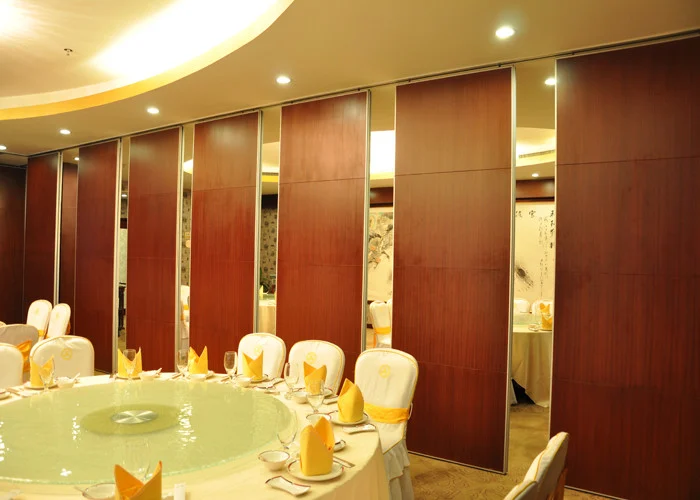
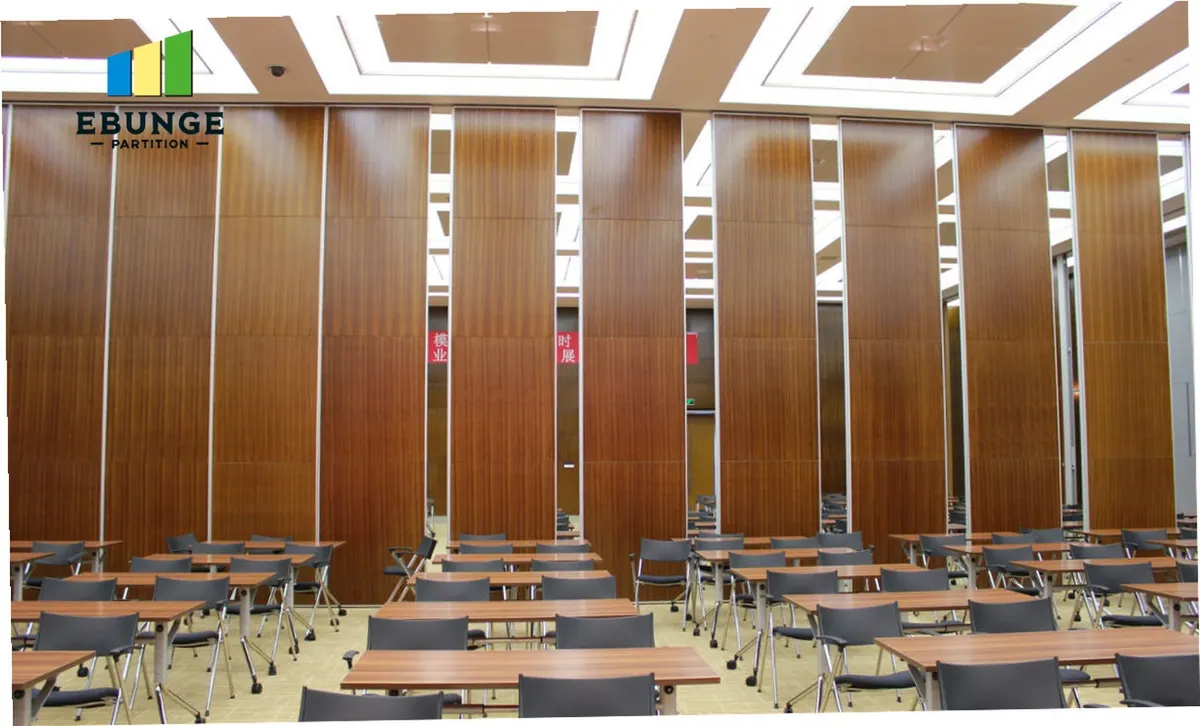
Movable wall panels are individually movable and suspended from a top track. They cross the opening without a floor track and park at a planned stacking position. The suitability of each route and parking arrangement depends on the approved layout, circulation, ceiling interfaces and operating sequence. Each one can be drawn loosely in a tender package and interpreted differently by each bidder.
A dedicated query round separates technical questions from commercial ones. It also creates a written record that later drawing reviews can reference. Without it, bidders may price a route they have imagined rather than the route the layout requires.
Assemble the Query Pack Before You Open the Round
The quality of answers depends on the quality of the questions and the drawings behind them. Mark the revision and issue date on every sheet so answers can be tied to a specific drawing state.
Minimum information to circulate
- Plan showing the opening, the intended travel path and the planned parking or stacking position.
- Sections or details at the head condition, including the supporting structure shown by others.
- The exact route, junction arrangement, continuous overhead path and parking position must be confirmed from the coordinated project drawings.
- Finish schedule with the surfaces proposed for each face and edge condition.
- Pass-door requirements, if a door within the panel run is needed.
- Project documentation requirements, including submittal and approval expectations.
Where a drawing is missing, list it as an open item rather than filling the gap with an assumption. A query round is most useful when it exposes missing information early.
Frame Questions Around Routes, Not Products
Straight, turning and stacking routes are reviewed from the layout. That makes the route the natural unit of questioning. Ask each bidder to describe how the proposed system follows the drawn route, where panels park, and what the head condition must provide. Keep the language descriptive rather than promotional.
Route questions worth tabulating
| Query area | What to ask | Evidence expected |
|---|---|---|
| Travel path | Does the drawn path stay continuous from opening to parking? | Marked-up plan referencing the layout |
| Turning point | How is the change of direction achieved at the drawn corner? | Detail or description tied to the layout |
| Parking zone | What space and head condition does the stacking position require? | Dimensioned sketch or drawing note |
| Head support | What supporting structure is assumed, and who confirms it? | Structural coordination note |
Do not accept a verbal assurance that a route “will work.” Ask for it to be shown on the layout, because every proposed movement path requires a continuous connected overhead route and project-specific support review.
Handle Acoustic and Seal Language Carefully
Acoustic questions often arrive early in a tender round, and they are easy to mishandle. Openings, adjacent construction, flanking paths and workmanship all influence the outcome.
Seals are the interface elements that close gaps between panels and at the perimeter. Their contribution depends on the whole assembly and the installation condition. Visible references can support layout discussion but do not verify hidden construction or performance. Confirm project-specific acoustic requirements with the design team before the round closes.
Evidence note: a finish sample, a photograph or a drawing does not by itself demonstrate acoustic, fire, durability or structural performance. Treat such items as visual or geometric information only, and request separate documentation where performance matters.
Run the Round as a Numbered Process
A predictable sequence keeps the round auditable and fair to all bidders. Adapt the timing to the project programme, but keep the order.
- Issue the query pack and a query template with columns for reference, question, drawing number and required response.
- Set a single deadline for questions so all bidders work from the same information.
- Consolidate duplicate questions and remove any that ask for information not yet available.
- Circulate consolidated questions and answers to every bidder at the same time.
- Reissue affected drawings with a new revision mark and cross-reference the answers.
- Close the round with a written schedule of resolved items and open items carried forward.
This structure supports Procurement and Tender Review coordination because it produces a traceable record rather than a scattered email trail.
Review Finish and Pass-Door Queries Together
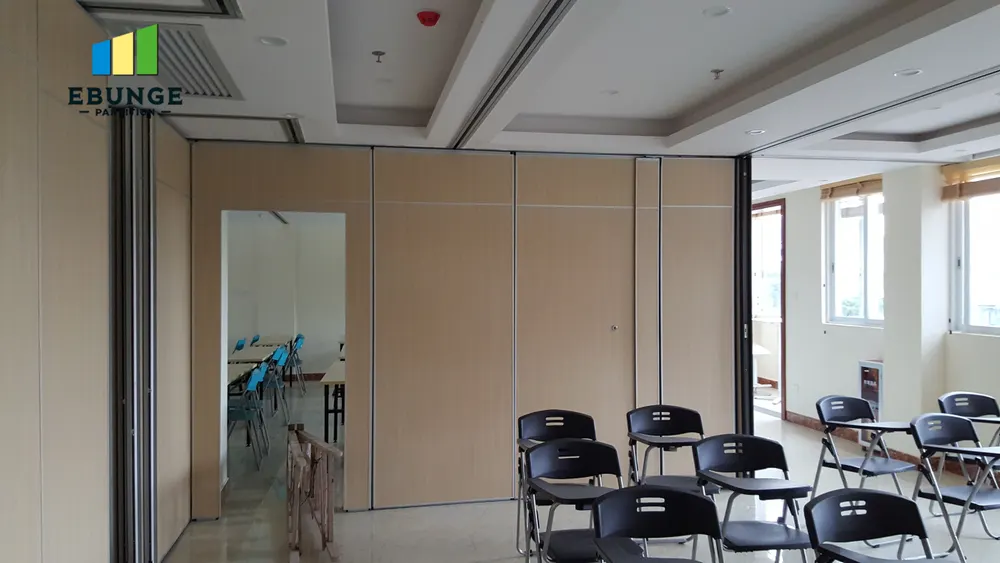
Finish options include laminate, melamine, fabric, leather, glass and other approved surfaces. Each choice affects appearance and maintenance expectations, so ask bidders to confirm availability against the schedule rather than assuming a sample implies suitability for a particular room.
Pass-door requirements should be raised in the same round as the track interface, because a door within the run changes the panel layout and the route. Project documentation can be discussed alongside these points so that submittals, approvals and site coordination are not left to a later stage. Review the movable wall product context before drafting questions, then confirm every project-specific detail against your own drawings.
Close the Round With a Clear Record
End the round with a short closing statement: which queries are answered, which remain open, and which drawings are now current. ”
Keep the record with the tender file and reference it in the evaluation report. If a bidder’s response conflicts with the issued answer, raise it as a clarification rather than resolving it informally.
Frequently Asked Questions
What is the purpose of a tender query round on partition track interfaces?
It resolves ambiguities in the overhead route, parking position, head condition and finish schedule before pricing is fixed, and it creates a written record of agreed answers.
Do movable partitions need a floor track?
EBUNGE movable wall panels are top-hung and cross the opening without a floor track or floor hardware along the partition line.
Can I ask for acoustic performance figures during the round?
You can ask what documentation a bidder can provide for the proposed configuration.
Which finishes can be queried?
Confirmed options include laminate, melamine, fabric, leather, glass and other approved surfaces. Ask bidders to confirm the scheduled finish against the specific project rather than inferring suitability from a sample.
How should turning and stacking routes be described?
Ask each bidder to mark the travel path, turning point and parking zone on the layout, and to state the head condition assumed. Straight, turning and stacking routes are reviewed from the layout.
What if a query cannot be answered before the deadline?
Record it as an open item, state who must confirm it, and carry it into the evaluation or a later clarification round. Do not let an unanswered item become an assumed capability.
Conclusion and Next Step
A disciplined query round turns a vague tender into a set of answerable technical questions. Keep every answer tied to a drawing revision, keep performance claims tied to evidence, and keep routes tied to the layout. That discipline protects both the buyer and the bidder.
If your team is preparing a query round and needs to discuss pass-door requirements, finish schedules or project documentation, contact EBUNGE with your layout and drawing references so the discussion can start from the application reference conditions.