
Quick answer: movable partition wall tender query
Review focus: movable partition wall tender query.
Movable partition wall tender query response ownership mapping is the discipline of assigning every bidder question to a named answer authority and recording whether the answer changes scope, priced schedules, or interface assumptions. Without this map, clarifications drift between trades, and the award decision rests on assumptions rather than documented positions. This framework helps overseas procurement reviewers keep query responses traceable before contract signature.
Why Query Ownership Breaks Down on Partition Packages
Project review term: movable partition wall tender query.
Partition packages sit at the intersection of structure, ceiling, finishes, and building services. The exact route, junction arrangement, continuous overhead path and parking position must be confirmed from the coordinated project drawings. When no one owns the answer, the response may be technically plausible but commercially unowned.
The suitability of each route and parking arrangement depends on the approved layout, circulation, ceiling interfaces and operating sequence. Each creates a gap between what the bidder assumed and what the contract will require.
Three symptoms of unowned responses
- Bidders receive different answers to the same question.
- Scope changes appear in drawings but not in the priced schedule.
- Interface assumptions are confirmed by parties without authority to bind the design.
Define Answer Authority Before the Query Window Opens
Coordination scope: movable partition wall tender query.
Answer authority is the right to give a binding response on a defined topic. It is not the same as technical knowledge.
Before issuing the tender, list the topics likely to generate queries: overhead support, track layout, parking position, finish selection, pass-door requirements, and interface with adjacent trades. For each topic, name the role that holds answer authority and the role that must be consulted.
Roles that typically hold authority
| Query topic | Likely answer authority | Consulted party |
|---|---|---|
| Overhead support and structural interface | Structural engineer | Architect, partition specialist |
| Track route and stacking position | Architect or lead designer | Partition specialist, contractor |
| Finish and surface selection | Interior designer or owner | Partition specialist |
| Pass-door location and operation | Architect | Partition specialist, fire consultant |
| Priced schedule and scope boundaries | Procurement lead or quantity surveyor | All disciplines |
This table is a starting point. Project-specific authority must be confirmed in the tender documents and the contract administration plan.
Build the Ownership Map as a Living Register
Checklist focus: movable partition wall tender query.
An ownership map is a register, not a one-off document. Each row should capture the query reference, the topic, the answer authority, the response date, and the scope-impact decision. The register should be visible to all bidders and updated as responses are issued.
Use a consistent status for each query: open, answered, scope change confirmed, or no scope impact. This prevents a response from being treated as final before the commercial consequence is recorded.
Minimum fields for each query row
- Query reference and date received.
- Topic category and related drawing or specification clause.
- Named answer authority and consulted parties.
- Response text and date issued.
- Scope-impact decision: none, minor clarification, or priced change.
- Linked priced schedule item or variation reference.
Trace Scope Impact Through Priced Schedules and Interfaces
Review focus: movable partition wall tender query.
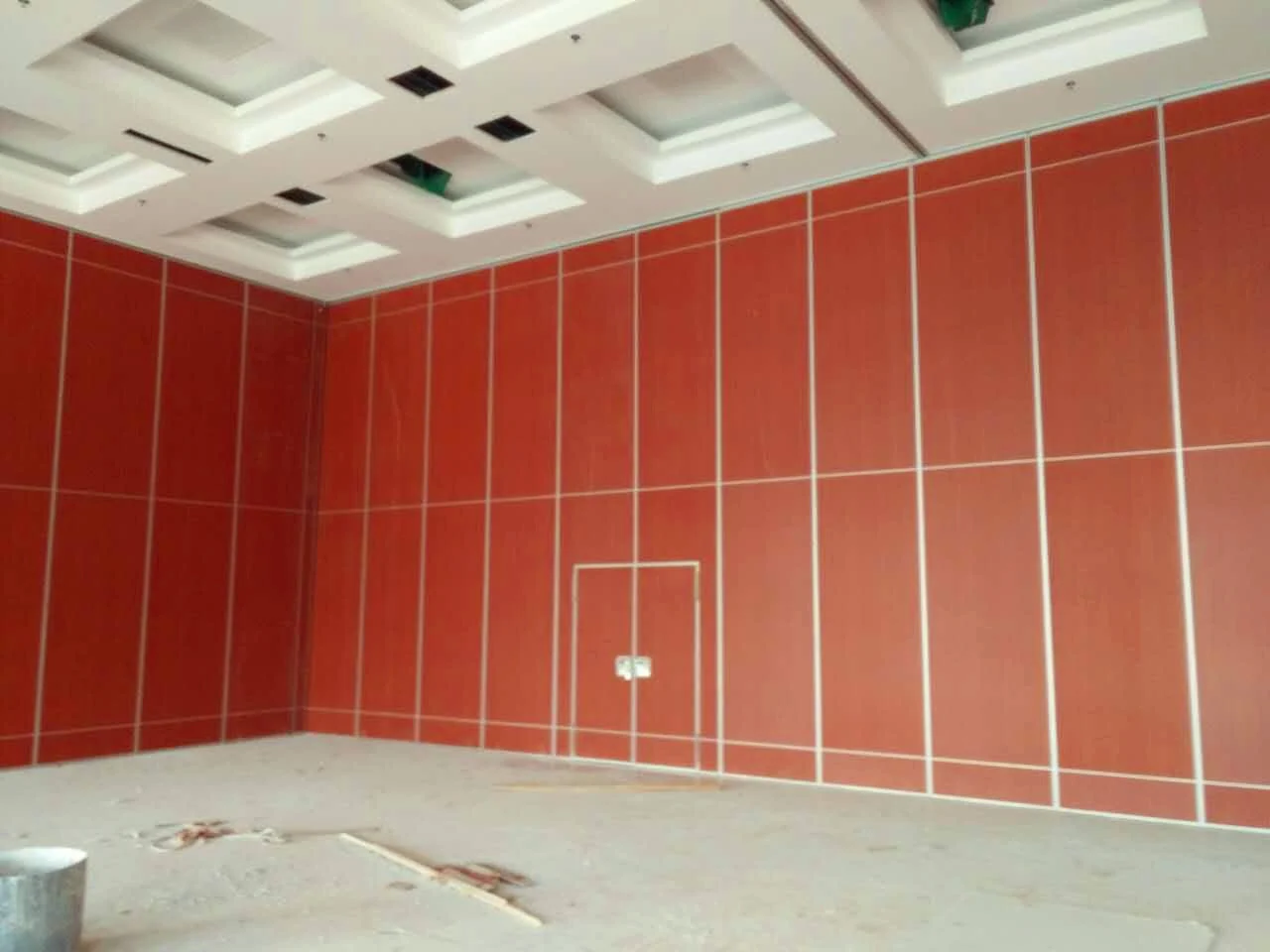
A query response that changes the track route may alter the ceiling coordination, the stacking position, and the interface with adjacent partitions. If the priced schedule does not reflect that change, the award comparison becomes misleading.
For each response marked as a scope change, require the bidder to confirm the commercial effect in writing. The procurement reviewer should then verify that the revised priced schedule matches the confirmed scope.
Interface assumptions to record
- Who provides the overhead support and to what drawing.
- How the partition route connects to adjacent walls or ceilings.
- Where parking occurs and what space is reserved.
- How pass-door requirements are coordinated with the partition layout.
These assumptions should be confirmed against project-specific drawings. Generic statements about movable partitions are not evidence of a particular interface condition.
Use Evidence Boundaries When Reviewing Responses
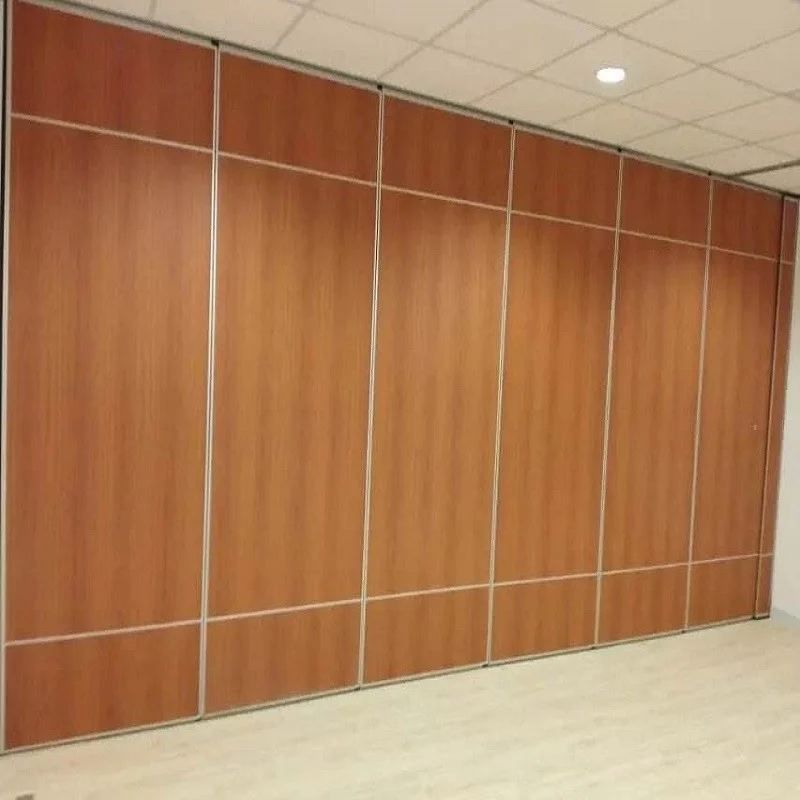
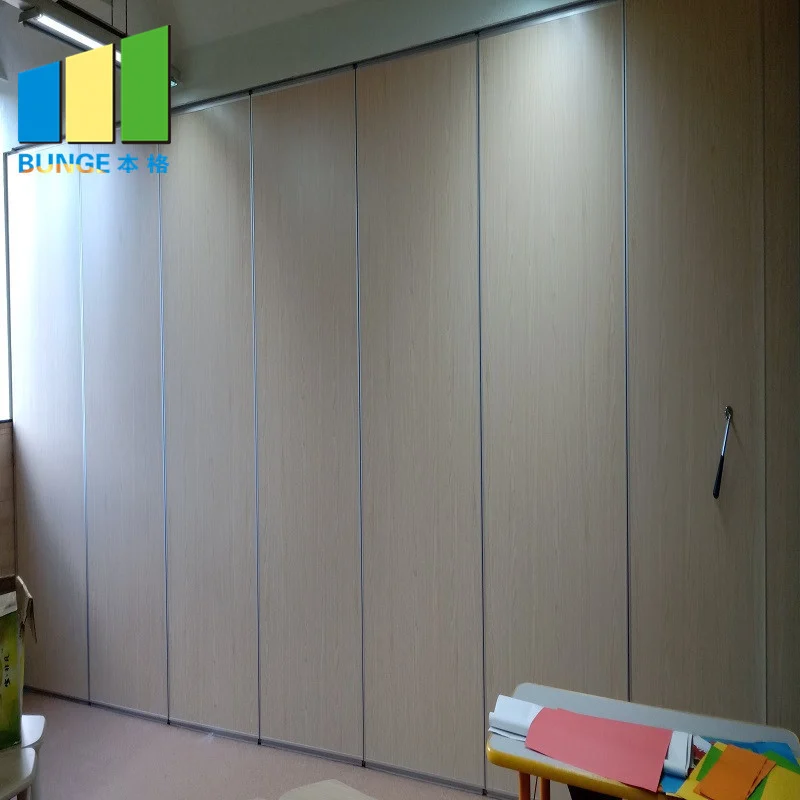
Procurement reviewers should separate maintained product facts from project-specific claims. EBUNGE movable partition panels are individually movable, suspended from a top track, cross the opening without a floor track, and park at a planned stacking position. Straight, turning, and stacking routes are reviewed from the layout.
Confirmed finish options include laminate, melamine, fabric, leather, glass, and other approved surfaces. Pass-door requirements and project documentation can be discussed.
Evidence note: Do not infer acoustic, fire, durability, load, or commercial performance from a visible finish, photograph, or drawing. Confirm project-specific support, acoustic, and dimensional requirements with the responsible parties.
Run a Pre-Award Query Review Meeting
Before award, hold a review meeting with the answer authorities and the procurement team. Walk through the ownership map and confirm that every scope-impact decision is reflected in the priced schedules.
The meeting should produce a short list of unresolved queries and a named owner for each. If a query cannot be resolved before award, record it as a condition of contract rather than leaving it as an assumption.
Decision checklist for the reviewer
- Is every query assigned to a named answer authority?
- Has each response been classified for scope impact?
- Do priced schedules reflect confirmed scope changes?
- Are interface assumptions documented and coordinated?
- Are unresolved queries listed as conditions of contract?
Frequently Asked Questions
What is movable partition wall tender query response ownership mapping?
It is a structured method for assigning each bidder query to a named answer authority and recording whether the response changes scope, priced schedules, or interface assumptions before award.
Who should own answers about track routes and stacking positions?
Typically the architect or lead designer holds authority, with the partition specialist consulted on feasibility. The exact role must be confirmed in the project’s tender documents.
How do I know if a query response changes the priced schedule?
Classify each response as no scope impact, minor clarification, or priced change. For priced changes, require written confirmation from the bidder and update the schedule before award.
Can finish selection affect the tender response?
Finish options include laminate, melamine, fabric, leather, glass, and other approved surfaces.
What should happen if a query cannot be resolved before award?
Record it as a condition of contract with a named owner and a required response date. Do not leave it as an unstated assumption in the bid comparison.
Does a top-hung partition need a floor track?
EBUNGE movable partition panels are suspended from a top track and cross the opening without a floor track. The exact overhead route and support arrangement must be confirmed by the responsible project team from coordinated drawings.
Conclusion and Next Steps
Ownership mapping turns a pile of clarifications into a traceable record. By assigning answer authority, classifying scope impact, and updating priced schedules before award, procurement reviewers reduce the risk of post-award disputes.
Start with the query topics most likely to affect cost and coordination: overhead support, track route, parking position, finishes, and pass-door requirements. Confirm each against project-specific drawings and maintained product facts.
For project-specific support, acoustic, and dimensional requirements, contact EBUNGE to discuss your tender documentation. You can also review movable wall systems and browse project resources for further planning context.