
Quick project answer
Review focus: tender query log.
For project teams, tender query log track scope gaps should be reviewed against the opening, ceiling interface, operating sequence and approved finish requirements. A tender query log is not a complaint list. It is a controlled register that forces unclear scope into the open while the project can still respond. For top-hung movable partitions, the highest-risk blind spot is often the overhead route: the track, its support and the parking position. Building a tender query log that exposes track scope gaps helps contractors, architects and owners separate what is drawn, what is specified and what still needs project-specific confirmation.
The goal is not to predict every answer. It is to make missing information visible, assign responsibility and create a traceable record before procurement closes. This article sets out a practical structure for that log, with evidence boundaries that keep the review honest.
Why Track Scope Gaps Hide in Plain Sight
Project review term: tender query log.
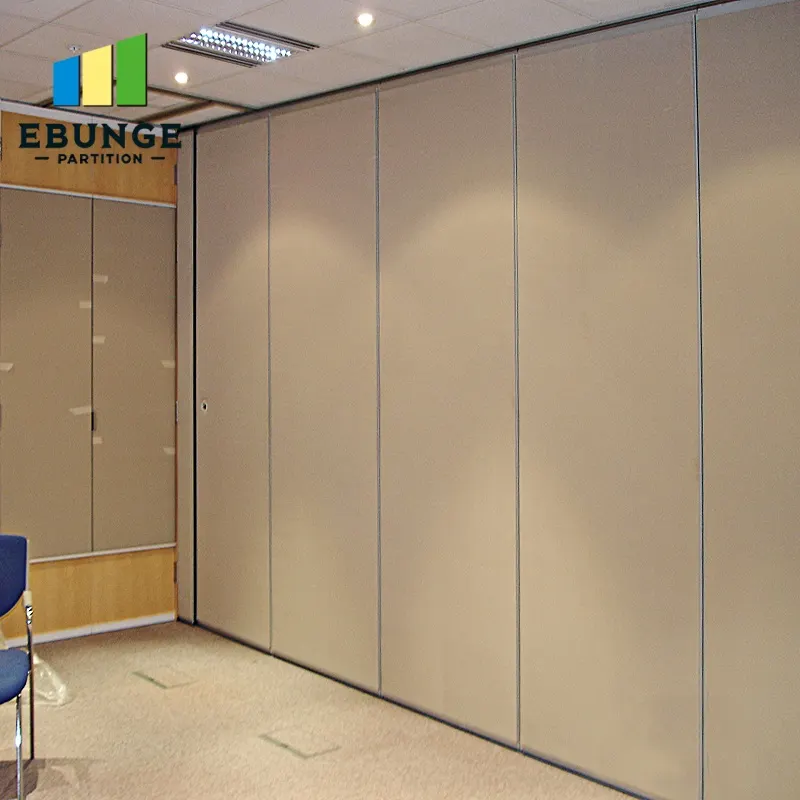
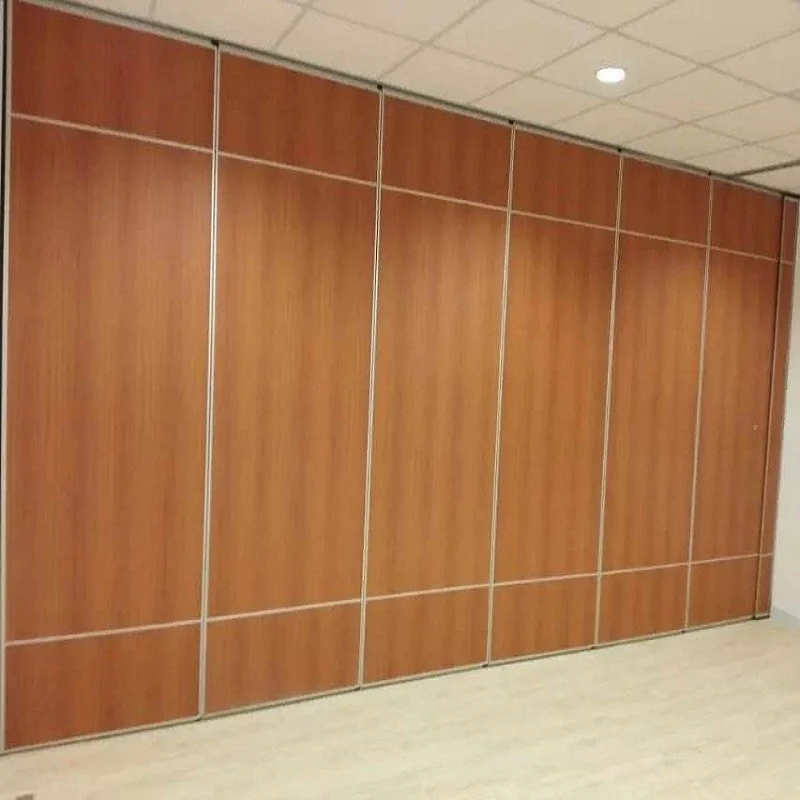
Movable wall panels are individually movable and suspended from a top track. They cross the opening without a floor track and park at a planned stacking position. The exact route, junction arrangement, continuous overhead path and parking position must be confirmed from the coordinated project drawings.
Drawings often show the partition line but not the full travel path. A straight run may look complete while a turning or stacking route remains unresolved. If the tender package does not ask about those routes, bidders may price only what they see. The resulting gap surfaces later as a variation, a delay or a redesign.
What the log should capture
The suitability of each route and parking arrangement depends on the approved layout, circulation, ceiling interfaces and operating sequence. Avoid vague entries such as ‘confirm track’. Instead, write: ‘Confirm the continuous overhead route and support condition for the turning and stacking path shown on drawing A-204.’
Structuring the Tender Query Log
A useful log has a small number of fields that everyone can maintain. Keep it in a shared spreadsheet or document control system so answers do not live in private email threads. The structure below is generic and can be adapted to any procurement platform.
| Field | Purpose | Example entry |
|---|---|---|
| Query ID | Traceable reference | TQ-014 |
| Drawing / clause | Locates the ambiguity | A-204, partition type P2 |
| Scope category | Groups similar gaps | Track route / support |
| Question | One clear ask | Confirm overhead route at turn |
| Evidence needed | Defines acceptable answer | Coordinated plan or section |
| Owner | Accountable party | Structural engineer |
| Due date | Protects programme | Before tender return |
| Status | Open / answered / closed | Open |
This table is not a performance claim. It is a coordination tool. The value comes from using it consistently and refusing to close a query until the answer is specific enough to price and build.
Turning Drawings into Track Queries
Each pass should generate its own questions. A straight route may raise questions about the overhead support condition. A stacking route may raise questions about the parking zone and its interface with other trades.
Straight route queries
Ask whether the overhead route is continuous across the full opening and whether the supporting structure has been reviewed for the proposed condition. Do not assume that a visible ceiling line is a support line. The log should record who confirms that interface.
Turning and stacking queries
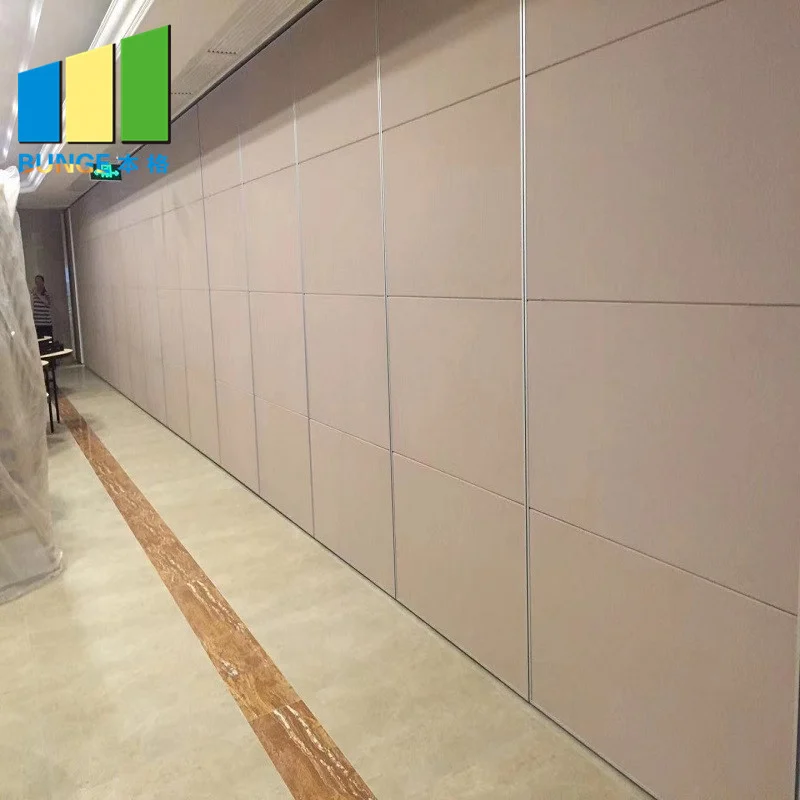
Ask how the panels travel from one direction to another and where they park. Parking style is customized to the customer layout and project requirements, and compact stacking may be possible when the coordinated design permits it. The query should ask for the coordinated design, not assume the outcome.
Evidence Boundaries for Acoustic and Support Claims
The log should ask for the project-specific acoustic requirement and the evidence that will be provided, rather than accepting a generic figure.
Evidence note: Do not infer acoustic, fire, durability, load or maintenance performance from a finish sample, a photograph or an uncoordinated drawing. Each claim needs matching project evidence.
Support is equally important. If the tender package does not identify who confirms that review, add a query. This is not a technical conclusion; it is a scope question.
Running the Log Through Procurement and Tender Review
Before tender issue, check that every ambiguous route has a query. Before tender return, check that answers are specific enough to price. Before award, check that no query has been closed with an assumption.
- Open the log at concept or tender stage.
- Assign a single log owner for the project.
- Review open queries at each design team meeting.
- Require a drawing or clause reference for every answer.
- Close only when the answer can be priced and built.
- Carry unresolved items into the construction phase with a named owner.
It does make gaps visible while there is still time to respond.
Common Mistakes That Weaken the Log
One common mistake is combining several questions into one entry. That makes answers ambiguous and closure unreliable. Another is accepting a verbal answer without updating the drawing or specification. A third is treating a finish selection as evidence of performance.
A fourth mistake is ignoring pass-door requirements. If a pass door is needed, it should be raised as a query with its own drawing and coordination implications. Project documentation can be discussed with the supplier, but the log should still record what is confirmed and what remains open.
FAQ
What is a tender query log for movable partitions?
It is a controlled register of questions and answers that tracks unresolved scope, including track routes, support conditions and parking positions, before and during tender.
Why do track scope gaps appear so often?
Because drawings may show the partition line without showing the full overhead route, support condition or stacking path. The log forces those items into the open.
Can the log include acoustic questions?
Yes. Ask for the project-specific acoustic requirement and the evidence that will be provided.
Who should own the log?
A single named person should maintain it, usually from the design or procurement team, with support from the contractor and specialist supplier.
When should the log be closed?
Individual queries can be closed when the answer is specific enough to price and build. The log itself should remain live until unresolved items are carried into construction with owners.
Does a finish choice answer a performance query?
No.
Conclusion and Next Step
A tender query log that exposes track scope gaps is a discipline, not a document. It asks the uncomfortable questions early, records the answers and keeps assumptions out of the price. For top-hung movable partitions, the critical questions concern the continuous overhead route, the support condition and the parking position. Confirm project-specific support, acoustic and dimensional requirements with the relevant specialists before relying on any tender assumption.
To discuss project documentation, pass-door requirements or finish options for a specific layout, contact EBUNGE. You can also review the movable wall systems and browse the resources for further planning context.