
Quick answer: tender query deadline rules
Review focus: tender query deadline rules.
When a tender period closes, unanswered questions do not disappear. They become assumptions. For movable partition packages, those assumptions often sit in the gap between a layout drawing and the actual scope of supply. Tender query deadline rules partition scope gaps by forcing every unresolved item into a visible, dated question before pricing is fixed. This article offers an evidence-bounded framework for contractors, architects, designers, owners and procurement teams who need to keep those gaps visible without inventing performance or engineering conclusions.
Why Partition Scope Gaps Hide in Plain Sight
Project review term: tender query deadline rules.
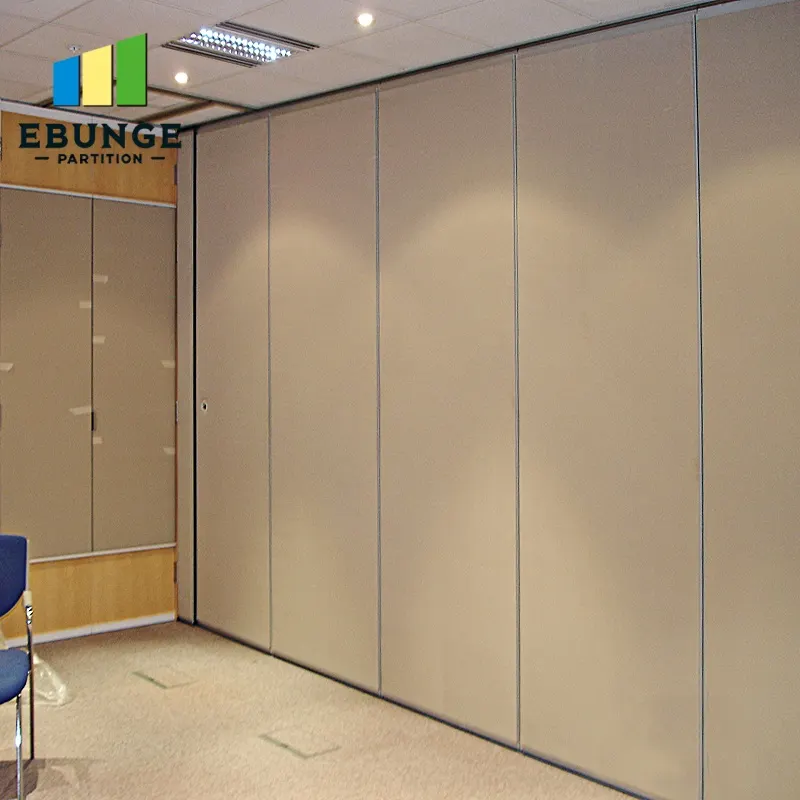
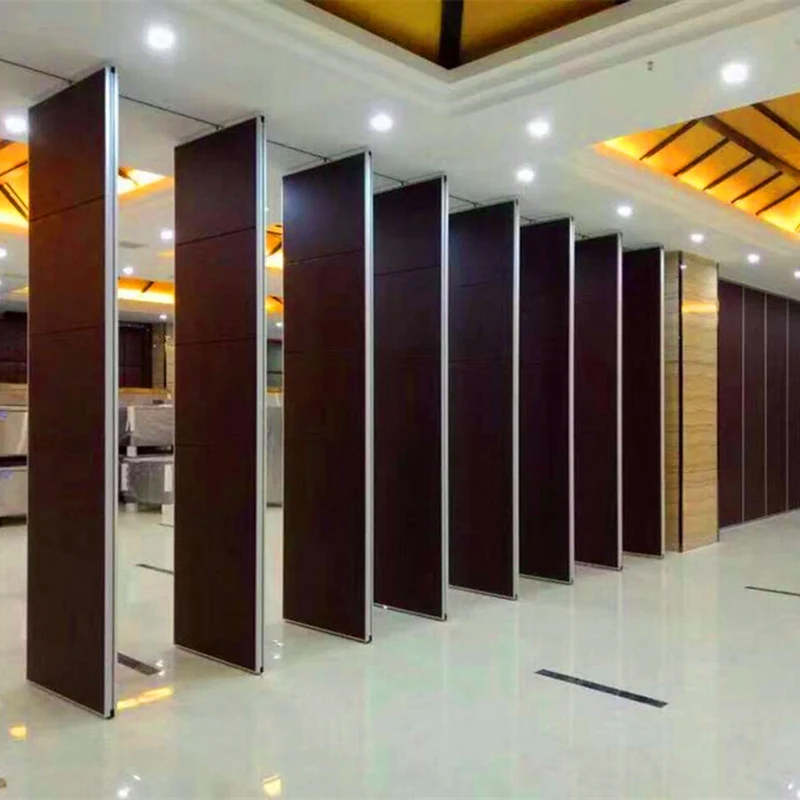
Movable wall panels are individually movable, suspended from a top track, cross the opening without a floor track, and park at a planned stacking position. That simple description already contains several scope boundaries: the overhead route, the parking zone, the opening width and the finished floor condition. If any of these are shown loosely in the tender documents, different bidders may price different assumptions.
The suitability of each route and parking arrangement depends on the approved layout, circulation, ceiling interfaces and operating sequence. The exact route, junction arrangement, continuous overhead path and parking position must be confirmed from the coordinated project drawings. The tender query deadline is the last structured moment to surface these items. After the deadline, clarifications may still be possible, but they are less likely to be shared equally with every bidder.
How Deadline Rules Change Bidder Behaviour
Coordination scope: tender query deadline rules.
A clear deadline rule tells every bidder when questions must be submitted, how answers will be distributed, and whether late queries will be considered. Without that structure, one bidder may ask a critical question privately, receive an answer, and price accordingly, while others price the original ambiguity.
They are dimensional and interface-related. Does the layout show a straight, turning or stacking route? Is the parking position coordinated with adjacent finishes, doors or services? Are pass-door requirements described? These questions do not require a performance claim. They simply make the visible scope complete enough to compare.
A Query Triage Checklist for Partition Packages
Checklist focus: tender query deadline rules.
Use this checklist before the query deadline to sort issues by their effect on scope visibility. It is not a substitute for project-specific review, but it helps teams avoid burying critical items in a long list.
- Route continuity: Confirm that every proposed movement path has a continuous connected overhead route shown on the drawings.
- Parking position: Check that the planned stacking position is dimensioned and does not conflict with other trades.
- Opening and interface: Verify that the opening width, adjacent structure and finished floor conditions are described.
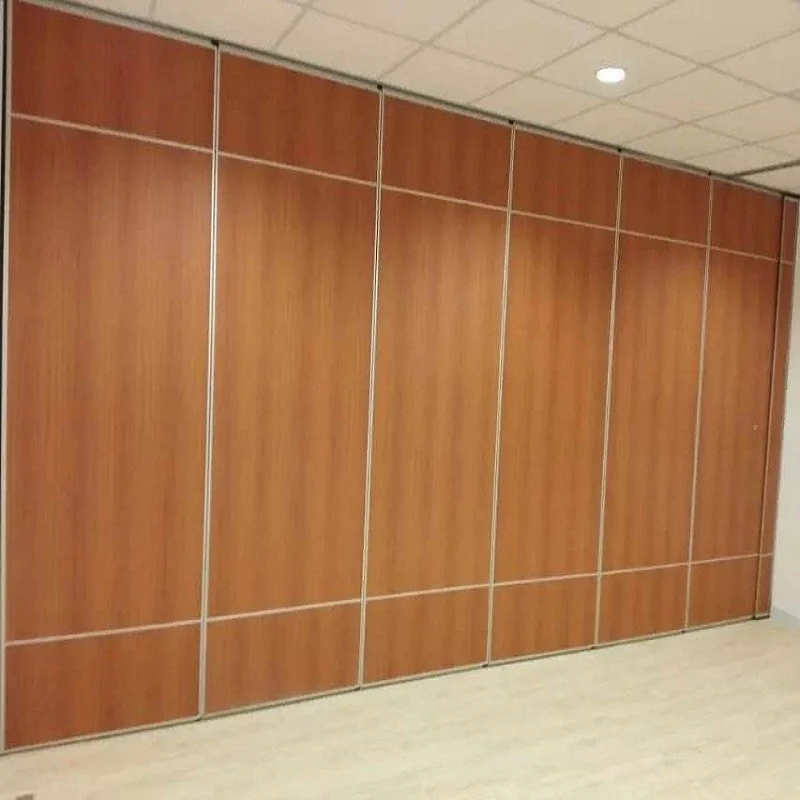
- Finish schedule: Confirm which approved surface options are required and where they apply.
- Pass-door needs: Identify whether pass-door requirements are part of the scope and how they are documented.
- Documentation: List the drawings, schedules and specifications that bidders must price against.
Each item should become a numbered query with a drawing reference. That makes the answer traceable and keeps the scope gap visible to everyone.
Writing Queries That Do Not Invent Performance
Review focus: tender query deadline rules.
A tender query should ask how the project specification defines the required rating and what evidence is expected, rather than assuming a number from a finish or a drawing.
If the specification requires a performance value, the query should ask for the project-specific confirmation route. If the specification is silent, the query should ask whether the item is excluded or deferred to a later stage.
Evidence note: A finish option such as laminate, melamine, fabric, leather or glass describes an approved surface category. It does not, by itself, confirm acoustic performance, structural capacity or cleaning compatibility. Those require matching project evidence.
Coordinating Answers Across Disciplines
Partition queries rarely belong to one discipline.
For overseas projects, time zones and language can add friction. A query deadline that falls outside normal working hours in one region may disadvantage some bidders. Publishing the deadline with a clear time zone and a named contact reduces that risk without changing the technical scope.
What to Confirm Before Pricing
Before pricing a movable partition package, confirm the project-specific support, acoustic and dimensional requirements. The following numbered process can be used as a final review gate.
- Re-read the query deadline rules and confirm the submission channel and time zone.
- Check that every route, turning point and parking position is shown on a coordinated drawing.
- Confirm that the overhead support condition is described and reviewed by the responsible engineer.
- Verify that finish options and pass-door requirements are scheduled, not implied.
- Confirm the documentation set that will form the basis of the order.
- Record any remaining assumption as an open item, not as a confirmed fact.
This process does not promise a particular outcome. It simply keeps the scope visible so that commercial comparisons are made on the same basis.
Common Mistakes That Reopen Scope Gaps
One common mistake is treating a late answer as if it were part of the original tender. If the answer changes the route or parking position, bidders who priced earlier may not have included it. Another mistake is accepting a verbal clarification without a written addendum.
A third mistake is using a generic finish or venue example as evidence of a application reference. Named venues and room types are examples only. Movable partitions can be considered wherever flexible spatial division, combination or reconfiguration is required, but each project still needs its own drawing review and confirmation.
FAQ: Tender Query Deadlines and Partition Scope
What is a tender query deadline?
It is the date and time by which bidders must submit questions about the tender documents. A well-run deadline also states how answers will be distributed and whether late queries will be accepted.
Why do partition scope gaps matter at tender stage?
Because movable wall scope depends on layout, overhead route, parking position and interfaces. If these are not visible, bidders may price different assumptions, making comparison unreliable.
Can a query ask for acoustic performance?
Yes, but the query should ask how the project specification defines the required rating and what evidence is expected.
Should the query deadline include time zone information?
For overseas projects, yes. A clear time zone and submission channel help ensure that bidders in different regions have a fair opportunity to respond.
What should be confirmed before pricing a movable partition?
Confirm project-specific support, acoustic and dimensional requirements. Also confirm the route, parking position, finish schedule, pass-door needs and the documentation set that will form the basis of the order.
Does a finish option confirm performance?
No. A finish option describes an approved surface category.
Conclusion: Keep the Gap Visible, Then Close It
Tender query deadline rules are most useful when they protect the visibility of scope gaps rather than simply closing the question period. For movable partitions, that means documenting routes, parking positions, interfaces and finish schedules before pricing. It also means resisting the temptation to infer performance from a drawing or a finish.
If your project team needs to discuss pass-door requirements, project documentation or the layout review process, contact EBUNGE to start a project-specific conversation. You can also review the movable walls product page and the resources section for maintained product context before your next tender review.