
Quick answer: tender priced schedule omission audit
Review focus: tender priced schedule omission audit.
A tender priced schedule omission audit movable partition review is a structured check of the priced schedule against the drawings, specification and scope narrative before contract award. Its purpose is to find missing or ambiguous movable partition items while the project team still has time to clarify them. This article sets out a practical framework for that audit, bound to maintained product facts and visible evidence limits. It does not replace project-specific support, acoustic or dimensional confirmation.
Why a Priced Schedule Omission Audit Matters
Project review term: tender priced schedule omission audit.
Movable partitions are often treated as a single line item in a tender priced schedule. That can hide several distinct scope elements: the panels themselves, the top track and its support interface, the parking arrangement, the finish selection, and any pass-door requirement. If any of these are omitted or left vague, the award decision may rest on an incomplete price.
An omission audit does not assume the lowest or highest price is correct. It checks whether the priced schedule describes the same scope as the drawings and specification. Where it does not, the team can issue a clarification before award rather than manage a variation after it.
What the Audit Should Cover
Coordination scope: tender priced schedule omission audit.
The audit should compare three documents: the priced schedule, the tender drawings, and the specification or scope narrative. Each movable partition line item should be traceable to a drawing or specification clause. If a line item cannot be traced, it is a candidate omission or ambiguity.
Core scope elements to trace
- Panel quantity and nominal dimensions as shown on the layout.
- Top track route, including straight, turning and stacking paths.
- Parking position and stacking arrangement as planned on the layout.
- Finish selection from confirmed options such as laminate, melamine, fabric, leather, glass or other approved surfaces.
- Pass-door requirements, if any, and how they are described.
- The suitability of each route and parking arrangement depends on the approved layout, circulation, ceiling interfaces and operating sequence.
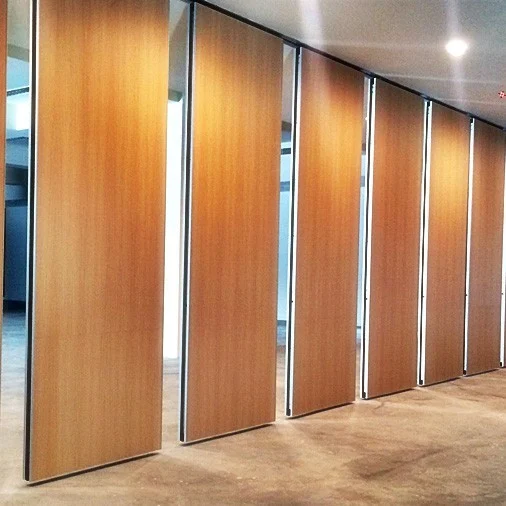
This list is a starting point. The exact overhead route and support arrangement must be confirmed by the responsible project team from coordinated drawings.
Evidence Boundaries During the Audit
An audit is only as reliable as the evidence behind each statement. The following boundaries help prevent unsupported conclusions from entering the tender review.
What visible evidence can and cannot show
Drawings and schedules can show layout, route and nominated finishes. Those require matching project-specific evidence, not inference from a shape or finish.
Acoustic descriptors
Evidence note: Do not derive hidden acoustic, fire, durability, load, maintenance, certification or commercial performance from a visible shape, finish, photograph or drawing. Comparative, absolute and causal statements require corresponding evidence.
A Step-by-Step Omission Audit Process
The following numbered process can be run before award. It is designed to be repeated as tender clarifications are issued.
- Collect the priced schedule, tender drawings, specification and any addenda in one place.
- List every movable partition line item and its stated scope.
- Trace each line item to a drawing or specification clause.
- Flag items with no traceable source, or with wording that conflicts across documents.
- Check the movement route: straight, turning and stacking paths must be continuous and supported by the layout.
- Check parking: confirm the planned stacking position is shown and coordinated.
- Check finishes: confirm the nominated finish is within the confirmed options and is described consistently.
- Check pass-doors: confirm whether they are required and how they are priced.
- Record each omission or ambiguity as a clarification question for the tenderer.
- Re-audit after responses are received, before award.
Common Omission Patterns to Watch
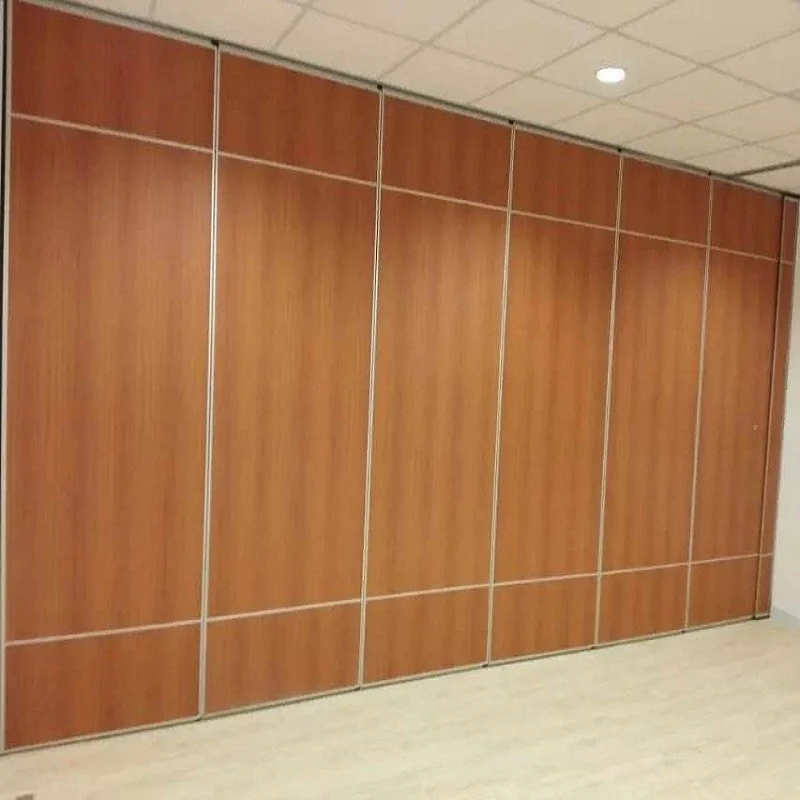
Certain omissions recur in movable partition tenders. Panel handling and the operating sequence must be confirmed for the selected layout and project conditions.
Route and support gaps
A layout may show panels crossing an opening but not show how the top track continues to the parking position. Because panels are top-hung and move without a continuous floor track, the overhead route must be continuous and supported. The exact route, junction arrangement, continuous overhead path and parking position must be confirmed from the coordinated project drawings.
Finish and interface gaps
Finishes may be listed generically without confirming they are within the approved options. These are common sources of post-award variation.
Documentation gaps
Project documentation requirements, such as shop drawings or coordination files, may be referenced but not priced. The audit should note where documentation obligations are unclear.
Using the Audit to Frame Clarifications
The output of the audit is not a revised price. It is a set of clarification questions. Each question should point to the specific document line and the specific ambiguity.
Where a response introduces new information, the audit should be repeated for the affected items. The goal is a priced schedule that matches the drawings and specification before award, not after.
Frequently Asked Questions
What is a tender priced schedule omission audit for movable partitions?
It is a structured comparison of the priced schedule against the drawings and specification to find missing or ambiguous movable partition scope before award.
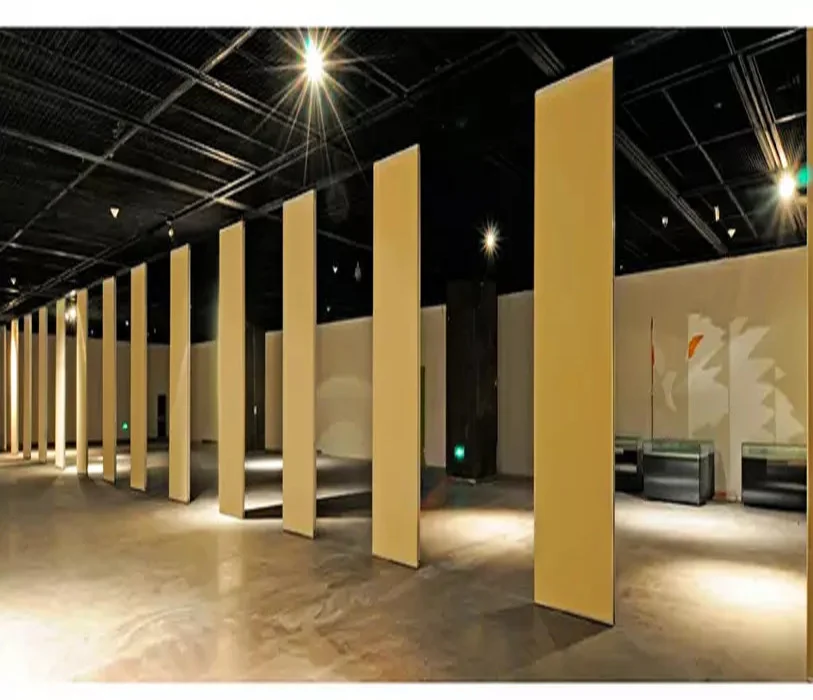
Does the audit require acoustic test data?
No. The audit checks scope completeness.
Can the audit confirm structural support?
No.
What if the layout shows a turning route?
Straight, turning and stacking routes are reviewed from the layout.
How are finishes handled in the audit?
Confirm the nominated finish is within the confirmed options, such as laminate, melamine, fabric, leather, glass or other approved surfaces, and that it is described consistently.
When should the audit be repeated?
Repeat it after tender clarifications are issued and before award, so the final priced schedule reflects the agreed scope.
Conclusion and Next Steps
A tender priced schedule omission audit movable partition review helps project teams compare scope, not just price, before award. By tracing each line item to a drawing or specification clause, checking route and parking logic, and recording evidence boundaries, teams can reduce post-award surprises. Confirm project-specific support, acoustic and dimensional requirements with the responsible parties.
To discuss pass-door requirements, project documentation or movable wall configuration for your tender, contact EBUNGE. You can also review movable walls and the resources for further planning context.