
Quick answer: tender clarification log
Review focus: tender clarification log.
Tender clarification log source query traceability is the practice of linking every clarification entry back to the exact question, drawing, or specification line that triggered it. Without that link, a log becomes a list of answers with no audit trail. For overseas contractors, architects, and procurement teams evaluating movable partition packages, traceability protects the project from rework, disputes, and accidental scope gaps. This guide sets out a practical method for building and maintaining that trail, while keeping every product and performance statement inside confirmed evidence boundaries.
Why Traceability Matters in Movable Partition Tenders
Project review term: tender clarification log.
A movable partition package touches architecture, structure, finishes, and operations. A single clarification about stacking space, finish selection, or pass-door requirements can affect several disciplines. When the log entry does not show its source query, later readers cannot judge whether the answer still applies after a drawing revision.
Traceability also supports fair evaluation. If one bidder receives an answer that another does not see, the log and its source queries show exactly what was asked and when. That record helps the project team issue addenda consistently and avoid hidden advantages.
What Counts as a Source Query
Coordination scope: tender clarification log.
A source query is the original communication or document that raised an issue. It may be a formal request for information, a query in a clarification meeting, a marked-up drawing, a specification comment, or an email from a tenderer. The source query is not the same as the clarification answer.
Common Source Query Types
- Formal request for information submitted through the tender portal
- Written question raised during a pre-tender meeting
- Comment embedded in a drawing review or specification mark-up
- Email or letter from a tenderer seeking scope confirmation
- Internal design query that affects the tender documents
What Is Not a Source Query
A general assumption, a verbal comment with no record, or a later summary written by someone who did not raise the issue is not a reliable source query. If the original query cannot be found, the log entry should say so rather than invent a source.
A Step-by-Step Method for Tracing Log Entries
Checklist focus: tender clarification log.

The following process can be applied to any tender clarification log, including those covering movable partition packages. It assumes the project team maintains a single controlled log.
- Assign a unique reference to every incoming query. Use a consistent format that includes the date and the originator. Record the query exactly as received, without paraphrasing away important detail.
- Log the answer separately. The answer should reference the query reference. If the answer changes a drawing or specification, note the document and revision.
- Link the answer to affected documents. List every drawing, schedule, or specification section that the answer touches. This shows where the clarification has effect.
- Record the status. Mark whether the query is open, answered, superseded, or closed. A superseded entry should point to the entry that replaced it.
- Review the log against the current issue. Before each addendum or tender close, check that every open query has a current answer and that no answer contradicts a later revision.
- Archive the source query with the log. Keep the original query file or message in a location that reviewers can access. The log reference alone is not enough if the source cannot be retrieved.
Building the Traceability Record
Review focus: tender clarification log.
A traceability record does not need to be complex, but it must be consistent. The suitability of each route and parking arrangement depends on the approved layout, circulation, ceiling interfaces and operating sequence.
Evidence Note: What the Record Can and Cannot Show
A traceability record shows what was asked, what was answered, and which documents were affected. Visible references can support layout discussion but do not verify hidden construction or performance.
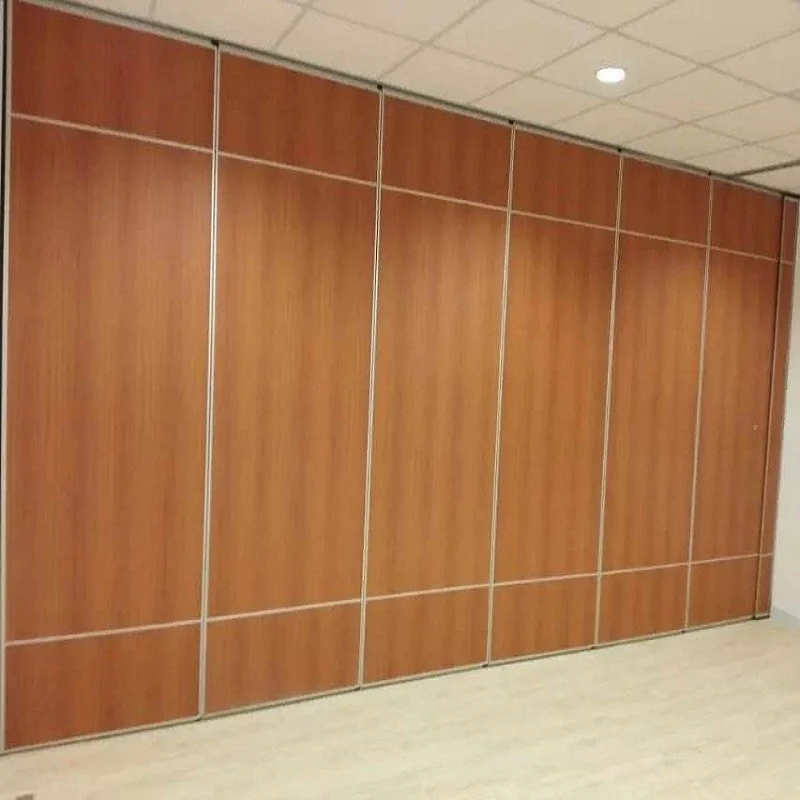
For movable partition packages, the log may record questions about finish options, pass-door requirements, or stacking arrangements. The answer may confirm that laminate, melamine, fabric, leather, glass, and other approved surfaces can be discussed. It may also confirm that straight, turning, and stacking routes are reviewed from the layout.
Coordinating Traceability Across Disciplines
Each discipline may raise queries that affect the others. Traceability helps the project team see those connections.
Procurement and tender review coordination should include a regular check that the log is complete and that source queries are retrievable. This is not a one-time task. It continues through addenda, post-tender clarifications, and any negotiation that changes scope.
Decision Checklist for Log Reviews
- Does every log entry have a unique reference and a retrievable source query?
- Is the answer linked to the specific documents it changes?
- Are superseded entries clearly marked and linked to their replacements?
- Have all open queries been reviewed against the latest drawing and specification issue?
- Are product statements limited to confirmed facts, with project-specific requirements flagged for separate confirmation?
- Is the log stored where all authorized reviewers can access it?
Common Traceability Gaps and How to Avoid Them
One common gap is the verbal clarification. Later, no one can prove what was asked or answered.
Another gap is the paraphrased query. When a query is summarized, important conditions can be lost. The log should keep the original wording or attach the original file. A summary can be added for readability, but it should not replace the source.
A third gap is the orphan answer. An answer appears in an addendum but no one can find the query that prompted it. This makes the addendum hard to evaluate.
Applying Traceability to Movable Partition Specifications
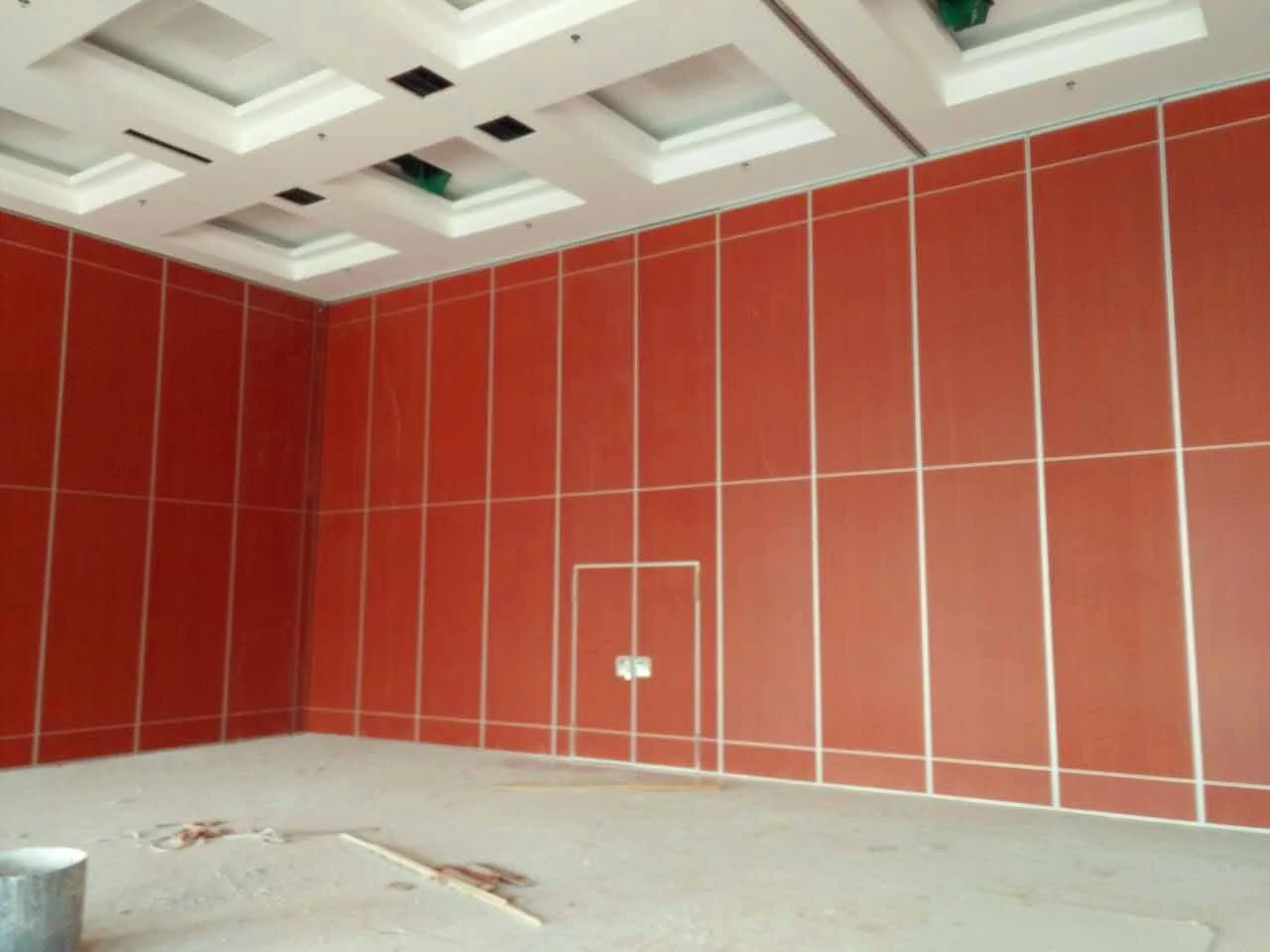
When the tender includes movable partitions, the clarification log may cover topics such as finish options, pass-door requirements, stacking positions, and route review. Each of these topics should be traced to a source query so that the project team can see why the clarification was needed and which documents it affects.
For example, a query about whether panels can cross an opening without a floor track should be answered with the confirmed fact that panels are top-hung and move without a continuous floor running track.
Similarly, a query about acoustic separation should be handled conceptually.
Frequently Asked Questions
What is the difference between a clarification log and a source query?
The clarification log is the controlled record of questions and answers. The source query is the original communication or document that raised the question. Traceability means the log entry points back to that source.
How long should source queries be kept?
Retention periods depend on the project contract and local requirements. The project team should confirm the applicable retention rule and keep source queries accessible for at least that period.
Can a verbal clarification be traced?
Only if it is written up and linked to a source query reference. A verbal answer with no written record is difficult to trace and should not be treated as part of the formal tender record.
Does traceability require special software?
No. A controlled spreadsheet or document register can work if it is consistently maintained and the source queries are stored where reviewers can retrieve them.
How does traceability affect movable partition specifications?
It helps the project team see which clarifications changed the specification and whether those changes are reflected in the current issue. Product statements should remain within confirmed facts, and project-specific support, acoustic, and dimensional requirements should be confirmed separately.
What should be done when a source query cannot be found?
The log entry should state that the source is unavailable rather than invent one. The project team can then decide whether to re-raise the query or treat the answer as a proactive clarification.
Conclusion
Tender clarification log source query traceability is a discipline, not a document. It requires unique references, retrievable source queries, linked answers, and regular reviews against the current issue. For movable partition packages, it also requires a clear boundary between confirmed product facts and project-specific requirements that still need coordinated review. By keeping that boundary visible, project teams can reduce ambiguity without overstating what the evidence supports.
If your project involves movable partitions and you need to discuss pass-door requirements, finish options, or project documentation, contact EBUNGE to start a project-specific conversation. You can also review the movable wall product range and explore additional planning resources before finalizing your tender clarifications.