
Quick project answer
Review focus: track fixing scope.
A tender addendum track fixing scope change review is not a paperwork formality. When an addendum shifts who supplies, coordinates or accepts the overhead track fixing, the change can affect drawings, interfaces, approvals and the commercial basis of every related package. For overseas project teams, the practical question is simple: what exactly moved, and what evidence is needed before anyone prices or fabricates?
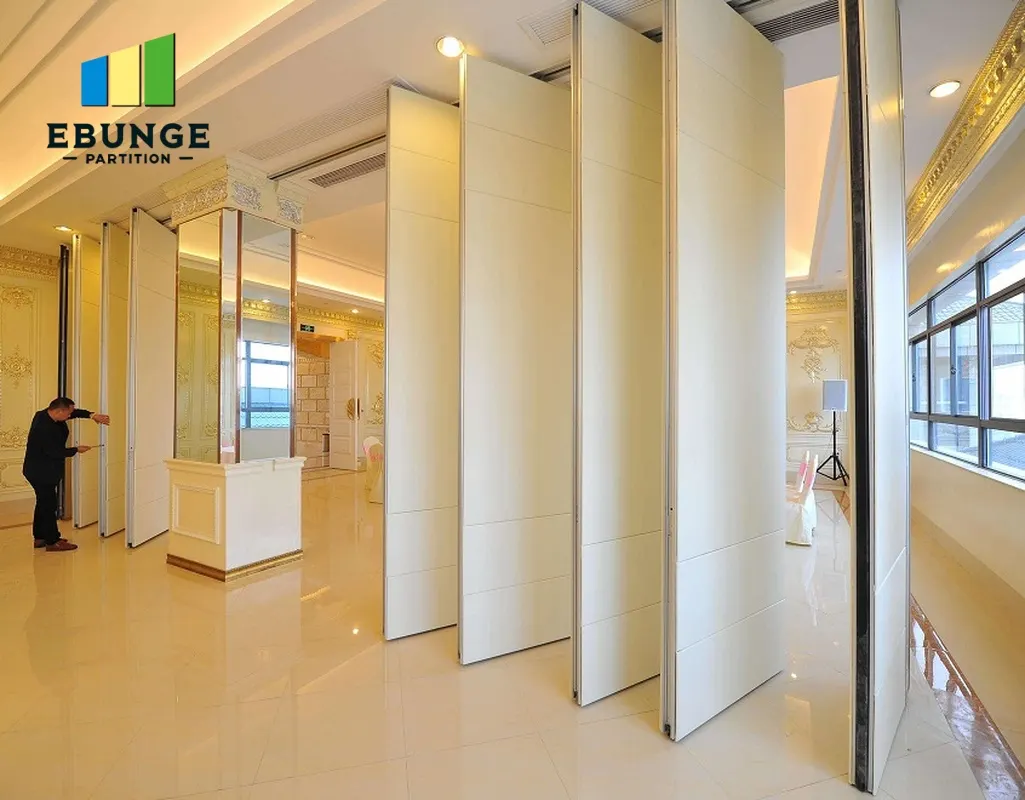
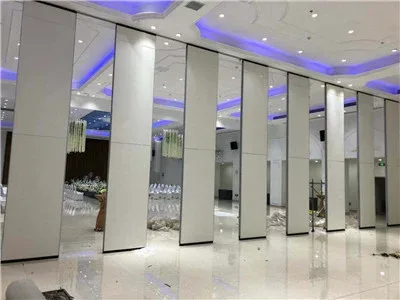
EBUNGE movable partition panels are individually movable, suspended from a top track, cross the opening without a floor track, and park at a planned stacking position. Straight, turning and stacking routes are reviewed from the layout. That maintained product context is the starting point for reading any addendum that touches track fixing scope.
Why Track Fixing Scope Is a Common Addendum Target
Project review term: track fixing scope.
Track fixing sits between several packages. The suitability of each route and parking arrangement depends on the approved layout, circulation, ceiling interfaces and operating sequence.
Because the panels are top-hung and cross the opening without a floor track, the overhead route and its support condition matter to the whole movement path. A scope change that looks minor on one line can alter who must confirm the supporting structure, who reviews the route, and who accepts the finished condition.
What the addendum may actually change
- Responsibility for reviewing the supporting structure along the full movement route.
- Responsibility for confirming the parking position and stacking arrangement shown on the layout.
- Responsibility for documentation, approvals and interface sign-off.
- Responsibility for finish selection where the addendum also revises the specification.
None of these items can be confirmed from the addendum wording alone.
Read the Addendum Against the Original Tender Documents
Start by placing the addendum beside the original specification, drawings and schedule. Mark every clause that mentions track, support, ceiling, structure or interface. Then ask which party held that obligation before the addendum and which party holds it now.
Where the addendum is silent, do not assume the obligation disappeared. Silence usually means the original wording still applies, or that the point needs a formal clarification. A written query is safer than an internal assumption.
A compact review sequence
- Log the addendum number, date and issuing party.
- Highlight every clause touching track, support, ceiling, structure or interface.
- Compare each clause with the original tender scope and drawings.
- List the obligations that moved, and the obligations that remain unclear.
- Issue clarification requests before pricing or fabrication proceeds.
- Record the agreed position in the project documentation set.
Drawing and Interface Evidence to Request
A scope change cannot be priced responsibly without drawings that show the intended condition.
Ask for the parking position to be shown clearly. Parking style is customized to the customer layout and project requirements and may support compact stacking when the coordinated design permits it. That coordination is a design decision, not a default.
Evidence note
Do not infer structural capacity, acoustic performance or installation outcomes from a drawing symbol, a finish sample or an addendum clause. Those items require project-specific confirmation and matching evidence.
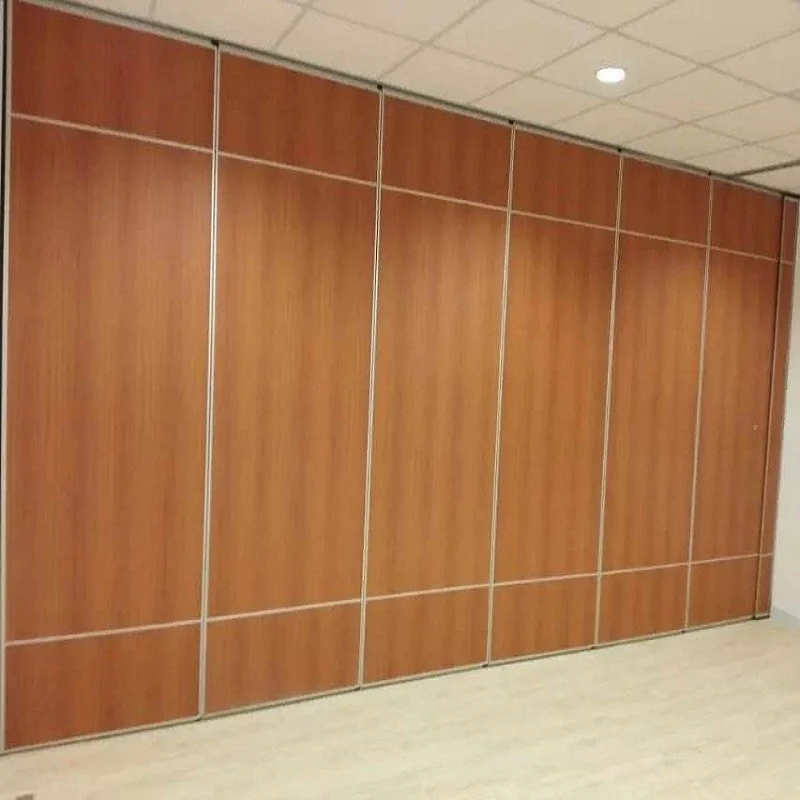
If the addendum changes the finish specification, confirm which surfaces are approved for the project. Confirmed finish options include laminate, melamine, fabric, leather, glass and other approved surfaces.
Acoustic and Sealing Concepts in Scope Discussions
Seals and acoustic concepts can be explained generically, but the application reference requirement must be confirmed against the specification and the reviewed layout.
If an addendum touches acoustic scope, check whether it changes the required rating, the tested configuration, or the interface conditions around the opening. Do not accept a rating statement that is not tied to a defined configuration and a defined project condition.
Commercial and Programme Implications to Flag
A track fixing scope change can affect pricing, lead times and site sequencing, but those effects must be assessed by the responsible parties using project-specific information. Panel handling and the operating sequence must be confirmed for the selected layout and project conditions.
Flag any change that alters the supporting structure review, the ceiling coordination, the parking arrangement or the approval route. Each of these can affect when the partition package can proceed.
Decision checklist before acceptance
- Is the revised scope written clearly, with named responsibilities?
- Are current drawings issued for the affected area?
- Has the full movement route been reviewed, including turning and stacking?
- Is the parking position shown and coordinated?
- Are finish and acoustic requirements confirmed against the specification?
- Are pass-door requirements and project documentation discussed where relevant?
- Is there a written record of the agreed position?
Coordinating the Review Across Project Teams
Contractors, architects, interior designers, owners and renovation teams should each confirm the parts they control.
Where the addendum affects the partition package, share the revised scope with the partition supplier early. The supplier can then confirm what information is needed to review the layout, the route and the parking arrangement.
Keep the review evidence-based. Visible references can support layout discussion but do not verify hidden construction or performance. Those claims require matching evidence and project-specific confirmation.
Frequently Asked Questions
Does a tender addendum automatically transfer track fixing responsibility?
No. The addendum must be read against the original tender documents. If the wording is unclear, issue a formal clarification request and record the agreed position in writing.
What drawings are needed to review a track fixing scope change?
The layout should show straight, turning and stacking routes and the planned parking position.
Can the addendum change the acoustic requirement?
It can change the specification wording, but the acoustic requirement must be confirmed against a defined configuration and project condition.
Does a scope change affect finish selection?
It may. Confirmed finish options include laminate, melamine, fabric, leather, glass and other approved surfaces.
When should the partition supplier be involved?
Involve the supplier as soon as the addendum touches the partition package. Early involvement helps confirm what layout, route and documentation information is needed for review.
Can parking and stacking be confirmed from the addendum alone?
No. Parking style is customized to the customer layout and project requirements and may support compact stacking when the coordinated design permits it. It must be reviewed from the layout.
Conclusion and Next Steps
A tender addendum track fixing scope change review should end with a written, drawing-backed position that names responsibilities and confirms the movement route. Work from the maintained product facts: panels are individually movable, top-hung, cross the opening without a floor track, and park at a planned stacking position.
Confirm project-specific support, acoustic and dimensional requirements before pricing, fabrication or installation. Where the addendum is unclear, ask rather than assume.
To discuss pass-door requirements, project documentation or a layout review, contact the EBUNGE team. You can also review the movable wall product range and the project resources before your next tender review meeting.