
When planning a school hall, the acoustic performance of a movable partition is often the most uncertain part of the design. You need to balance sound privacy for simultaneous activities, but you also have to manage installation complexity, durability, and budget. This FAQ article is built around the questions interior designers ask most about an stc rating movable partition for school halls. It focuses on what you need to know before requesting a quotation, how to communicate your requirements clearly, and what technical details matter most. We’ll guide you through the critical decisions, from opening size to acoustic targets, so you can move forward with confidence.
Quick answer: An STC rating movable partition for a school hall is a movable wall system engineered to reduce sound transmission between spaces, with the STC (Sound Transmission Class) rating indicating its effectiveness. For a school hall, the right rating depends on your acoustic target, the partition’s construction, and how well it seals at the top, bottom, and sides. To get an accurate quote, you’ll need to share your opening size, drawings, acoustic goals, finish preferences, and project location. The system uses a top-hung track without a floor rail, which simplifies installation and maintenance.
Stc Rating Movable Partition: What Does STC Rating Mean for a Movable Partition in a School Hall?
The STC rating is a single-number rating that measures how well a partition reduces airborne sound transmission. A higher STC means better sound insulation. For a school hall, you might see STC ratings ranging from 30 to 50 or more. But the rating alone isn’t enough—you need to consider the entire assembly, including seals and gaps. A movable partition wall can only achieve its rated performance if it’s properly installed and maintained.
When you request a quotation, the supplier should ask about your acoustic target. For example, if you’re dividing a large hall for a music class and a drama rehearsal simultaneously, you’ll need a higher STC than if you’re just separating for a meeting. Be specific about the activities that will occur in each space.
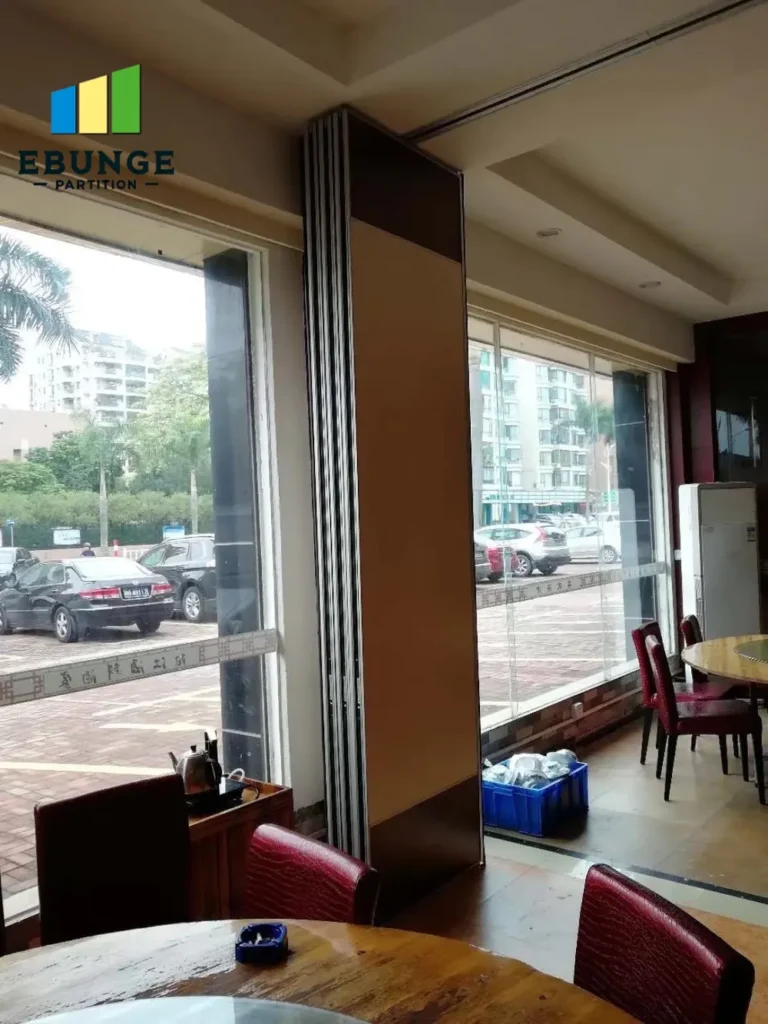
Need help turning the stc rating movable partition requirements into a practical project layout?
How Is a Top-Hung Track System Different from Floor-Rail Systems?
Our movable partition systems use a top-hung track, which means the weight is supported from the ceiling structure, and there is no floor rail. This design offers several benefits for school halls:
- Safety: No floor rail means fewer trip hazards and easier cleaning.
- Accessibility: A flat floor is essential for wheelchair access and flexible furniture layouts.
- Installation: The track is installed to the overhead structure, which may require structural reinforcement.
However, the top-hung system requires careful coordination with your structural engineer to ensure the ceiling can support the partition’s weight. This is a key consideration for your project timeline.
What Acoustic Performance Can I Expect from a Movable Partition Wall?
Acoustic performance is not just about the STC rating; it’s about how the partition integrates with the surrounding structure. The seals at the perimeter are critical. A movable partition wall will have acoustic seals that compress against the floor, ceiling, and side walls to minimize sound leakage. The effectiveness of these seals depends on the flatness and alignment of the surrounding surfaces.
For a school hall, you might also need to consider sound flanking paths, such as HVAC ducts or gaps above a suspended ceiling. The supplier should conduct a site survey to identify potential issues. Always request a performance specification that includes the STC rating and details about the seals.
How Do I Choose the Right STC Rating for My School Hall?
Choosing the right STC rating involves balancing acoustic needs with budget and space. Here’s a simple guide:
| Activity Separation | Suggested STC Range | Typical Use |
|---|---|---|
| General meetings | STC 35-40 | Conversations, presentations |
| Music or performance | STC 45-50 | Band practice, theater |
| Simultaneous classes | STC 50+ | Two separate teaching spaces |
Remember, the STC rating is measured in a laboratory. Field performance may be lower due to installation conditions. Always discuss your acoustic target with the supplier and ask for a performance guarantee that is realistic for your project.

What Are the Key Technical Requirements for Installation?
Installing a movable partition wall in a school hall requires careful planning. Key technical requirements include:
- Structural support: The top-hung track must be fixed to a structural beam or slab that can carry the weight. A structural engineer must verify this.
- Stacking space: When the partition is open, the panels stack at a designated area. This space must be planned in the hall’s layout.
- Power and controls: If the partition is motorized, you’ll need power supply and control switches.
- Fire safety: The partition may need to comply with local fire codes. Ensure the supplier provides a fire-rated option if required.
Your supplier should provide a detailed installation drawing and a site preparation checklist. This helps avoid surprises during installation.
How Durable and Low-Maintenance Is a Movable Partition?
Durability is crucial in a school environment. The partition should be built with robust materials that can withstand frequent use. Look for features like impact-resistant panels, sturdy hardware, and easy-to-clean finishes. Maintenance is generally low, but you should schedule regular inspections of the seals and track to ensure optimal performance.
Ask the supplier about the expected lifespan and what maintenance is required. Some systems may need periodic adjustment of the seals. Avoid making claims about specific durability or maintenance intervals unless they are provided in the supplier’s documentation.
Share the opening, drawings, finish direction, and privacy target for a project-specific review.
What Aesthetic Options Are Available for a School Hall?
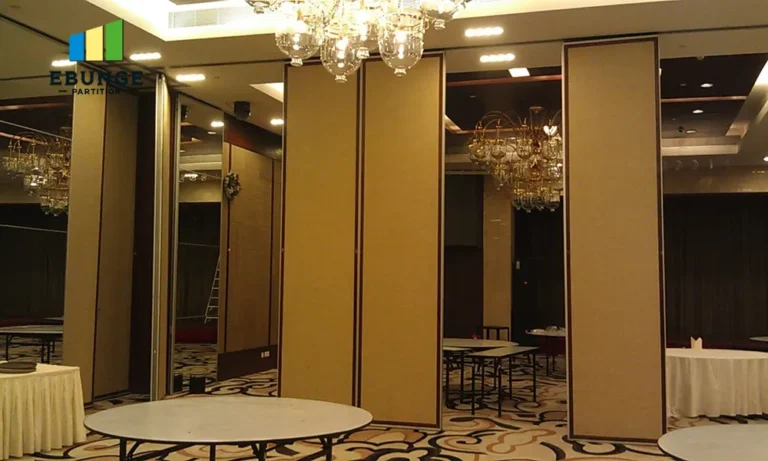
The partition should complement the hall’s design. You can choose from a variety of finishes, including paint, laminate, veneer, or even writeable surfaces for classrooms. The panels can be customized to match your interior design. When requesting a quote, specify your finish preference, as this affects the cost and lead time.
How Can I Ensure a Smooth Project Timeline?
To avoid delays, start planning early. The lead time for a movable partition can be several weeks, depending on customization. Share your project schedule with the supplier so they can advise on production and installation timelines. Also, ensure that the site is ready for installation, including the structural preparation and final finishes.
What Safety Compliance Should I Consider?
Safety is non-negotiable in a school. The partition must comply with local building codes and accessibility standards. This includes ensuring that the partition does not create trip hazards, has proper signage if it’s a fire door, and can be operated safely by staff and students. The supplier should provide documentation of compliance.
Checklist for Requesting a Quotation
To get an accurate quotation for your stc rating movable partition, have the following information ready:
- Opening size (width, height, and depth of the partition area)
- Architectural drawings or floor plans
- Acoustic target (STC rating or specific sound isolation requirements)
- Finish preference (paint, laminate, veneer, etc.)
- Project location (for site survey and logistics)
- Any special requirements (fire rating, motorized operation, writeable surface)
Providing this information upfront will help the supplier give you a more precise estimate and reduce back-and-forth.
Frequently Asked Questions
What is the difference between STC and Rw ratings?
STC is a North American rating, while Rw (Weighted Sound Reduction Index) is used internationally. They are similar but not identical. Always confirm which rating standard is used in your project’s specifications.
Can a movable partition achieve an STC 50 rating?
Yes, some systems can achieve STC 50 or higher, but it requires careful design and installation. The surrounding structure must also be soundproofed. Your supplier can advise on what is achievable for your specific project.
How long does installation take?
Installation time varies based on the size and complexity of the partition. A simple installation might take a few days, while larger systems could take a week or more. Your supplier can provide a schedule based on your project.
Can the partition be moved easily by staff?
Yes, movable partitions are designed for ease of operation. Manual systems use a crank or handle, while motorized systems use a switch. Training is usually provided.
What is the cost of an STC-rated movable partition?
Cost depends on many factors, including size, STC rating, finishes, and automation. We cannot provide a price without a detailed specification. Contact us for a customized quotation.
Conclusion: Your Next Step Toward a Sound School Hall
Choosing the right stc rating movable partition for your school hall is a decision that involves acoustic performance, installation, and budget. By preparing your requirements and asking the right questions, you can ensure a successful project. Remember, the key is to communicate your acoustic target, share your drawings, and discuss your project’s unique constraints.
For more in-depth information, explore our movable partition wall resources, or check our blog for insights on acoustic solutions. If you’re ready to discuss your project, don’t hesitate to contact us for expert guidance.
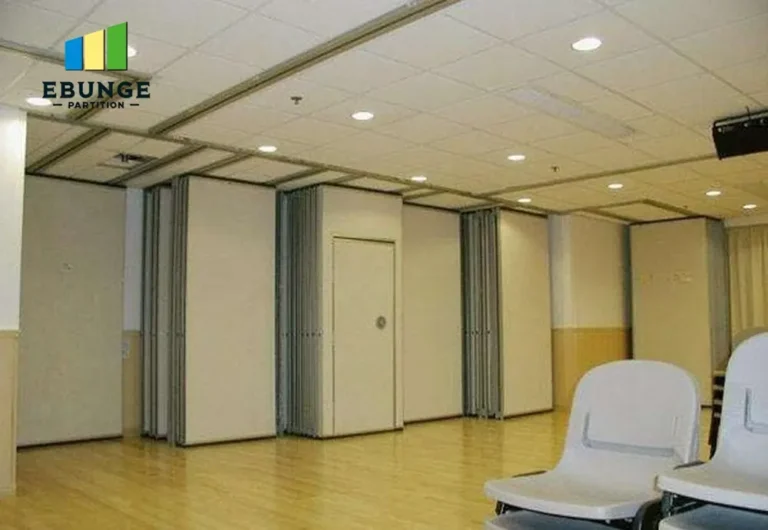
Send the opening size and drawings to discuss a differentiated stc rating movable partition solution.