
When planning a training center, the acoustic performance of interior spaces is often a deciding factor in the success of simultaneous sessions. An STC-rated movable partition installation requires more than selecting a high-performance operable wall system; it demands careful coordination of structural support, track layout, and site conditions. This article guides architects through the technical and planning considerations to ensure a smooth installation and accurate acoustic performance, helping you prepare for quotations and site coordination.
Direct answer: A successful STC rating movable partition installation in a training center hinges on verifying beam support for the top-hung track system, planning the track layout to accommodate HVAC and lighting, and coordinating site logistics to avoid installation risks. Share your opening size, drawings, acoustic target, finish preference, and project location with your supplier to get an accurate quotation and installation plan.
Why STC Ratings Matter for Training Centers
Training centers often host multiple classes, presentations, or workshops simultaneously. An STC rating movable partition is essential to contain sound and minimize distractions between adjacent spaces. The STC (Sound Transmission Class) rating indicates how well a partition reduces airborne sound. For training environments, a rating of 45-50 is common, but the exact target depends on the specific activities and background noise levels. As an architect, you must define the acoustic requirement early, as it influences the wall construction, seals, and installation details.
Remember that the STC rating is only as good as the installation. Gaps, poor seals, or improper track alignment can significantly degrade performance. Therefore, planning for a meticulous installation is as critical as selecting the right operable wall system.
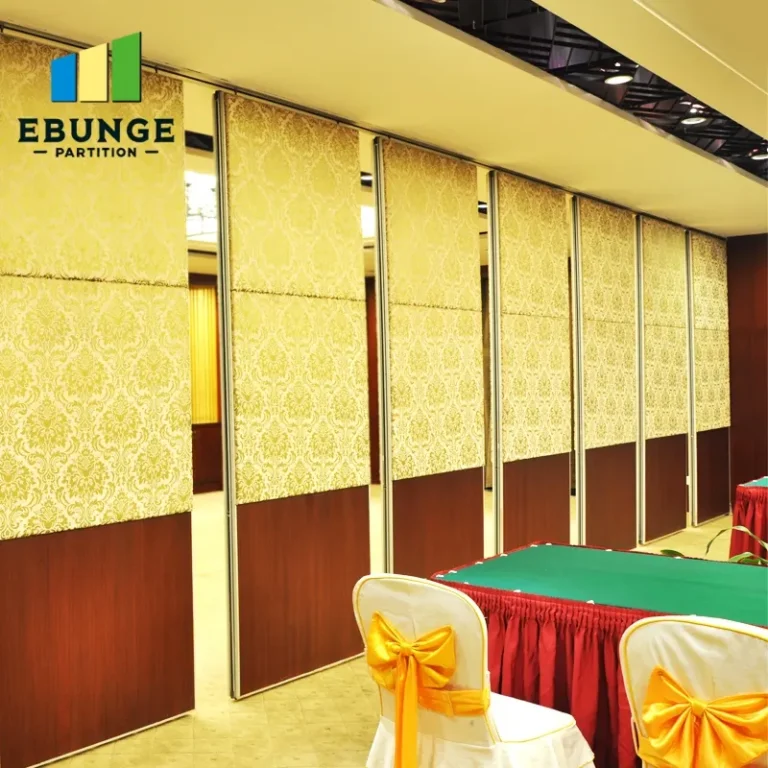
Need help turning the movable partition installation requirements into a practical project layout?
Structural Considerations: Beam Support for Top-Hung Tracks
Most modern movable partitions, including acoustic partition solutions, use a top-hung track system. This means the entire weight of the partition is supported from above, requiring robust beam support. Before installation, the structural engineer must confirm that the overhead beams can handle the dead load of the partition, plus dynamic loads during operation. The track layout must be aligned with the structural grid to avoid overloading beams or requiring costly reinforcements.
For training centers with long spans or irregular ceiling grids, consider a custom movable wall design that distributes weight across multiple hanger rods. The supplier should provide detailed load calculations based on your drawings. If beam support is inadequate, you may need to add steel reinforcements or choose a lighter partition system, which could affect the STC rating. Always verify these details before ordering.
Track Layout Planning: Integrating with HVAC and Lighting
The track layout for a movable partition wall must account for existing building services. HVAC ducts, sprinkler heads, and lighting fixtures often occupy the ceiling space where the track will run. Proper coordination ensures that the track does not interfere with these systems and that the partition can stack neatly when open. For example, if a lighting fixture sits directly in the stacking area, it may obstruct the partition or be damaged during operation.
Work with your mechanical and electrical engineers to map out the ceiling zones. The partition track should be installed in a clear zone, and any penetrations for HVAC or lighting should be sealed to maintain the acoustic integrity. Additionally, consider the location of the track relative to the partition stacking area; this affects the usable floor space when the wall is open. A well-planned track layout minimizes wasted space and ensures smooth operation.
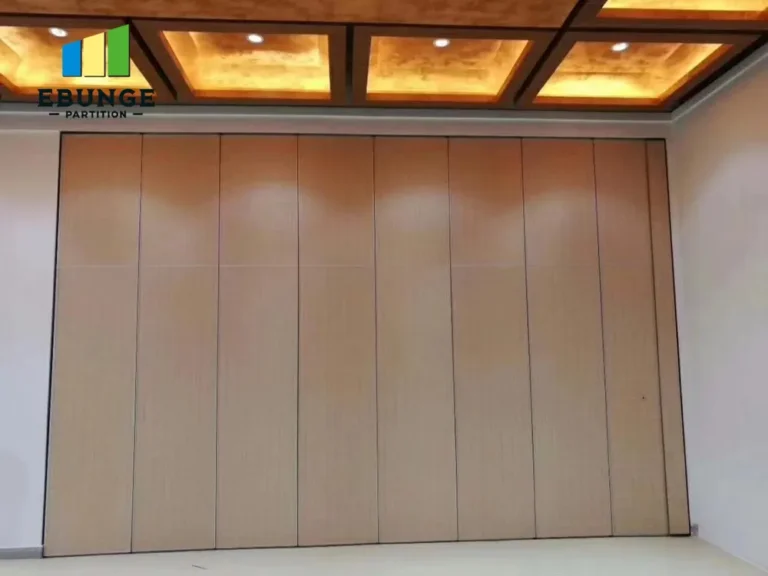
Site Coordination: Managing Installation Risks
Installation of a movable partition wall involves multiple trades: structural, mechanical, electrical, and the partition installer. Poor coordination can lead to delays, damage, or acoustic leaks. To mitigate risks, establish a clear installation sequence and hold pre-installation meetings. The partition installer should have access to the site before other finishes are completed, especially in the ceiling and floor areas.
Ensure that the floor is level and free of debris, as the bottom seal must make consistent contact. If the floor is uneven, the partition may require adjustable bottom seals or a floor channel, which could affect the STC rating. Also, protect the partition panels during installation to avoid dents or scratches, especially in high-traffic training areas. A detailed installation schedule, shared with all stakeholders, reduces surprises and keeps the project on track.
Durability and Maintenance in High-Traffic Areas
Training centers experience heavy use, with partitions frequently moved to reconfigure spaces. This demands an operable wall system built for durability. Look for partitions with robust hardware, such as heavy-duty rollers and handles, and surfaces that resist scratches and impacts. The supplier should offer maintenance guidelines, including periodic checks of the track, seals, and moving parts. Regular maintenance extends the life of the partition and preserves its acoustic performance.
For high-traffic areas, consider partitions with impact-resistant facings or protective bumpers. Discuss the expected frequency of operation with the supplier to ensure the selected system is rated for that level of use. While durability is important, it should not compromise the acoustic rating. Balance both factors based on your specific training center needs.
Share the opening, drawings, finish direction, and privacy target for a project-specific review.
Compliance with Building Codes and Accessibility
Movable partition installation must comply with local building codes, including fire safety, accessibility, and structural integrity. The partition should not obstruct exit paths or interfere with fire suppression systems. Ensure that the track and stacking areas are clearly marked and that the partition does not create trip hazards. Accessibility requirements may dictate the width of openings when the partition is open, so plan accordingly.
The supplier should provide documentation that the partition meets relevant standards, but the final approval rests with the local authority. As an architect, you must verify that the installation plans align with code requirements and obtain necessary permits. Early coordination with the building department can prevent costly changes later.
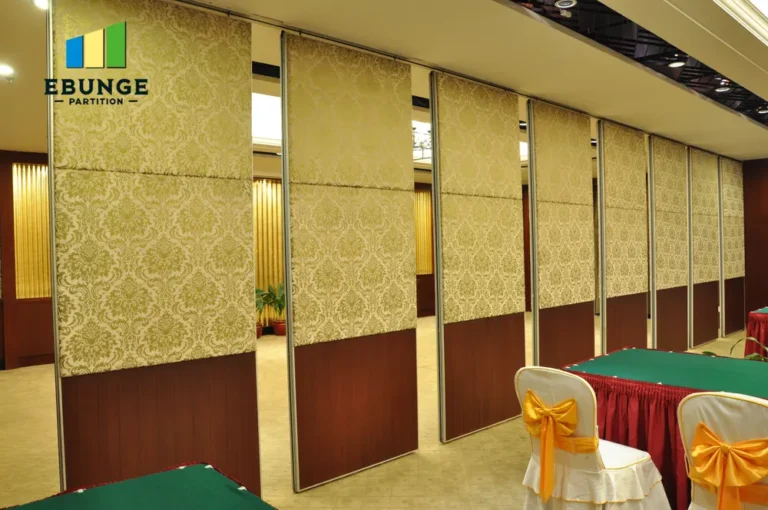
Preparing for Quotation: What to Share with Your Supplier
To get an accurate quotation for your STC rating movable partition, prepare a comprehensive package that includes:
- Detailed floor plans and elevations showing the partition location and stacking area.
- Ceiling structural drawings indicating beam locations and load capacities.
- Acoustic target (STC rating) and any acoustic test requirements.
- Finish preferences (e.g., fabric, vinyl, wood veneer) and color samples.
- Project location and site access details.
- Expected installation timeline and any phasing requirements.
Sharing this information upfront allows the supplier to provide a detailed proposal, including installation guidance and potential challenges. It also speeds up the quotation process and reduces the risk of misunderstandings. Remember to ask for a written scope of work and clarify what is included in the price, such as delivery, installation, and after-sales support.
Practical Checklist for Movable Partition Installation
Use this checklist during planning and installation:
| Phase | Item | Status |
|---|---|---|
| Design | Define STC rating target | ☐ |
| Design | Coordinate track layout with HVAC and lighting | ☐ |
| Design | Confirm beam support with structural engineer | ☐ |
| Pre-installation | Check floor levelness | ☐ |
| Pre-installation | Schedule pre-installation meeting | ☐ |
| Installation | Verify track alignment | ☐ |
| Installation | Test partition operation | ☐ |
| Post-installation | Inspect acoustic seals | ☐ |
| Post-installation | Obtain as-built documentation | ☐ |
Conclusion: Ensuring a Smooth STC Rating Movable Partition Installation
An STC rating movable partition installation for a training center is a complex but manageable project when you focus on structural support, track layout, and site coordination. By addressing these areas early, you reduce installation risks and ensure the partition meets its acoustic targets. Remember to share your project details with the supplier to get a tailored quotation and installation plan. For more insights on movable partition walls, explore our resources on movable partition walls and installation guides. If you have specific questions, our team is ready to assist you through our contact page.
Frequently Asked Questions
What is an STC rating and why is it important for a movable partition?
STC (Sound Transmission Class) measures how well a partition reduces airborne sound. For training centers, a higher STC rating ensures less noise transfer between rooms, which is crucial for concentration and speech privacy. The exact rating needed depends on the activities and background noise levels.
How much beam support is required for a top-hung movable partition?
The beam support must carry the full weight of the partition, including dynamic loads during operation. A structural engineer should calculate the load based on the partition weight and span. Typically, steel beams or reinforced concrete are suitable, but you must confirm with the supplier and engineer.
Can a movable partition be installed if the ceiling has HVAC ducts and lighting?
Yes, but careful planning is needed. The track must be routed around these obstacles, and any penetrations must be sealed to maintain acoustic performance. Work with your MEP engineers to design a clear track zone.
What maintenance does a movable partition require in a high-traffic training center?
Regular maintenance includes checking the track for debris, lubricating moving parts, and inspecting seals for wear. Depending on usage, you may need to adjust the bottom seals periodically. Follow the supplier’s maintenance schedule to ensure longevity and performance.
How can I ensure the STC rating is achieved after installation?
Ensure that all gaps are properly sealed, the partition is aligned correctly, and the bottom and perimeter seals make full contact. Conduct a sound test after installation to verify performance. If the rating is not met, inspect for leaks and adjust seals or alignment.
Send the opening size and drawings to discuss a differentiated movable partition installation solution.