
Quick answer: corridor dogleg circulation review
Review focus: corridor dogleg circulation review.
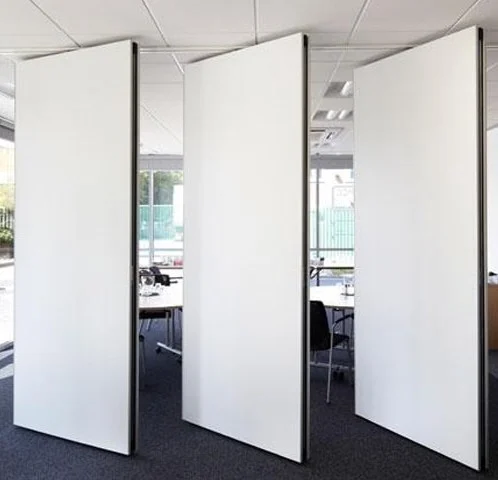
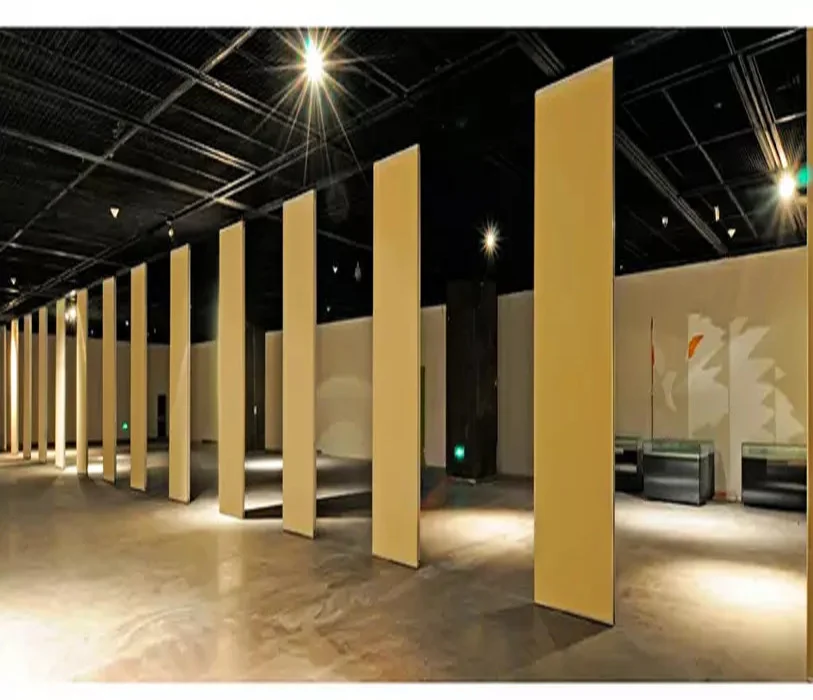
A stacking pocket corridor dogleg circulation review belongs early in project planning, before corridor widths, door positions and ceiling zones are frozen. A dogleg turns an otherwise simple corridor into a sequence of decisions: where panels park, how people pass, and what the drawings must show. EBUNGE movable wall panels are individually movable, suspended from a top track, cross the opening without a floor track, and park at a planned stacking position. That maintained product context is the starting point, not a substitute for project-specific review.
This article sets out an evidence-bounded way to coordinate the review. It does not assign performance, dimensions, support capacity or commercial outcomes. Those items require matching project evidence and confirmation.
Why a Dogleg Changes the Review
Project review term: corridor dogleg circulation review.
A straight corridor offers one dominant sightline and one obvious route. A dogleg introduces a bend, often with reduced visibility, a change of direction and a tighter junction between the corridor and the room opening. When a stacking pocket sits at that bend, the review must consider two movements at once: the travel of people along the corridor and the travel of panels toward their parking position.
The approved product facts confirm that straight, turning and stacking routes are reviewed from the layout. That means the dogleg is not a detail to resolve on site; it is a layout question. If the overhead route is not continuous and connected through the turn, the proposed movement path cannot be assumed. Confirm support and route requirements with the project team.
What the Drawings Should Show
Drawings are the shared language of a circulation review. They should show the corridor envelope, the room opening, the intended stacking position and the path panels follow between them. A plan view alone may hide conflicts that a reflected ceiling plan or section reveals, so coordinate the set rather than reading one sheet in isolation.
Plan-level checks
- Corridor width at the dogleg, at the opening and at the stacking pocket.
- Clear passage retained while panels are parked and while they are moving.
- Door swing, pass-door position and any adjacent service door.
- The suitability of each route and parking arrangement depends on the approved layout, circulation, ceiling interfaces and operating sequence.
Section and ceiling checks
Sections help the team see how the top track relates to the ceiling zone and the structure above. The review should identify where the overhead route runs, how it turns, and where the stacking position sits relative to the corridor bend.
A Step-by-Step Coordination Sequence
- Mark the dogleg, the opening and the proposed stacking pocket on the same plan.
- Trace the panel route from the closed position to the parked position, including the turn.
- The exact route, junction arrangement, continuous overhead path and parking position must be confirmed from the coordinated project drawings.
- Review clear passage for corridor users during both open and parked conditions.
- Confirm pass-door needs and how they interact with the dogleg geometry.
- Issue the coordinated drawing set for project-specific confirmation.
This sequence is a coordination aid, not an engineering approval. Each step should be closed out with the responsible discipline before construction documents are finalised.
Accessibility and Circulation Review Coordination
Accessibility and circulation review coordination brings together the people who own different parts of the same corridor. The architect owns the layout intent; the contractor owns buildability; the interior designer owns finishes and visual continuity; the owner owns operational expectations. A dogleg stacking pocket touches all four.
Use one shared drawing mark for the stacking pocket and one for the movement route. When questions arise, return to the maintained product facts: panels are top-hung, move without a continuous floor running track along the partition line, and park at a planned position. The exact overhead route and support arrangement must be confirmed by the responsible project team from coordinated drawings.
Evidence Boundaries and Specification Notes
A stacking pocket corridor dogleg circulation review specification should separate confirmed facts from items still requiring evidence.
| Item | Status in this article | Action |
|---|---|---|
| Top-hung movement without a continuous floor track | Maintained product fact | Use as planning context |
| Straight, turning and stacking routes reviewed from layout | Maintained product fact | Trace on coordinated drawings |
| Parking style customised to layout | Maintained product fact | Confirm stacking position with project team |
| Acoustic, structural and dimensional performance | Not stated here | Confirm with project-specific evidence |
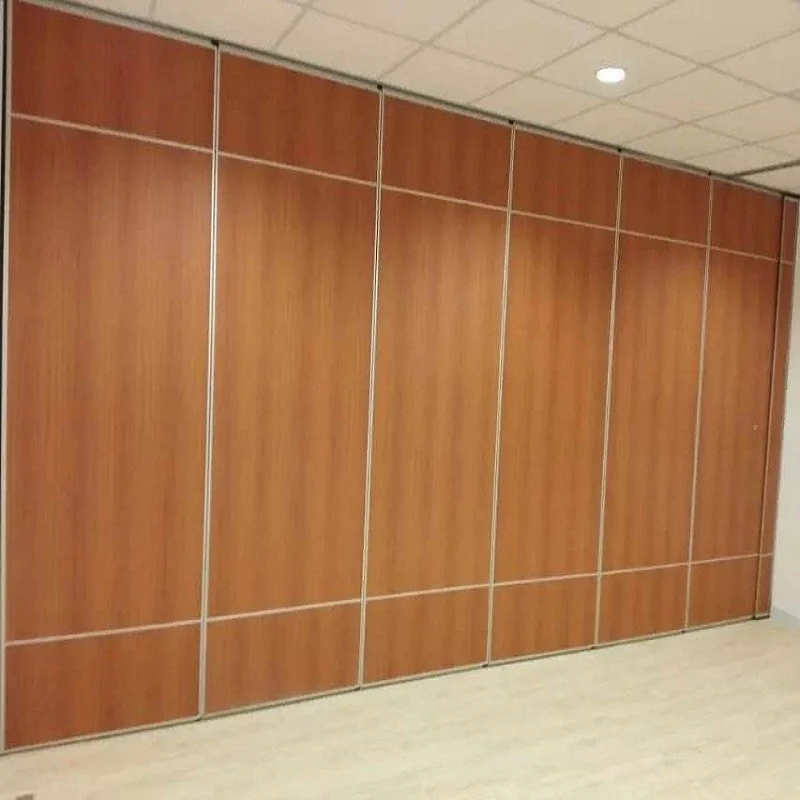
Finish options such as laminate, melamine, fabric, leather, glass and other approved surfaces can be discussed, but a finish choice is not evidence of acoustic, fire or durability performance.
Common Planning Questions
What is a stacking pocket corridor dogleg circulation review?
It is a planning review that checks how people move through a corridor bend while movable panels travel to and park at a stacking position. It coordinates layout, route and documentation before drawings are fixed.
Can panels cross an untracked gap at the dogleg?
No. Every proposed movement path requires a continuous connected overhead route. If the route is interrupted, the layout must be reviewed and confirmed with the project team.
Does a stacking pocket need a floor track?
EBUNGE movable wall panels are top-hung and move without a continuous floor running track or floor hardware along the partition line.
Which drawings should be coordinated?
Use plan, reflected ceiling plan and section views together. The plan shows the dogleg and parking position; the ceiling plan and section help the team review the overhead route and ceiling zone.
How are pass doors handled?
Pass-door requirements can be discussed as part of the layout. Their position should be checked against the dogleg geometry, corridor clear passage and the stacking pocket.
Can acoustic performance be confirmed from this article?
No.
Documentation to Prepare
Include the intended stacking position and any pass-door requirement. This package helps the project team respond with relevant, project-specific information rather than general assumptions.
For broader planning context, review the movable walls product page and the resources library. When the drawing set is ready, contact the team to discuss pass-door requirements and project documentation.
Conclusion
A stacking pocket corridor dogleg circulation review is most useful when it stays within confirmed facts and visible drawing evidence. Trace the route, check the turn, protect clear passage, and record what still needs project-specific confirmation. Confirm support, acoustic and dimensional requirements with the project team before finalising the design. To discuss your layout and documentation, contact EBUNGE.