
When planning a soundproof partition for a church hall, the conversation often starts with aesthetics and acoustic performance. But as an interior designer, you know that the real success of a movable wall system for hotel or community spaces lies in the details that are settled before the first drawing is issued. This guide focuses on quotation readiness and project decision risk, helping you avoid costly surprises by preparing the right information for your acoustic partition supplier. We’ll walk through the critical planning steps, from measuring the opening to specifying finishes, so that your project moves forward with confidence.
Direct answer: To plan a soundproof partition installation for a church hall, you need to confirm the opening size (width, height, and headroom), define the acoustic target (e.g., STC or Rw rating based on the hall’s use), select finishes that match the historic or modern interior, and provide detailed drawings (floor, elevation, and section) to the manufacturer. Engaging factory-direct support early ensures that the partition wall system is tailored to your site, and that storage pockets and track layouts are designed before construction begins. This approach minimizes risk and prepares your quotation for accuracy.
Soundproof Partition: Why Planning Storage Pockets Early Matters for Your Church Hall
One of the most common oversights in church hall projects is the planning of storage pockets—the recessed spaces where the soundproof partition disappears when not in use. These pockets must be integrated into the wall structure during construction, not after. If you wait until the site is built, you may face costly modifications or be forced to use a surface-mounted track, which can compromise the clean look you want. As an interior designer, you need to coordinate with the architect and structural engineer to ensure the pocket dimensions match the partition’s stack size and that the wall can support the weight and forces involved.
For historic buildings, this becomes even more critical. The pocket must be designed to avoid interfering with existing structures, such as decorative moldings or load-bearing columns. Factory-direct support can provide guidance on pocket design and integration, ensuring that your movable partition wall system is both functional and respectful of the building’s character.
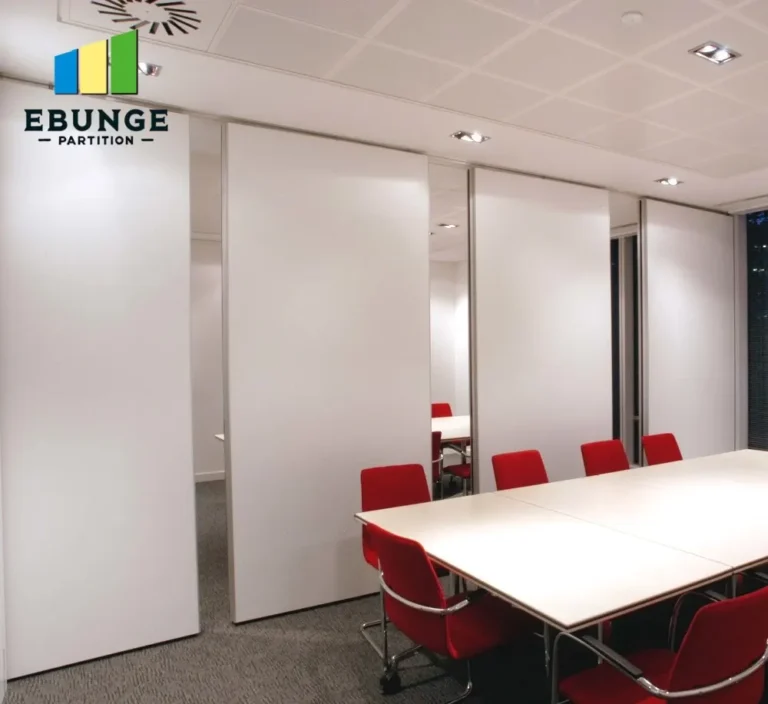
Need help turning the soundproof partition requirements into a practical project layout?
Key Information to Gather Before Requesting a Quotation
To get an accurate quotation for your soundproof partition, you need to provide the manufacturer with specific data. Here’s a checklist of what to prepare:
- Opening size: Measure the width, height, and headroom of the opening where the partition will be installed. Include any obstructions like beams or ductwork.
- Acoustic target: Specify the desired sound insulation performance, such as a certain STC or Rw rating. This should be based on the intended use of the hall—for example, if it will host simultaneous activities, you may need a higher rating.
- Finish preferences: Choose the surface finish (e.g., veneer, laminate, fabric) and color that match the hall’s interior. For historic buildings, you might need to match existing woodwork.
- Drawings: Provide detailed architectural drawings, including floor plans, elevations, and sections, showing the partition location and any adjacent structures.
- Operational requirements: Decide on the operation type (manual or motorized), the number of panels, and whether you need a curved or straight track.
Having this information ready not only speeds up the quotation process but also reduces the risk of misunderstandings that could lead to change orders later.
Understanding Acoustic Performance and What It Means for Your Project
Acoustic performance is often the primary concern for a church hall, where you may need to separate noisy events from quieter ones. However, it’s important to be realistic about what a soundproof partition can achieve. The actual sound insulation depends on the partition’s construction, the seals around the panels, and the surrounding structure. For example, a top-hung track without a floor rail can provide better acoustic sealing because there’s no gap at the floor, but it requires a robust overhead support.
When discussing acoustic targets with your supplier, ask for the partition’s test data, but also consider that field performance may differ from lab tests due to flanking paths. Your supplier can advise on how to minimize these paths, such as by adding perimeter sealing or ensuring the partition extends into the ceiling void. Remember, the acoustic target should be confirmed by a professional acoustician if the hall has specific requirements.
Durability and Maintenance for Frequent Use in a Church Hall
Church halls often see heavy usage, with partitions being moved multiple times a week. Therefore, durability is a key factor. Look for a partition wall system that is designed for high-frequency operation, with robust tracks, rollers, and handles. The materials should be scratch-resistant and easy to clean, especially if the hall is used for children’s activities or community events.
Maintenance is another consideration. Ask about the recommended maintenance schedule and what parts may need replacement over time. A good supplier will provide clear instructions and offer after-sales support. For historic buildings, it’s also essential to ensure that any installation does not damage existing fabric, and that the partition can be removed without leaving permanent marks if needed.
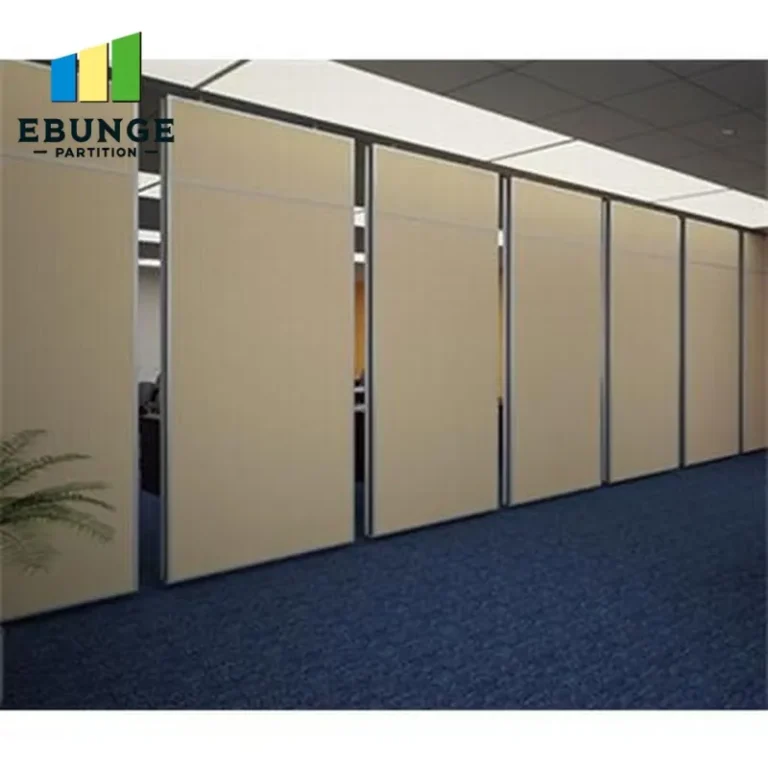
Compatibility with Historic Buildings: Special Considerations
If your church hall is a listed building or has historic significance, you’ll need to work with a supplier who understands the constraints. This may include using non-invasive fixing methods, such as freestanding or ceiling-supported partitions, to avoid drilling into historic walls. The design should also respect the architectural style, with finishes that blend seamlessly.
In some cases, you may need to obtain consent from heritage authorities. Your supplier can help by providing technical details and drawings that demonstrate the partition’s impact. Factory-direct support is particularly valuable here, as they can offer bespoke solutions that meet both heritage requirements and acoustic performance.
Safety and Fire Ratings: What You Need to Know
Safety is non-negotiable in any public building. Your soundproof partition must comply with local fire safety regulations, including fire resistance ratings and emergency operation. Ask your supplier for documentation on fire ratings and ensure that the partition’s operation does not obstruct escape routes. Also, consider the weight and movement of the partition—it should be easy to operate, even for elderly or disabled users, so motorized options might be worth considering.
For a church hall, you may also need to consider acoustic insulation during a fire, as the partition could be used to contain smoke or fire. Your supplier can advise on the appropriate fire-rated partitions and any additional sealing requirements.
Share the opening, drawings, finish direction, and privacy target for a project-specific review.
Ease of Operation and Delivery Timeline
The ease of operation is crucial for the end-users, who may not be technically minded. Manual partitions should have smooth-gliding mechanisms with clear instructions. Motorized partitions offer convenience but require power supply and control systems. Discuss with your supplier the best option for your hall’s usage patterns.
Delivery timelines are often a source of stress. To avoid delays, confirm the lead time at the quotation stage and factor in any site preparation work. A reliable supplier will provide a realistic timeline and keep you updated. Remember to include buffer time for unforeseen issues, especially in renovation projects.
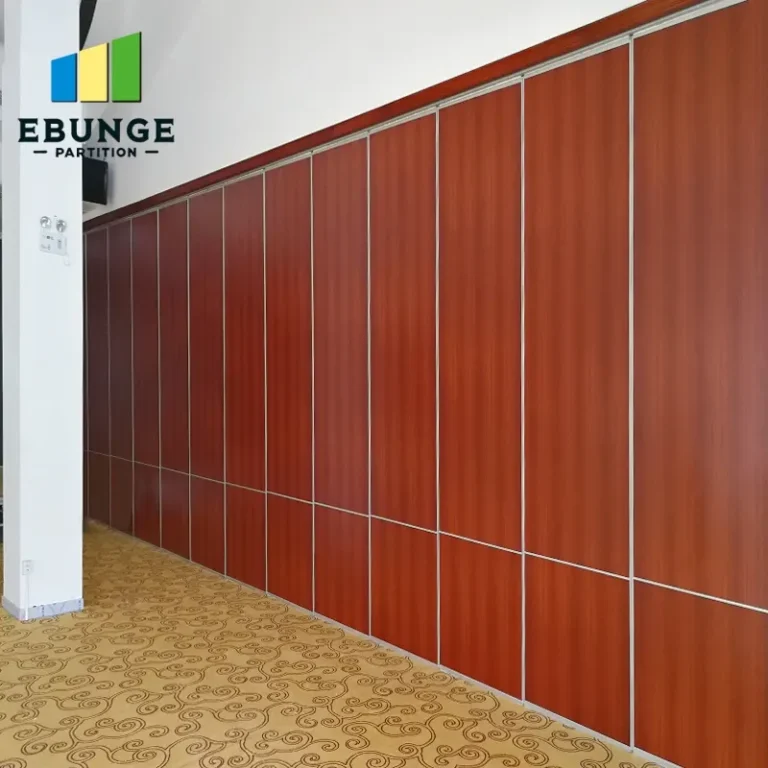
Warranty and After-Sales Support
A comprehensive warranty gives you peace of mind. Check what is covered—typically the track, panels, and seals—and for how long. Also, ask about the supplier’s after-sales service: do they offer installation support, maintenance contracts, or spare parts? For a long-term investment like a movable partition, good after-sales support is essential.
Checklist for Quotation Readiness
Before you approach suppliers, use this checklist to ensure you have everything covered:
| Item | Details to Confirm |
|---|---|
| Opening size | Width, height, headroom, and any obstructions |
| Acoustic target | Required STC/Rw rating, based on usage |
| Finish preferences | Material, color, and texture for panels |
| Drawings | Floor, elevation, and section drawings with dimensions |
| Operation type | Manual or motorized, number of panels |
| Safety requirements | Fire rating, emergency operation, safety sensors |
| Historic constraints | Heritage approvals, non-invasive fixing methods |
| Maintenance plan | Cleaning, lubrication, part replacement schedule |
| Warranty | Coverage duration and what’s included |
Working with Factory Direct Support for a Smooth Project
One of the best ways to reduce project risk is to engage with a manufacturer who offers factory-direct support. This means you can access technical expertise directly, without intermediaries. They can help you interpret your drawings, suggest modifications for better performance, and ensure that the partition wall system is custom-designed for your church hall. This level of collaboration is especially beneficial when dealing with complex installations or historic buildings.
When you contact a supplier, be prepared to discuss your project in detail. Share your drawings and specifications, and ask for their recommendations. A reputable manufacturer will be transparent about what is achievable and will not overpromise on performance.
Conclusion
Planning a soundproof partition installation for a church hall requires careful preparation. By focusing on quotation readiness—gathering accurate measurements, defining acoustic targets, selecting finishes, and providing detailed drawings—you can minimize project decision risk and ensure a smoother process. Remember to engage factory-direct support early, especially for complex or historic projects, and always verify all technical details with the manufacturer. With the right approach, your movable partition wall system will enhance the versatility of the hall while meeting safety and performance expectations.
Frequently Asked Questions
1. What is the ideal acoustic rating for a church hall partition?
The ideal acoustic rating depends on the hall’s usage. For general separation, an STC of 50 is often sufficient, but if you need to isolate loud music or simultaneous events, you may require a rating of 55 or higher. Confirm your specific needs with an acoustician.
2. Can a soundproof partition be installed in a historic building without damaging it?
Yes, but it requires careful planning. Use non-invasive fixing methods like freestanding or ceiling-supported systems, and work with a supplier experienced in historic renovations. Obtain necessary heritage approvals before installation.
3. How much maintenance does a movable partition wall require?
Regular maintenance includes cleaning the panels and tracks, lubricating moving parts, and checking seals. The frequency depends on usage, but a simple inspection every six months is recommended. Your supplier can provide a detailed maintenance guide.
4. What is the typical lead time for a custom partition?
Lead times vary based on complexity and the manufacturer’s workload. On average, you can expect 8-12 weeks from order confirmation to delivery, but always confirm with your supplier and factor in site readiness.
5. Does the partition meet fire safety regulations?
Most reputable manufacturers offer fire-rated partitions that comply with local codes. Always ask for the fire rating documentation and ensure the partition’s operation does not compromise escape routes.
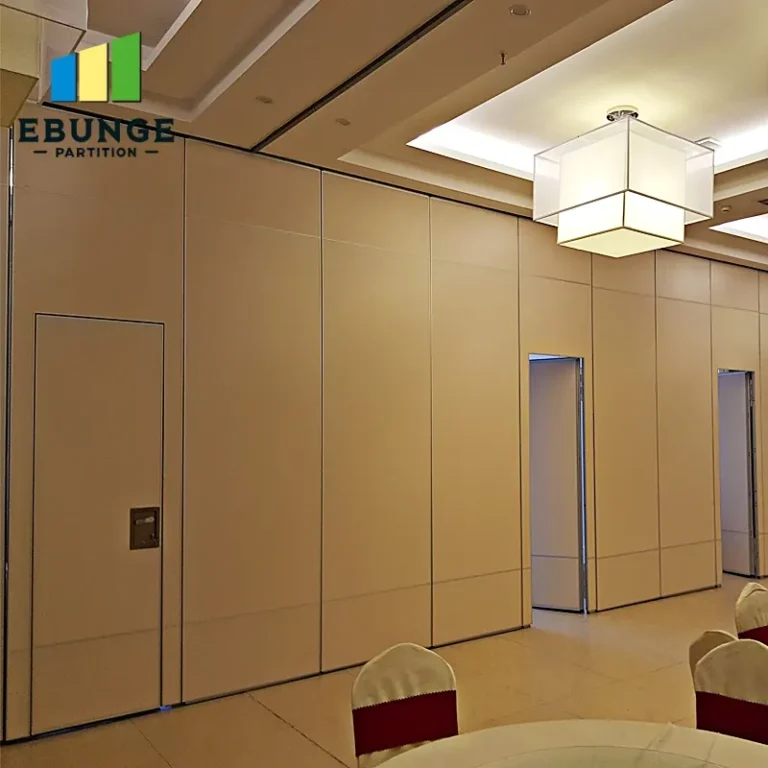
For more insights on movable partitions, explore our movable partition wall solutions and read our blog articles for technical guidance. If you’re ready to discuss your project, contact our team for factory-direct support. Also, check our cost category for budgeting tips.
Send the opening size and drawings to discuss a differentiated soundproof partition solution.