
If you are a trading company without your own factory, planning to supply soundproof partitions for a school classroom, you likely face a critical question: how do you prepare a quotation that protects your margin and avoids project risks? Sourcing from a real factory rather than an unknown trader is essential, but the challenge is translating classroom requirements into a precise, buildable specification. This FAQ article focuses on quotation readiness and decision risk, helping you ask the right questions and gather the necessary data before committing to a price. The goal is to ensure that your soundproof partition solution meets acoustic targets, installation constraints, and compliance needs without surprises.
Direct Answer: To prepare a reliable quotation for a soundproof partition in a school classroom, you must first confirm the opening size, acoustic target (in Rw dB), finish preference, and provide detailed drawings. A factory-direct partner should offer customization, technical support, and installation guidance. Verify their warranty terms and compliance with local building codes. Never rely on verbal promises; get everything in writing.
Why Is the Opening Size Critical for a Soundproof Partition Quotation?
The opening size determines the number of panels, track length, and hardware required. For a school classroom, typical openings might be 4 to 8 meters wide and 2.5 to 3.5 meters high, but exact measurements are essential. If you provide inaccurate dimensions, the factory may quote for a standard size that does not fit, leading to costly adjustments on site. Always measure the actual opening, including floor-to-ceiling height, wall-to-wall width, and any obstructions like beams or ducts. Provide these numbers in your RFQ to get a precise quote.
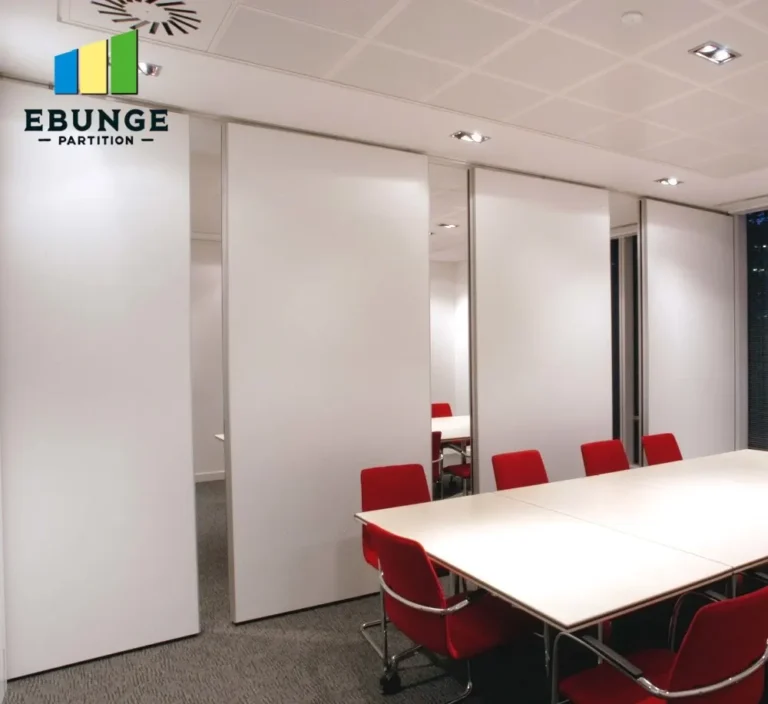
Need help turning the soundproof partition requirements into a practical project layout?
What Acoustic Target Should You Specify for a Classroom Partition?
Acoustic performance is measured in Rw (weighted sound reduction index). For a school classroom, a minimum of Rw 40 dB is often recommended to reduce disturbance between rooms, but the required value depends on the local building code and the specific teaching activities. Do not guess; ask the end-client or architect for the acoustic requirement. If they cannot specify, propose a range (e.g., Rw 40-45 dB) and clarify that the final cost will vary with the acoustic package. Factories can provide test certificates for their standard systems, but custom configurations may require additional testing at extra cost.
How Does Finish Preference Affect the Quotation?
Finish options include laminate, veneer, paint, or fabric wrapping. Each has different costs and lead times. For a school environment, durability and ease of cleaning are important. Laminate is often a cost-effective, low-maintenance choice, while veneer offers a warmer aesthetic but may require more care. Specify the finish colour, texture, and any special requirements like writeable surfaces or magnetic boards. The factory needs this information to calculate material costs and production time. If you are unsure, request samples before finalizing the quote.
Why Are Detailed Drawings Essential for a Movable Partition Wall Installation?
Drawings show the partition layout, panel sizes, track routing, and integration with the building structure. Without them, the factory cannot confirm feasibility or provide an accurate quotation. For a school classroom, you must consider door openings, electrical outlets, lighting positions, and ceiling access. Provide architectural drawings (DWG or PDF) and, if possible, photos of the site. The factory can then design a partition wall system that fits your exact conditions, reducing the risk of installation problems.
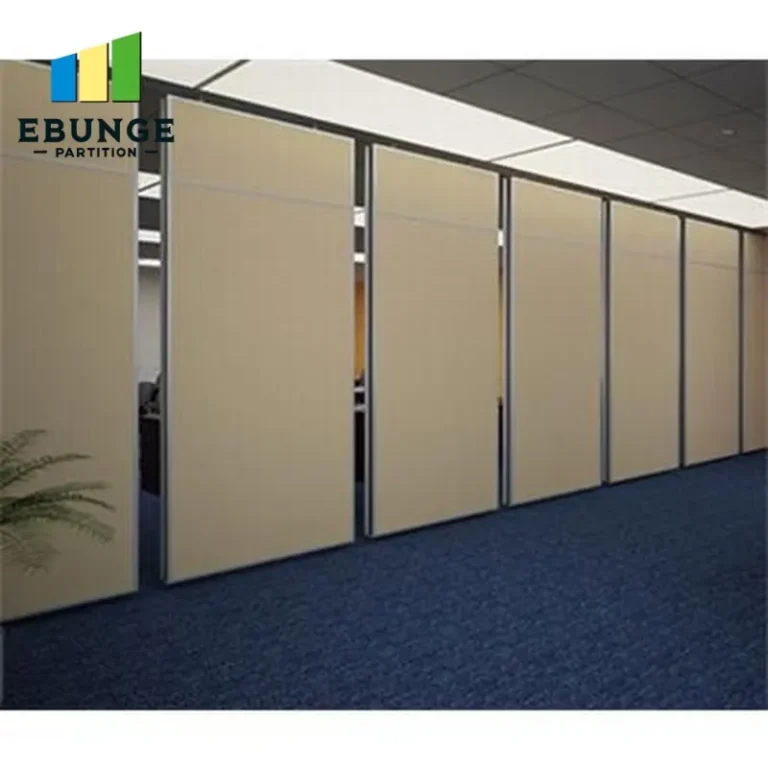
What Are the Risks of Working with an Unknown Trader vs. a Factory Direct Partner?
An unknown trader may not have control over production quality, delivery timelines, or after-sales support. They might also inflate prices or misrepresent product specifications. By working directly with a factory, you gain access to engineering expertise, custom manufacturing, and direct communication. However, not all factories are equal; you must verify their credentials, ask for references, and audit their quality control processes. A factory that offers custom movable partition wall solutions and installation guidance is preferable.
How Do You Verify Product Quality Consistency?
Ask the factory for their quality control procedures, including inspection points during production and final testing. Request sample panels or visit the factory if possible. Check if they have ISO certification or other relevant standards. For a school project, consistency is vital because multiple partitions may be installed in different rooms; any variation in finish or operation could be noticeable. Get a written quality assurance plan and a warranty that covers defects.
What Should You Know About Delivery Reliability?
Delivery delays can disrupt school schedules. Confirm the factory’s production lead time and shipping terms. Ask about their track record for on-time delivery and what remedies are available if they fail. Include delivery milestones in your contract. For international shipments, consider customs clearance and potential delays. A factory with experience exporting to your region may handle logistics more smoothly.
How Is Customization Handled for a School Classroom?
Classrooms often require special features like pass doors, glazing panels, or acoustic seals. Confirm that the factory can customize the partition system to your needs. Provide a detailed list of custom requirements in your RFQ. The factory should be able to offer engineering drawings and advise on feasibility. Customization may affect cost and lead time, so get a breakdown of any extra charges.
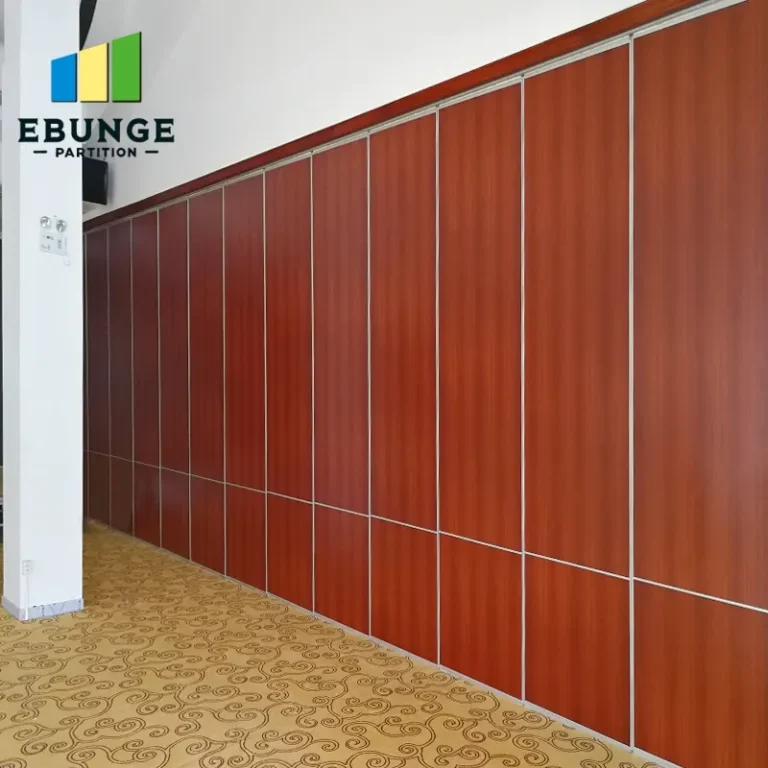
Share the opening, drawings, finish direction, and privacy target for a project-specific review.
What Technical Support and Installation Guidance Is Available?
Even if you do not install the partition yourself, you need to coordinate with the installer. Ask the factory if they provide installation manuals, videos, or on-site supervision. For a top-hung track system without a floor rail, the installation must be precise to ensure smooth operation and acoustic sealing. The factory should be able to answer technical questions and troubleshoot issues. This support is especially valuable if you are new to movable partition wall installation.
How Do Warranty Terms Protect Your Project?
Read the warranty carefully. What does it cover: parts, labour, or both? How long is the warranty period? Are there exclusions for misuse or improper installation? A standard warranty might be 1-2 years, but some factories offer longer. Ensure that the warranty is backed by a reliable entity; if you work with a trader, the warranty may be void. Get the warranty in writing and understand the claims process.
Does the Partition Comply with Local Building Codes?
Building codes vary by region and may cover fire safety, accessibility, and acoustics. Ask the factory for test reports or certifications that demonstrate compliance, such as fire ratings (e.g., EN 13501) or acoustic tests (ISO 10140). If the factory cannot provide these, you may need to hire a local consultant to verify compliance. Non-compliance can lead to project rejection, so address this early.
How Do You Get an Accurate Quotation?
To get a reliable quote, provide the factory with a complete RFQ package:
- Detailed drawings (floor plan, elevation, sections)
- Opening dimensions (width, height, depth)
- Acoustic target (Rw dB) and any test requirements
- Finish preferences (material, colour, texture)
- Number of partitions and total quantity
- Delivery location and required timeline
- Any special features (doors, glazing, etc.)
The factory will then provide a formal quotation with a breakdown of costs. Compare multiple quotes, but focus on value, not just price. The cheapest option may lack quality or support.
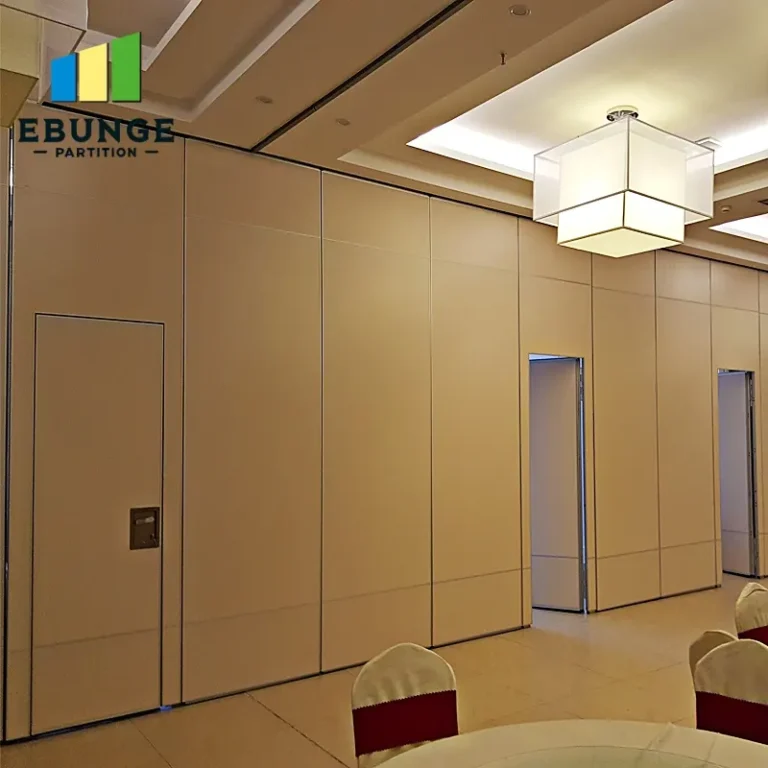
Soundproof Partition Quotation Readiness Checklist
Before you request a quote, use this checklist to ensure you have the necessary information:
| Item | Status |
|---|---|
| Opening size measured (W x H x D) | ☐ |
| Acoustic target specified (Rw dB) | ☐ |
| Finish preference chosen (laminate, veneer, etc.) | ☐ |
| Detailed drawings provided (DWG/PDF) | ☐ |
| Special features listed (doors, glazing, etc.) | ☐ |
| Delivery location and timeline confirmed | ☐ |
| Local building codes reviewed | ☐ |
| Factory’s warranty terms understood | ☐ |
| Technical support and installation guidance confirmed | ☐ |
Conclusion
Preparing a soundproof partition quotation for a school classroom does not have to be a guessing game. By focusing on opening size, acoustic target, finish preference, and detailed drawings, you can reduce decision risk and ensure that your quote is accurate and competitive. Working directly with a factory that offers customization, technical support, and installation guidance is key to a successful project. Remember to verify all claims with documentation and maintain clear communication throughout the process. For more insights, explore our movable partition wall solutions or browse our blog for technical articles. If you need assistance with your specific project, contact us to discuss your requirements.
Frequently Asked Questions
1. How do I measure the opening for a soundproof partition?
Measure the width and height of the opening at multiple points, and note any obstructions like pipes or beams. Provide the minimum dimensions to ensure the partition fits. Also, check the floor and ceiling levels for evenness; if they are not level, the partition may need adjustments.
2. What is a typical acoustic rating for a classroom partition?
For classrooms, an Rw of 40-45 dB is common, but the exact requirement depends on the building code and the noise levels from adjacent areas. Always confirm with the client or acoustic consultant.
3. Can I get a custom finish for the partition?
Yes, most factories offer a range of finishes, including laminate, veneer, paint, and fabric. You can also request custom colors or patterns, but this may increase cost and lead time.
4. How long does delivery take for a custom partition?
Delivery time varies based on the complexity and quantity. Typically, it ranges from 4 to 8 weeks after order confirmation, but you should get a specific timeline from the factory and include it in your contract.
5. What warranty should I expect?
Warranties vary, but a standard warranty is 1-2 years covering manufacturing defects. Some factories offer longer warranties for specific components. Read the warranty terms carefully and keep documentation.
6. Do I need to provide drawings to get a quote?
Yes, drawings are essential for an accurate quote. They help the factory understand the site conditions and design a partition that fits perfectly. If you don’t have drawings, the factory may offer a surveying service.
Send the opening size and drawings to discuss a differentiated soundproof partition solution.