
When you’re specifying a sliding partition wall for a conference room, the supplier you choose can make or break the project’s timeline, budget, and acoustic performance. As an interior designer, you need a partner who understands the nuances of operable wall systems, from top-hung track installation to acoustic seal integrity. This guide focuses on sliding partition wall supplier selection for office meeting rooms, offering practical checks that go beyond glossy brochures. Whether you’re preparing a quotation request or comparing bids, these steps will help you identify a reliable manufacturer who can support your design vision and deliver on site.
Direct answer: For a conference room, the right sliding partition wall supplier is one that offers transparent acoustic data, custom fabrication, and end-to-end project coordination—from initial drawings to overseas delivery. Prioritize suppliers who provide verified test reports, clear lead times, and a warranty that covers installation and operation, not just the product.
Why Supplier Selection Matters for Conference Room Partitions
Conference rooms demand more than just a movable wall; they require acoustic isolation, fire safety compliance, and seamless operation. A poorly chosen supplier can lead to noise leakage, installation delays, or maintenance headaches. Unlike standard office partitions, conference room partitions often need higher Sound Transmission Class (STC) ratings, custom finishes, and integration with AV equipment. The selection process is not just about comparing prices—it’s about assessing the supplier’s engineering capability, quality control, and responsiveness.
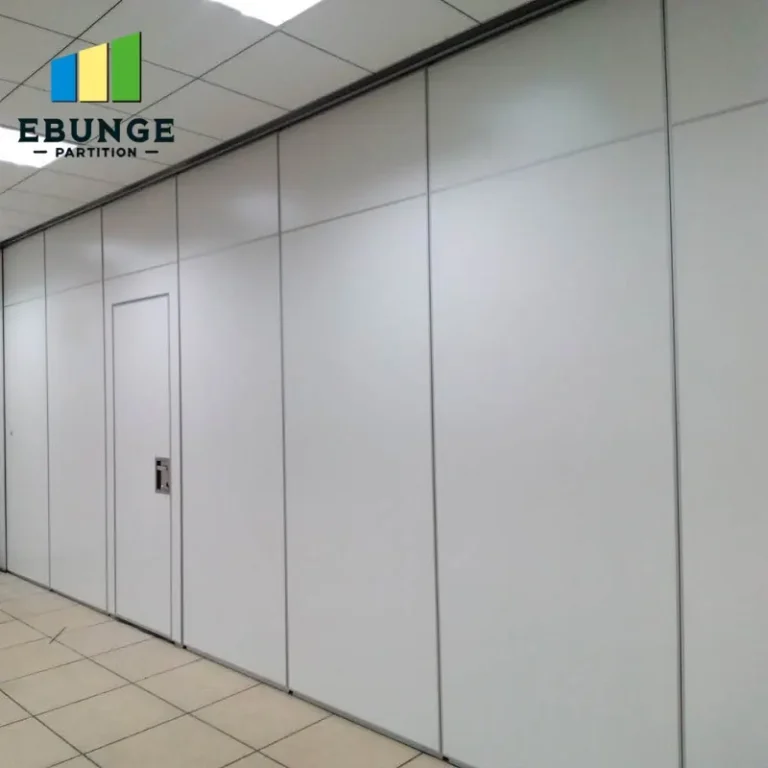
Many designers overlook the importance of the track system. A top-hung track without a floor rail is often preferred in conference rooms to maintain a flush floor finish and ease of cleaning. Ensure the supplier has experience with this configuration, as it requires precise ceiling structure support and careful alignment.
Need help turning the sliding partition wall supplier selection requirements into a practical project layout?
Check 1: Verify Acoustic Performance Data
Acoustic performance is non-negotiable for conference rooms. Ask for STC ratings from independent laboratory tests, not just in-house estimates. For confidential meetings, an STC of 45 or higher is typically recommended, but the exact target depends on the ambient noise level and room usage. Request the full test report, including the frequency range, and confirm that the partition’s seals and perimeter gaskets contribute to the rating.
Remember that field performance can differ from lab tests due to installation quality and flanking paths. A reliable supplier will discuss these factors and offer guidance on achieving the desired acoustic outcome.
Check 2: Confirm Fire Safety Compliance
Conference rooms must meet local fire codes. Ask the supplier for fire resistance ratings, such as ASTM E119 or equivalent, and check if the partition system includes intumescent seals that expand when heated. The supplier should provide documentation of compliance for the specific configuration you intend to use. If the project requires a 60-minute or 90-minute rating, ensure the supplier has tested that exact assembly.
Also, consider the materials used—fire-retardant cores, surface finishes, and insulation. A reputable manufacturer will be transparent about the components and their certifications.
Check 3: Assess Customization and Design Flexibility
Conference rooms often require custom dimensions, unusual shapes, or integrated glazing. A supplier that only offers standard sizes may not meet your design intent. During the quotation phase, provide detailed drawings and ask if they can accommodate custom panel widths, heights, and finishes. Inquire about the range of surface materials—from wood veneers to acoustic fabrics—and whether they can match your palette.
Customization also extends to the track system. For example, a curved or angled track might be needed for an irregular room layout. Ensure the supplier has engineering expertise to handle such complexities without compromising performance.
Check 4: Evaluate Ease of Operation and Maintenance
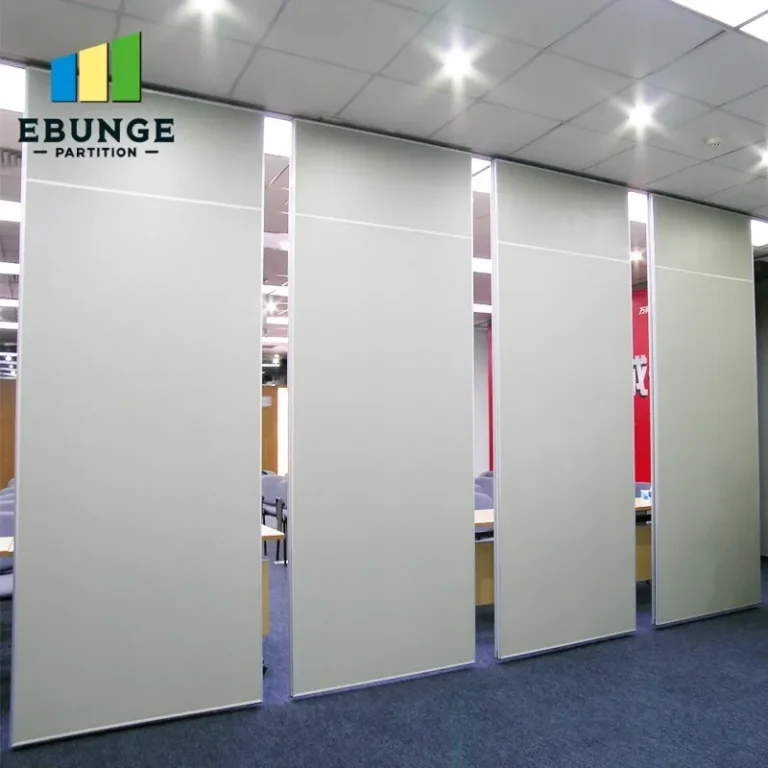
Partitions in conference rooms are used frequently, sometimes daily. The operating mechanism—whether manual or motorized—should be smooth and reliable. Ask about the type of trolleys, ball bearings, and seals used, and request a demonstration or video of the partition in action. A top-hung system should glide effortlessly with minimal effort.
Maintenance requirements are equally important. Inquire about the lifespan of seals and whether they are replaceable. The track should be easy to clean, and the panels should resist warping over time. A supplier that provides a maintenance manual and readily available spare parts is a plus.
Check 5: Review Aesthetic and Finish Options
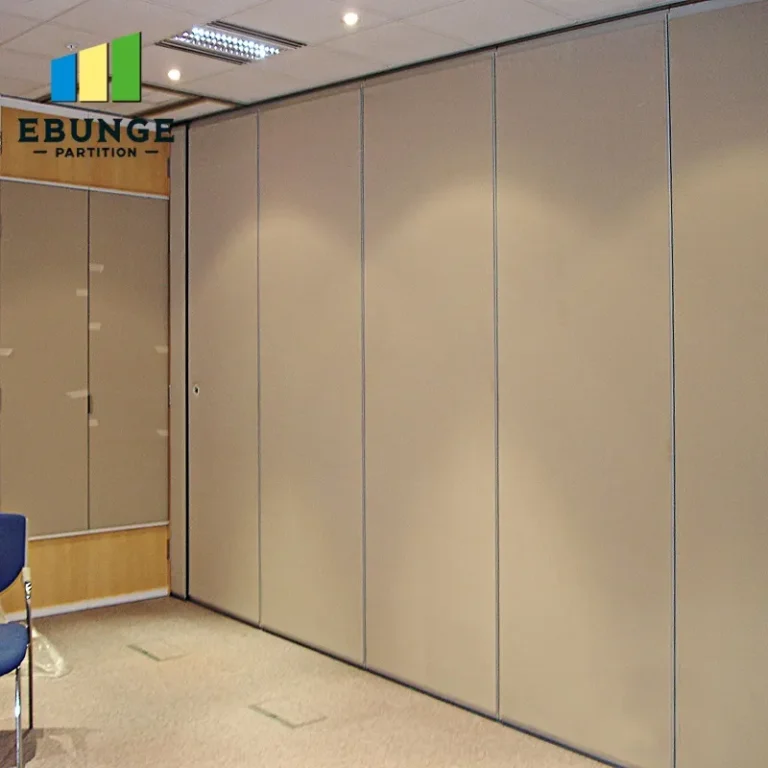
In a conference room, the partition is often a focal point. The supplier should offer a variety of finishes, including wood, laminate, fabric, and glass, with options for custom colors and textures. Ask for samples and ensure the finish is durable enough for high-traffic use. Also, consider the visual seam between panels—flush joints are more aesthetically pleasing but may require precise manufacturing.
If the partition includes glass panels, check the type of glass (tempered, laminated) and the framing system. Aesthetics should complement the overall design without sacrificing acoustic or fire performance.
Check 6: Clarify Budget and Lead Time Transparency
Budget constraints are a reality. Obtain a detailed quotation that breaks down costs for materials, hardware, engineering, and shipping. Be wary of quotes that are significantly lower than average, as they may indicate lower quality or hidden charges. Discuss payment terms and ensure there are no surprises later.
Lead time is critical for project schedules. Ask for the production lead time, shipping time, and any potential delays. A reliable supplier will provide a realistic timeline and keep you updated. For overseas delivery, confirm the shipping method, customs documentation, and whether installation guidance is included.
Share the opening, drawings, finish direction, and privacy target for a project-specific review.
Check 7: Examine Warranty and After-Sales Support
A warranty is a sign of confidence in the product. Ask what the warranty covers—parts, labor, or both—and for how long. Also, clarify the process for filing a claim and the response time. For overseas projects, ensure the supplier has local representatives or can provide remote support.
After-sales support extends to installation. Some suppliers offer installation services, while others provide detailed drawings and remote guidance. If you’re managing installation with a local contractor, ensure the supplier’s technical support is accessible via phone or email.
Check 8: Gauge Project Coordination Capability
Conference room projects often involve multiple trades—electrical, HVAC, ceiling, and flooring. A supplier who understands project coordination can help avoid conflicts. Ask if they provide shop drawings, installation manuals, and site visit support. They should be able to communicate effectively with your team and adjust to changes.
During the inquiry, provide your project location and timeline. A supplier with experience in your region may have insights into local regulations and logistics.
How to Prepare a Winning Inquiry for Sliding Partition Wall Supplier Selection
To get accurate quotes and proposals, your inquiry must be detailed. Include the following information:
- Opening size (width, height, and number of panels)
- Acoustic target (STC rating)
- Finish preferences (material, color, texture)
- Fire safety requirement
- Operation method (manual or motorized)
- Project location and timeline
- Drawings or sketches of the space
This clarity allows suppliers to provide precise specifications and reduces back-and-forth communication.
Sliding Partition Wall Supplier Selection Checklist
| Criteria | Questions to Ask | What to Look For |
|---|---|---|
| Acoustic performance | Do you have lab test reports? What is the STC rating? | Independent test report, high STC |
| Fire safety | What is the fire resistance rating? Is it tested? | Certified ratings, intumescent seals |
| Customization | Can you accommodate custom sizes and finishes? | Flexible manufacturing, sample options |
| Operation | How smooth is the track? What maintenance is needed? | Ball-bearing trolleys, easy seal replacement |
| Aesthetics | What finishes are available? Can you match my design? | Variety, durability, sample quality |
| Budget and lead time | What is the total cost? What is the production time? | Transparent quote, realistic timeline |
| Warranty | What does the warranty cover? How long? | Comprehensive coverage, easy claims |
| Project coordination | Do you provide drawings and installation support? | Shop drawings, site support |
Common Pitfalls in Sliding Partition Wall Supplier Selection
One mistake is choosing the lowest price without verifying quality. Another is overlooking the importance of acoustic seals. A third is assuming that all top-hung systems are the same. Be wary of suppliers who cannot provide test reports or who are vague about lead times. Always request references or case studies.
Also, consider the compatibility of the partition with your existing ceiling and floor. A top-hung track requires a sturdy support structure, so a site survey is essential. A supplier who offers to visit the site or asks for detailed drawings is more likely to be reliable.
Conclusion: Making the Right Choice for Your Conference Room
Sliding partition wall supplier selection for office meeting rooms is a strategic decision that impacts functionality, aesthetics, and client satisfaction. By focusing on acoustic data, fire safety, customization, and project support, you can find a partner who delivers value. Remember to prepare a thorough inquiry with all technical details, and don’t hesitate to ask for evidence of claims. With the right supplier, your conference room will be a versatile, high-performance space.
For more insights, explore our movable partition wall solutions or check our blog for technical tips. If you’re ready to discuss a project, contact us for a consultation.
Frequently Asked Questions
What is the ideal STC rating for a sliding partition wall in a conference room?
The ideal STC rating depends on the level of privacy required. For general meetings, an STC of 40-45 may suffice, but for confidential discussions, aim for 50 or higher. Consult your acoustic consultant to determine the specific target.
Can a sliding partition wall be customized to match existing interior finishes?
Yes, most manufacturers offer a range of finishes, including wood veneers, laminates, and acoustic fabrics. You can request custom colors and textures to match your design.
How long does it typically take to produce and deliver a sliding partition wall?
Production lead times vary by supplier and complexity. Typically, it can range from 4 to 8 weeks, plus shipping time. Always confirm the timeline with your supplier.
What maintenance is required for a top-hung sliding partition wall?
Regular maintenance includes cleaning the track, inspecting seals, and lubricating moving parts. Seals may need replacement after several years of heavy use.
Is it necessary to have a floor rail for a sliding partition wall?
No, a top-hung track system eliminates the need for a floor rail, providing a flush floor finish and easier cleaning. This is often preferred in conference rooms.
For this buyer review, sliding partition wall supplier selection should be checked against the confirmed opening, drawings, operating plan, and project specification.
Send the opening size and drawings to discuss a differentiated sliding partition wall supplier selection solution.