
When designing an exhibition hall, the choice of sliding partition wall finish options is not merely a final aesthetic touch—it is a strategic decision that influences acoustic performance, durability, maintenance, and the overall visitor experience. As an interior designer, you face the challenge of balancing visual impact with technical requirements, all while ensuring the space can adapt to various events. This article focuses on sliding partition wall finish options for exhibition halls, providing a design-ideas perspective that guides you from concept to quotation readiness. We will explore how different finishes interact with acoustic properties, durability, and operational ease, helping you make informed decisions for your commercial project.
Direct Answer: For exhibition halls, the best sliding partition wall finish options balance aesthetics with technical performance. Prioritize finishes that are durable, easy to maintain, and compatible with acoustic insulation. Common choices include laminate, veneer, painted surfaces, and fabric-wrapped panels, each offering distinct visual and functional benefits. Your selection should align with the hall’s usage frequency, acoustic targets, and overall design concept.
Understanding the Role of Finishes in Movable Partition Systems
Finishes are more than surface decoration; they are integral to the performance of a movable partition wall. In an exhibition hall, where spaces are reconfigured frequently, the finish must withstand impacts, resist scratches, and be easy to clean. Moreover, the finish can affect the acoustic properties of the wall—denser materials may enhance sound insulation, while softer surfaces can absorb sound. As a designer, you must consider how the finish interacts with the underlying operable wall system, ensuring compatibility and long-term reliability.
When specifying a finish, think about the hall’s brand image and the types of events hosted. A high-gloss laminate might convey modernity, while a wood veneer offers warmth and sophistication. However, durability is paramount—exhibition halls see heavy foot traffic and equipment movement. Therefore, choose finishes that are impact-resistant and easy to repair, minimizing downtime and maintenance costs.
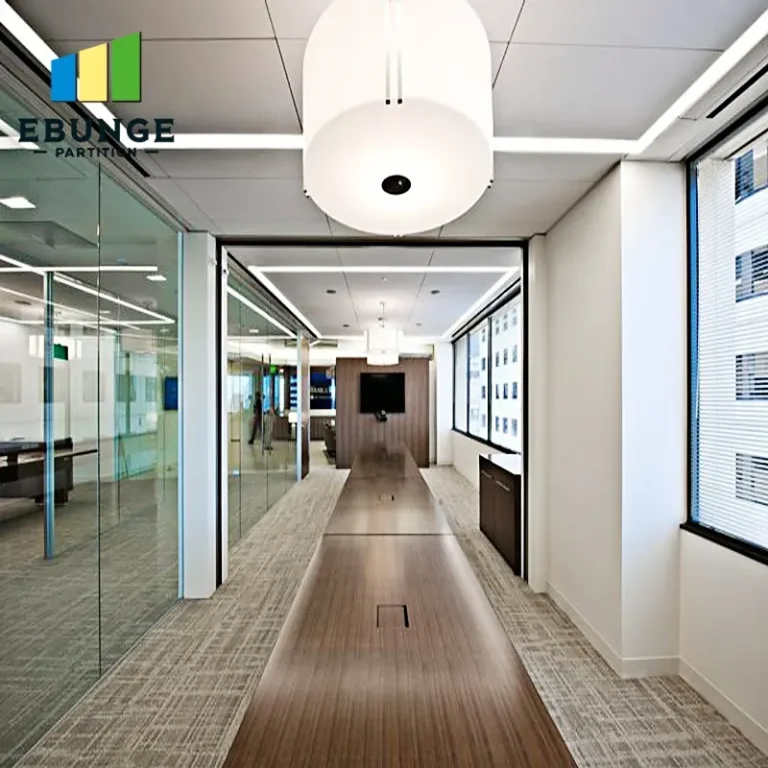
Need help turning the sliding partition wall finish options requirements into a practical project layout?
Top-Hung Track System: The Foundation for Finish Flexibility
The choice of a top-hung track system, without a floor rail, is crucial for seamless space division and finish flexibility. This system allows for uninterrupted flooring, which is essential for exhibition halls that require flexible layouts and easy cleaning. With a top-hung track, the movable partition wall is suspended from above, eliminating the need for floor guides that can be tripping hazards or collect debris. This design also enables the use of various finish materials, as the wall panels are not constrained by floor mechanisms.
For interior designers, this means you can specify heavier finishes, such as stone or glass, without worrying about floor track alignment. It also simplifies installation and adjustment, as panels can be easily aligned and leveled. When discussing your project with manufacturers, emphasize the need for a top-hung system to ensure your finish choices are fully supported.
Acoustic Partition Solutions: Matching Finish to Sound Performance
Acoustic insulation is a primary concern in exhibition halls, where simultaneous events may occur. The finish can influence the acoustic performance of a movable partition wall, but it is not the sole factor. The core material, panel thickness, and sealing mechanisms play significant roles. However, certain finishes can enhance sound absorption or reflection. For instance, fabric-wrapped panels with acoustic backing can improve sound absorption, while rigid finishes like laminate may reflect sound, depending on the underlying core.
When selecting finishes for acoustic purposes, consider the desired sound transmission class (STC) rating, but verify exact values from project specifications or manufacturer data. Do not rely solely on finish choice; instead, work with the partition manufacturer to achieve the required acoustic performance through a combination of core materials, seals, and finishes. As a designer, you should communicate your acoustic targets clearly to ensure the chosen finish does not compromise sound insulation.
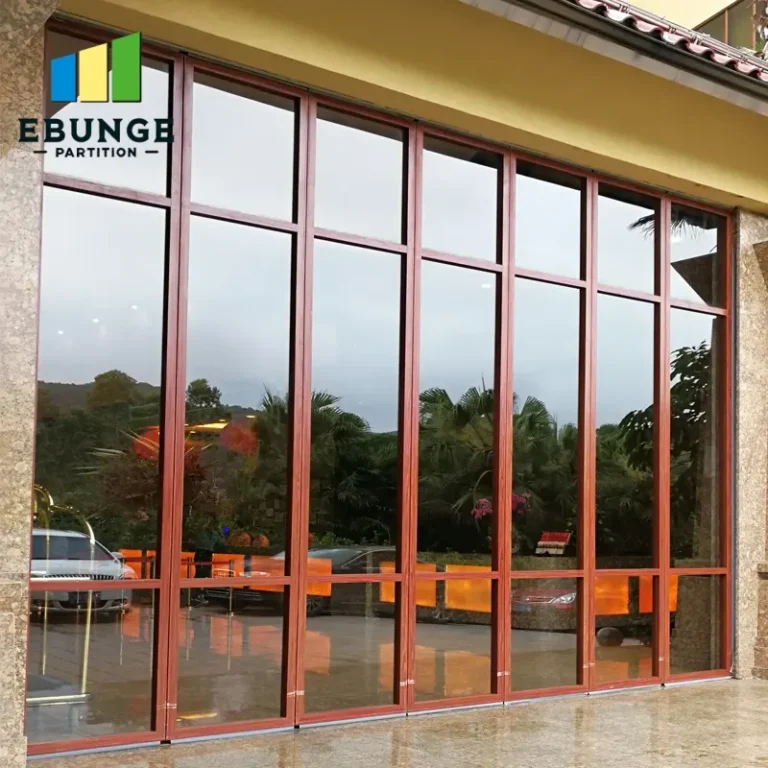
Durability and Maintenance: Selecting Finishes for High-Traffic Areas
Exhibition halls are high-traffic environments, so the finish must withstand frequent use. Laminate finishes are popular for their scratch and impact resistance, making them ideal for areas where equipment is moved. High-pressure laminate (HPL) is particularly durable and available in a wide range of colors and patterns. Alternatively, veneer finishes offer a natural wood look but may require more maintenance and are susceptible to scratches unless properly sealed.
Painted finishes are customizable but may chip over time. For a balance of aesthetics and durability, consider a combination: use durable laminates on lower sections and lighter materials above. Maintenance is another critical factor—choose finishes that are easy to clean and repair. Inquire about replacement options for individual panels, as this can reduce long-term costs.
Aesthetics and Branding: Custom Movable Wall Finishes
The finish of your sliding partition wall is a powerful branding tool. It can reinforce your exhibition hall’s identity and create memorable experiences. Custom movable wall finishes allow you to incorporate logos, graphics, or unique textures. Digital printing on laminate or fabric is an option for high-impact visuals. However, custom designs may increase lead times and costs, so plan accordingly.
Consider the overall design theme—minimalist, industrial, or luxurious—and select finishes that complement it. For example, a matte finish can reduce glare in brightly lit spaces, while a glossy finish adds vibrancy. Also, think about the tactile experience; some finishes invite touch, while others are more utilitarian. Your choice should align with the hall’s intended atmosphere and the expectations of event organizers.
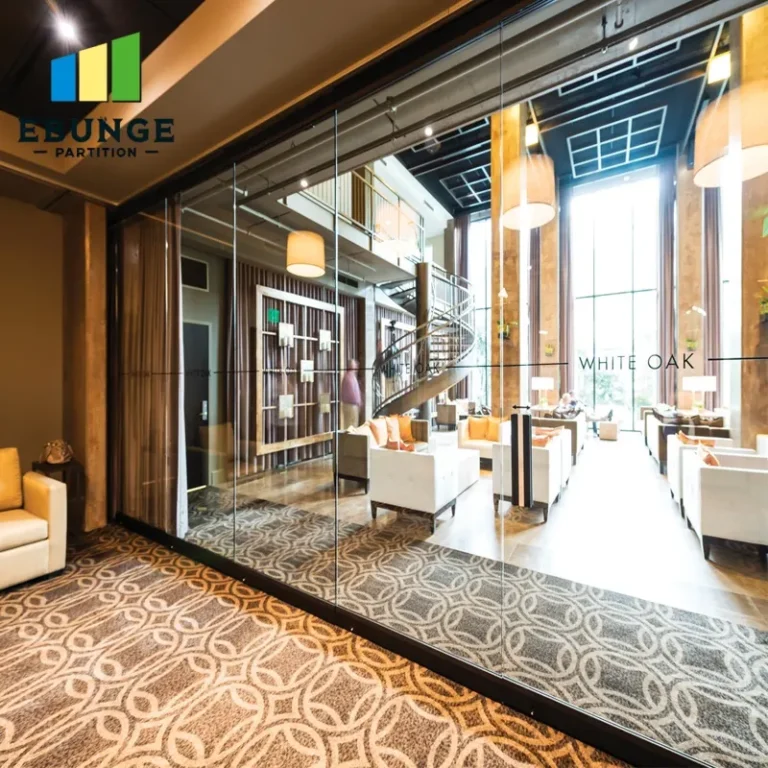
Fire Safety and Compliance: Non-Negotiable Considerations
Fire safety is a critical aspect of any public building. The finish material must comply with local fire codes, often requiring certain fire-resistance ratings. Common finishes like laminate and veneer can be manufactured to meet these standards, but always verify with the supplier. In exhibition halls, where large crowds gather, fire safety is paramount. Ensure that the finish, as well as the entire movable partition wall, meets the required fire performance criteria.
Discuss fire safety requirements with your manufacturer early in the design process. They can provide documentation and certifications, but note that exact ratings must be confirmed from official test reports. Do not assume that all finishes are fire-safe; always request evidence of compliance.
Share the opening, drawings, finish direction, and privacy target for a project-specific review.
Ease of Operation and Installation Time
The finish can affect the ease of operation of a movable partition wall. Heavier finishes may require more robust hardware, potentially increasing the effort needed to move panels. However, with a top-hung system, panels are designed to glide smoothly, and the finish’s weight is a minor factor if the system is properly engineered. Still, consider the operational frequency—if walls are moved daily, lighter finishes may be preferable to reduce wear on moving parts.
Installation time is another factor influenced by finish choice. Pre-finished panels can be installed faster than on-site finishes, reducing disruption. Custom finishes may require additional preparation, so factor this into your project timeline. For a smooth process, coordinate with the manufacturer to ensure that finishes are applied in a controlled environment, ensuring quality and consistency.
Cost Considerations and Quotation Readiness
Cost is always a concern, but it should be evaluated in the context of lifecycle value. A cheaper finish may require more maintenance or replacement sooner, increasing long-term expenses. When requesting quotations, provide detailed specifications, including finish type, dimensions, and acoustic requirements. This enables manufacturers to give accurate estimates.
To be quotation-ready, prepare a clear project brief that includes:
- Opening sizes and layout drawings
- Acoustic target (e.g., STC rating)
- Finish preference (with samples if possible)
- Project location and site conditions
- Expected installation timeline
Having this information ready will streamline the quotation process and help you compare options effectively.
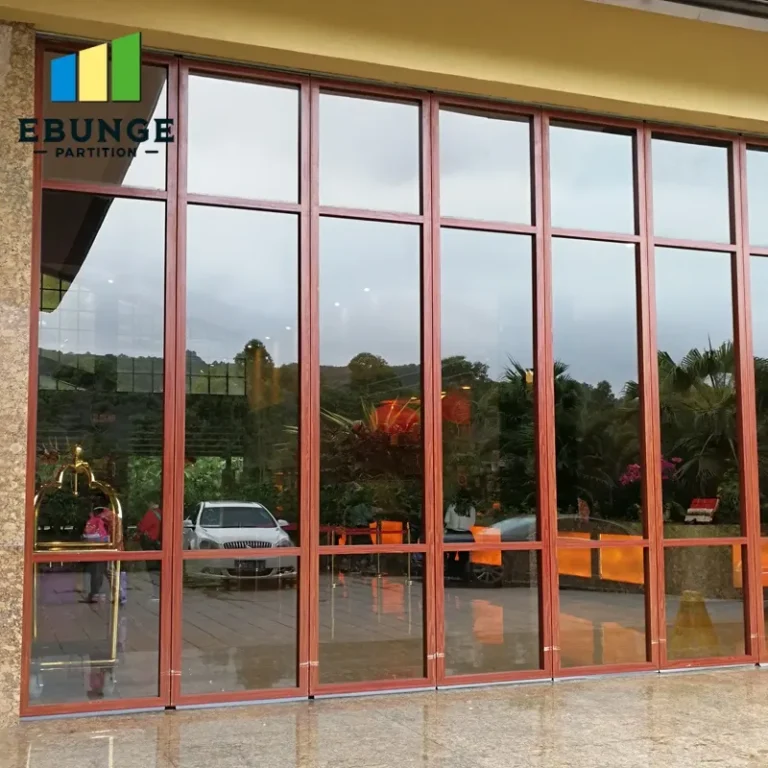
Checklist for Selecting Sliding Partition Wall Finish Options
Use this checklist to guide your decision-making:
- Define the primary function: acoustic separation, visual division, or both?
- Assess traffic levels and potential impact risks.
- Determine acoustic requirements and verify with manufacturer data.
- Choose finishes that meet fire safety codes.
- Consider maintenance and repair ease.
- Align finish with brand and aesthetic goals.
- Evaluate operational ease, especially if walls are moved frequently.
- Factor in installation time and cost.
- Request samples and test finishes in situ if possible.
- Prepare detailed specifications for quotations.
Comparison Table: Common Finish Options
| Finish Type | Durability | Acoustic Impact | Maintenance | Aesthetic Flexibility |
|---|---|---|---|---|
| Laminate | High | Moderate (depends on core) | Easy to clean, scratch-resistant | Wide range of colors/patterns |
| Veneer | Medium | Moderate | Requires sealing, may scratch | Natural wood look |
| Painted | Medium | Low to moderate | May chip, easy to repaint | Custom colors |
| Fabric-wrapped | Low to medium | High (with acoustic backing) | Requires vacuuming, may stain | Custom prints, soft texture |
Conclusion: Making the Right Finish Choice
Selecting the right sliding partition wall finish options for exhibition halls is a multifaceted decision that impacts acoustics, durability, aesthetics, and cost. As an interior designer, your role is to balance these factors while ensuring the space meets functional and regulatory requirements. By focusing on top-hung track systems, understanding acoustic needs, and prioritizing durable, low-maintenance finishes, you can create flexible, attractive exhibition spaces that stand the test of time.
For more insights on movable partition walls, explore our movable partition wall solutions or browse our blog for design inspiration. If you’re ready to discuss your project, contact our team to get started.
Frequently Asked Questions
What is the most durable finish for a movable partition wall?
High-pressure laminate (HPL) is highly durable, resistant to scratches and impacts, making it ideal for high-traffic areas like exhibition halls.
Can the finish affect the acoustic performance of a partition wall?
Yes, the finish can influence sound absorption or reflection, but the core material and sealing are more critical. Fabric-wrapped panels with acoustic backing can enhance absorption.
Are there fire-resistant finish options?
Many finishes, such as laminate and veneer, can be manufactured to meet fire safety standards. Always verify compliance with local codes and request test reports.
How does a top-hung track system benefit finish selection?
A top-hung track eliminates floor rails, allowing for uninterrupted flooring and more flexibility in finish materials, including heavier options like stone or glass.
What information should I provide for a quotation?
Provide opening sizes, drawings, acoustic targets, finish preferences, and project location. This helps manufacturers give accurate estimates.
For this buyer review, sliding partition wall finish options should be checked against the confirmed opening, drawings, operating plan, and project specification.
Send the opening size and drawings to discuss a differentiated sliding partition wall finish options solution.