
For architects planning a conference room, the sliding partition wall cost is often the first question, but rarely the only one. Budgets fail when quotes are compared without understanding what drives the price: track system, panel construction, acoustic performance, finishes, and installation complexity. This guide translates the cost factors into a clear framework for quotation readiness, helping you move from vague estimates to an accurate project budget. We answer the key questions buyers ask, clarify what to prepare before contacting suppliers, and show how to evaluate quotes beyond the initial price.
Direct answer: The sliding partition wall cost for a conference room typically ranges from $30 to $200 per square foot, depending on acoustic ratings, panel height, finishes, and track configuration. However, a precise estimate requires your opening size, ceiling structure, acoustic target, and finish preferences. Top-hung track systems without floor rails usually add 10-15% to the base cost compared to floor-guided alternatives, but they offer design flexibility and easier maintenance. To get an accurate quote, share your drawings and specifications with a supplier who can provide a detailed breakdown.
Sliding Partition Wall Cost: Why Conference Room Partition Costs Vary So Much
Unlike standard drywall, a movable wall is an engineered product. The sliding partition wall cost varies with the acoustic performance you need. A basic visual divider may cost less, but a wall that blocks speech for confidential meetings requires higher-density panels, perimeter seals, and top-hung track systems with precision hardware. The height and span of the opening also matter; taller walls need more structural support and heavier panels, increasing material and installation costs. Additionally, custom finishes such as wood veneer, fabric, or glass add significantly to the price. Understanding these variables helps you compare quotes on an apples-to-apples basis.
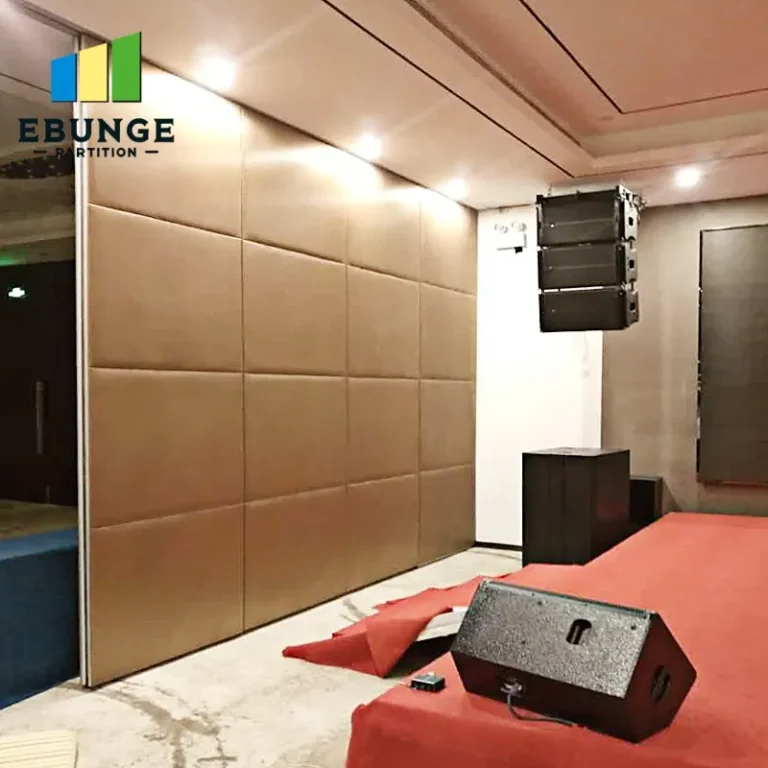
Need help turning the sliding partition wall cost requirements into a practical project layout?
Key Cost Drivers: Track, Panels, and Hardware
Three main components determine the cost of a movable partition wall: the track system, the panels, and the hardware. The track is usually top-hung, which means the weight is carried from the ceiling, eliminating the need for a floor rail. This is a premium feature that improves aesthetics and accessibility but adds to the cost. Panels are constructed with steel or aluminum frames filled with acoustic cores; the core density and thickness directly affect price and sound insulation. Hardware includes hinges, seals, and operating mechanisms; high-quality hardware ensures smooth operation and durability but comes at a premium. When reviewing quotes, ask for a breakdown of these components to see where your money is going.
Acoustic Performance and Its Impact on Price
For a conference room, acoustic privacy is often the primary function. The sliding partition wall cost rises steeply with higher Sound Transmission Class (STC) ratings. An STC 40 wall may suffice for general meetings, but if you need to prevent confidential conversations from being overheard, you might require STC 50 or higher. Achieving these ratings involves thicker panels, double seals, and careful installation. Be wary of vague claims like “good soundproofing” without verified test data. Ask the supplier for acoustic test reports and ensure the installation team is certified to achieve the rated performance. Remember, a wall is only as good as its installation; gaps and poor seals can reduce effectiveness dramatically.
Customization Costs: Finishes, Sizes, and Shapes
Customization is a major cost driver. Standard panel widths and heights are more economical, but conference rooms often require specific dimensions to fit the architectural layout. Non-standard sizes increase material waste and engineering time. Finishes also matter: basic laminate is cheapest, while wood veneer, acoustic fabric, or glass panels add cost. If you need curved walls or angled configurations, expect a significant premium. To manage costs, define your requirements early and discuss alternatives with the supplier. Sometimes a standard size can be adapted with minimal cost impact.
Installation Costs and Complexity
Installation can account for 20-30% of the total project cost. The complexity depends on the ceiling structure, the weight of the panels, and the need for adjustments. A top-hung track requires a structural steel support in the ceiling; if your ceiling is not designed for it, additional reinforcement is needed, increasing cost. Installation also involves labor, equipment (like lifts), and potential disruption to your facility. When comparing quotes, ensure installation is included or clearly itemized. A lower installation bid might omit necessary work, leading to change orders later.
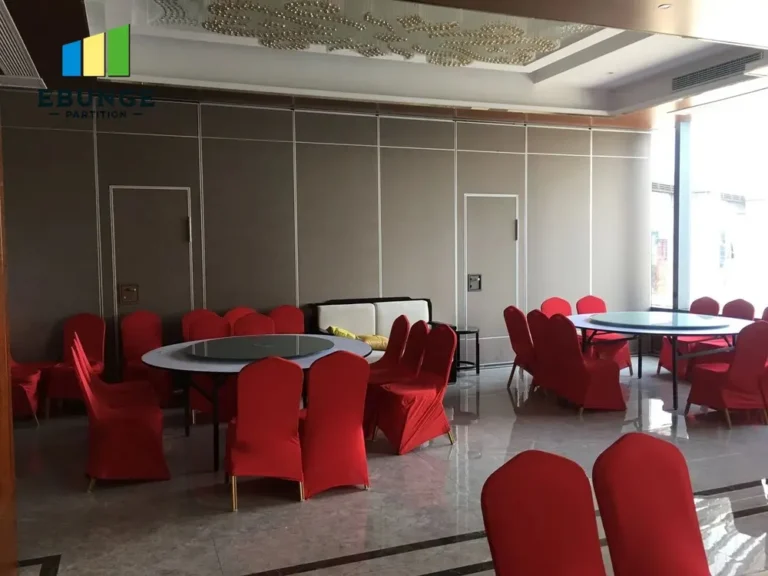
Total Cost of Ownership: Maintenance, Warranty, and Support
Beyond the initial investment, consider the long-term costs. A well-made movable wall should last 20 years or more with proper maintenance. Ask about the warranty on panels, track, and hardware, and what it covers. Maintenance includes periodic cleaning of track, lubrication, and adjustment of seals. Some suppliers offer service contracts, which can be a wise investment for high-use conference rooms. Compare the total cost of ownership across suppliers, not just the upfront price. A slightly higher initial cost may be justified by lower maintenance and longer lifespan.
Comparing with Drywall and Glass Walls: ROI Perspective
When evaluating the sliding partition wall cost, it’s useful to compare with alternatives like drywall or glass walls. Drywall is cheaper initially but offers no flexibility; if your conference room needs to be reconfigured, you’ll incur demolition and rebuilding costs. Glass walls provide transparency and light but may lack acoustic privacy and are often more expensive per square foot. A movable partition wall offers flexibility, allowing you to adapt the space for different meetings and events. This can increase the utilization rate of your conference room, providing a better return on investment over time. Calculate the payback period based on how often you’d use the flexibility.
Quotation Readiness: What to Prepare Before Contacting Suppliers
To get accurate quotes and speed up the process, prepare the following information before reaching out to suppliers:
- Opening size (width, height, and depth)
- Architectural drawings (floor plans, sections, and ceiling details)
- Acoustic target (STC rating or specific privacy requirement)
- Finish preference (laminate, wood veneer, fabric, glass)
- Operation type (manual or motorized)
- Number of panels and stacking space
- Project location and timeline
With this information, a supplier can provide a detailed breakdown, including track, panels, hardware, installation, and delivery. This reduces back-and-forth and ensures comparable quotes.
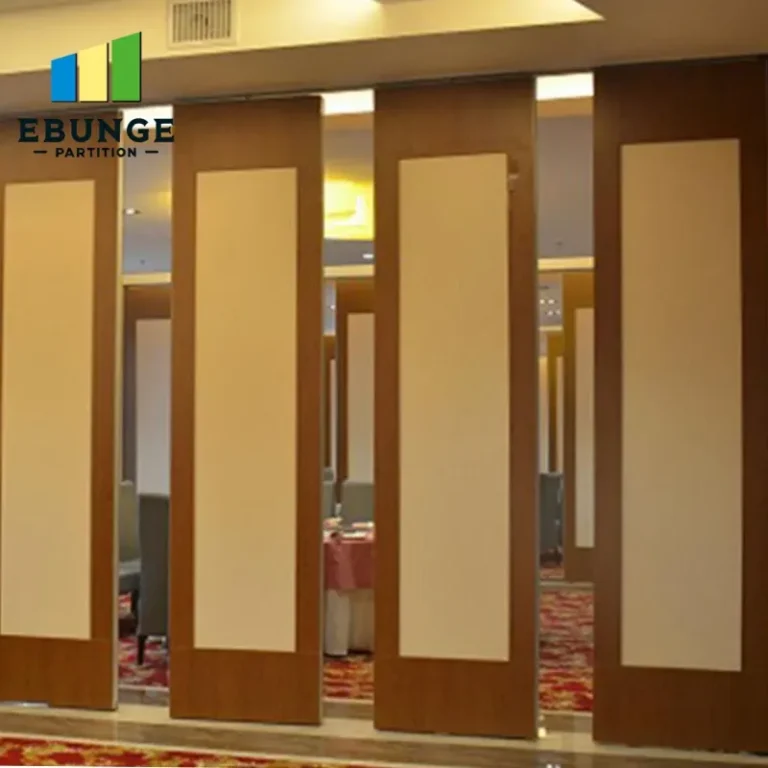
Share the opening, drawings, finish direction, and privacy target for a project-specific review.
How to Evaluate Quotes and Avoid Hidden Costs
When you receive quotes, scrutinize them for hidden costs. Look for line items like engineering fees, delivery charges, taxes, and installation extras. Ask about the scope of supply: does the quote include all necessary hardware, seals, and fasteners? Does it include installation or is that separate? Also, check the payment terms and delivery schedule. A low quote might exclude essential components or use lower-quality materials. Compare the specifications, not just the price. For a fair comparison, create a checklist of required features and rate each quote accordingly.
Practical Checklist for Budgeting a Conference Room Partition
| Item | Consideration | Impact on Cost |
|---|---|---|
| Track system | Top-hung vs. floor-guided | Top-hung adds 10-15% |
| Acoustic rating | STC 40 vs. STC 50+ | Higher STC adds 20-40% |
| Panel height | Standard vs. custom | Custom adds 10-20% |
| Finish | Laminate vs. wood veneer | Premium finishes add 15-30% |
| Operation | Manual vs. motorized | Motorized adds 20-30% |
| Installation | Complexity and labor | 20-30% of total |
Shipping and Delivery: Factors That Affect Your Budget
Delivery costs can vary based on project location, distance from the factory, and the size of the order. Movable walls are heavy and bulky, so freight costs can be significant. Some suppliers include delivery in the quote, while others charge separately. Clarify the incoterms and whether the price includes unloading and on-site handling. For international projects, customs and import duties may apply. Always ask for a delivery quote and factor in lead times, as expedited shipping can increase costs.
Warranty and After-Sales Support: Long-Term Value
A robust warranty is a sign of quality. Typical warranties cover 5-10 years on mechanical components and 1-3 years on finishes. Understand what is covered: parts, labor, or both? Who do you call for service? Is there a local distributor or must you rely on the factory? After-sales support is crucial for a product that sees daily use. A supplier with a local service team may charge more upfront but save you money in the long run. Ask for references and case studies to gauge their support quality.
Return on Investment for Flexible Spaces
Investing in a movable partition wall can increase the value of your property by making the space more versatile. If you host events, training sessions, or large meetings, the ability to divide the room can generate additional revenue or improve productivity. Calculate the ROI by estimating the extra utilization hours per year and the value of those hours. For many organizations, the payback period is less than two years. This long-term perspective is essential when evaluating the sliding partition wall cost against the benefits.
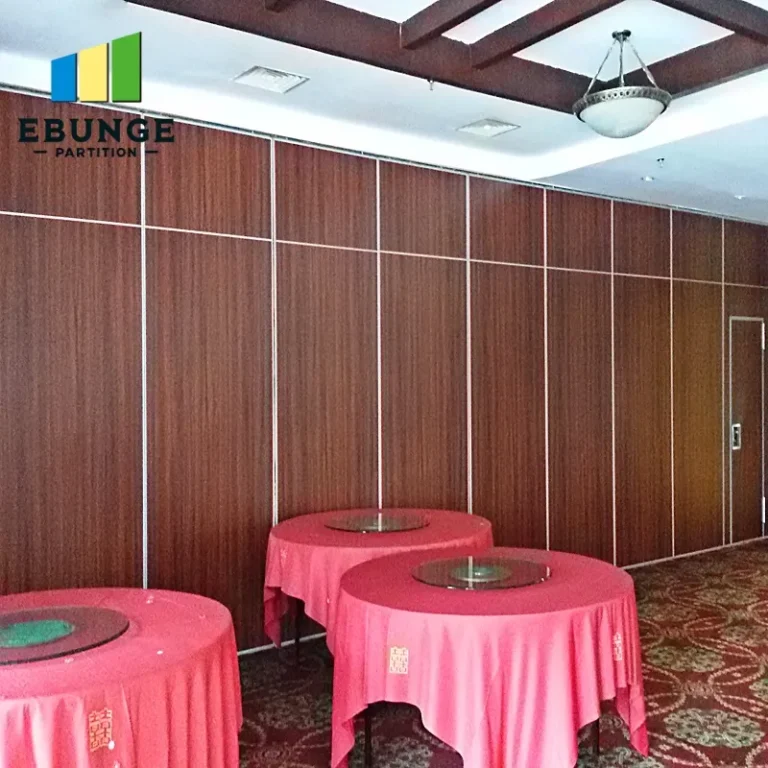
Conclusion
The sliding partition wall cost is not a single number but a function of your specific needs. By understanding the cost drivers, preparing thorough specifications, and evaluating quotes critically, you can make an informed decision that balances budget and performance. Remember to consider the total cost of ownership, including maintenance and support. A well-chosen movable wall can enhance your conference room’s functionality and provide long-term value. For more insights, explore our resources on movable partition walls and industry blogs. If you have a project in mind, contact our team for a detailed consultation, and check our cost guides for further reading.
Frequently Asked Questions
1. How much does a sliding partition wall cost per square foot?
Typical costs range from $30 to $200 per square foot, but this varies with acoustic rating, finishes, and track type. For a precise estimate, provide your project details to a supplier.
2. What is the difference in cost between top-hung and floor-guided systems?
Top-hung systems are generally 10-15% more expensive due to the structural support required, but they offer a clean floor and easier maintenance.
3. Can I install a movable partition wall myself to save cost?
DIY installation is not recommended due to the precision required for acoustic performance and safety. Professional installation ensures the wall functions correctly and meets warranty requirements.
4. How long does a movable partition wall last?
With proper maintenance, a quality wall can last 20 years or more. Ask suppliers about the expected lifespan and maintenance requirements.
5. Are there any hidden costs I should be aware of?
Common hidden costs include engineering fees, delivery charges, installation extras, and taxes. Always request a detailed breakdown and clarify what is included.
Send the opening size and drawings to discuss a differentiated sliding partition wall cost solution.