
When you are specifying a movable partition for a school hall, the decision often comes down to more than just the product brochure. As an interior designer, you need a sliding partition supplier evaluation that goes beyond surface-level comparisons. The real challenge is assessing which manufacturer can deliver a reliable, code-compliant, and aesthetically pleasing operable wall system that meets your acoustic targets and installation timeline. This article is designed to help you ask the right questions, prepare the necessary documentation, and evaluate suppliers with confidence, ensuring your school hall partition wall project moves forward smoothly.
Direct Answer: For a school hall, a reliable sliding partition supplier evaluation should focus on three pillars: technical capability (acoustic insulation, track system, and compliance), customization support (finishes, drawings, and project coordination), and logistical reliability (overseas delivery and after-sales support). Prepare your opening size, drawings, acoustic target, finish preference, and project location before contacting suppliers. This ensures a more accurate quotation and a smoother evaluation process.
Sliding Partition Supplier Evaluation: Why School Halls Demand a Different Supplier Evaluation
School halls are high-traffic, multi-functional spaces. They host assemblies, exams, sports, and performances, each requiring different acoustic and spatial configurations. Unlike office partitions, a school hall partition wall must be robust, easy to operate, and safe for children. The acoustic partition solutions you choose must meet specific sound insulation requirements, often mandated by building codes. Therefore, your supplier evaluation must prioritize technical compliance and durability, not just aesthetics.
Moreover, the buyer is often a designer like you, but the end-user is the school administration and maintenance staff. This means you must evaluate how the supplier addresses ease of operation, maintenance requirements, and warranty support. A supplier that offers comprehensive documentation and clear installation guidance will save you time and reduce on-site issues.
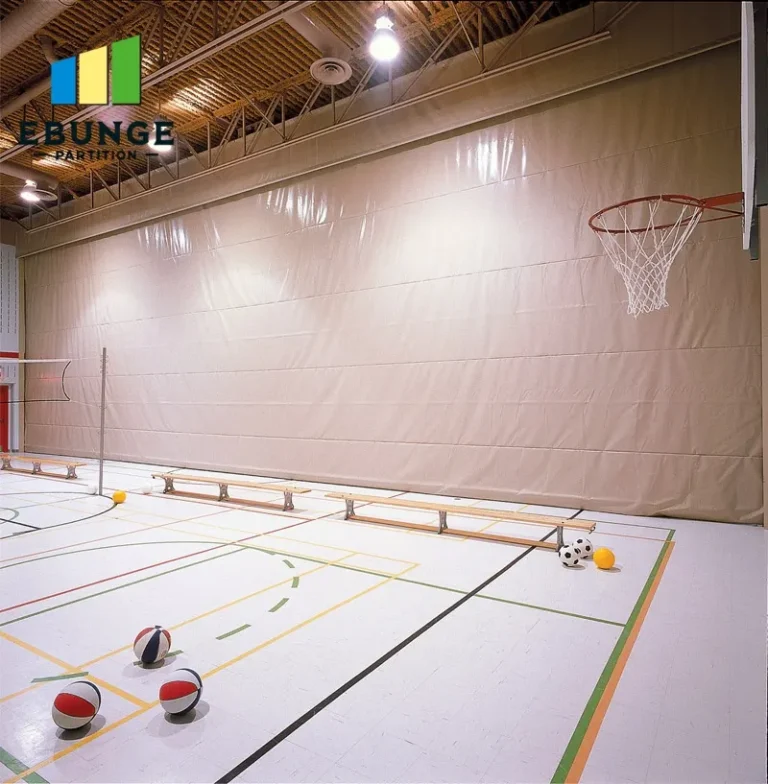
Need help turning the sliding partition supplier evaluation requirements into a practical project layout?
Pre-Evaluation: What to Prepare Before Contacting Suppliers
To get the most out of your sliding partition supplier evaluation, you must be ready with specific project details. This preparation not only speeds up the quotation process but also filters out suppliers who are not capable of handling your project. Here is what you need:
- Opening size: Width, height, and the number of partitions required.
- Drawings: Architectural or interior drawings showing the hall layout, ceiling height, and structural details.
- Acoustic target: The required sound reduction (e.g., Rw rating) based on the intended use.
- Finish preference: Material, color, and any special finishes (e.g., tackable surfaces, whiteboard).
- Project location: This affects delivery logistics, installation timelines, and compliance with local building codes.
When you have these details, you can ask suppliers for a preliminary quotation and technical proposal. This ensures that the supplier’s response is tailored to your project, not generic.
Key Criteria for Evaluating Sliding Partition Suppliers
Your evaluation should be systematic. The following criteria cover the essential aspects that affect your project’s success:
1. Technical Capability and Compliance
Assess the supplier’s ability to meet your acoustic and safety requirements. Look for evidence of testing to relevant standards (e.g., ASTM E90 for sound transmission loss). Ask for documentation that shows the movable partition wall’s acoustic insulation ratings. Also, verify that the operable wall system complies with local building codes, including fire safety and accessibility.
2. Customization and Design Support
School halls often require custom dimensions, finishes, and configurations. A supplier that offers custom movable wall solutions is essential. They should be able to work with your drawings and provide detailed elevation and section drawings. This support is crucial for ensuring that the partition fits perfectly and meets your aesthetic vision.
3. Track System and Operation
The top-hung track system is a key feature of many movable partitions, as it eliminates the need for a floor rail, making the floor flush and safe. Evaluate the quality of the track, hangers, and seals. Ask about the ease of operation, especially for school staff who may not be trained regularly. A smooth, reliable operation is essential for daily use.
4. Installation Timeline and Support
Understand the supplier’s installation process. Will they provide a dedicated installation team? What is the typical timeline for your project size? For overseas delivery, ask about shipping times, customs clearance, and any potential delays. A supplier with a proven track record in your region is preferable.
5. Durability and Warranty
School halls see heavy use, so durability is non-negotiable. Inquire about the materials used, especially in high-traffic areas. Ask for warranty terms, but do not rely solely on them. Look for suppliers who have been in business for years and have references from similar educational projects.
6. Cost Transparency
Request a detailed breakdown of costs: product price, delivery, installation, taxes, and any additional fees. This transparency helps you compare quotes accurately and avoid hidden costs. Be wary of quotes that are significantly lower than others, as they may indicate compromises in quality.
7. After-Sales Support
What happens if a panel gets damaged or a seal wears out? Ensure the supplier offers replacement parts and responsive after-sales service. This is especially important for overseas projects, where local representation may be limited.
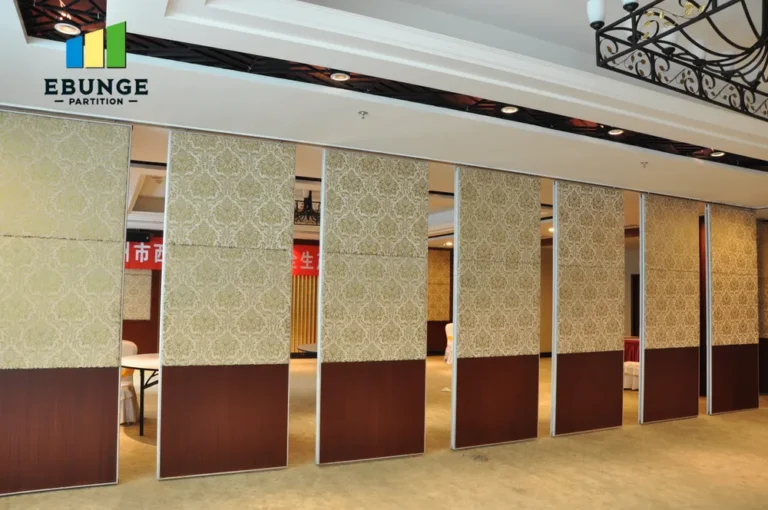
How to Structure Your Inquiry for Maximum Response
When you contact suppliers, your inquiry should be clear and detailed. This not only helps suppliers give you accurate quotes but also demonstrates that you are a serious buyer. Here is a template you can adapt:
- Project type: School hall, new construction or renovation.
- Opening dimensions: Width x height, number of partitions.
- Acoustic requirement: Target Rw value and any specific frequencies.
- Operation: Manual or motorized, frequency of use.
- Finish: Preferred materials, colors, and any special surfaces.
- Location: Country, city, and site conditions.
- Timeline: Expected installation date and project schedule.
By providing this information, you filter out suppliers who cannot meet your requirements, saving time for both parties.
Common Pitfalls in Supplier Evaluation
Even experienced designers can fall into traps. Here are some pitfalls to avoid:
- Focusing only on price: The cheapest option may not meet acoustic or durability standards.
- Ignoring installation: The partition is only as good as its installation. Poor installation can ruin acoustic performance.
- Overlooking maintenance: School staff will need to operate and maintain the partition. Choose a system that is user-friendly.
- Not checking references: Ask for case studies or references from similar school projects.
Share the opening, drawings, finish direction, and privacy target for a project-specific review.
Practical Checklist for Your Evaluation
Use this checklist to compare suppliers objectively:
| Criteria | Supplier A | Supplier B | Supplier C |
|---|---|---|---|
| Acoustic rating (Rw) | __ | __ | __ |
| Track system type | __ | __ | __ |
| Customization options | __ | __ | __ |
| Installation timeline | __ | __ | __ |
| Warranty length | __ | __ | __ |
| After-sales support | __ | __ | __ |
| Cost transparency | __ | __ | __ |
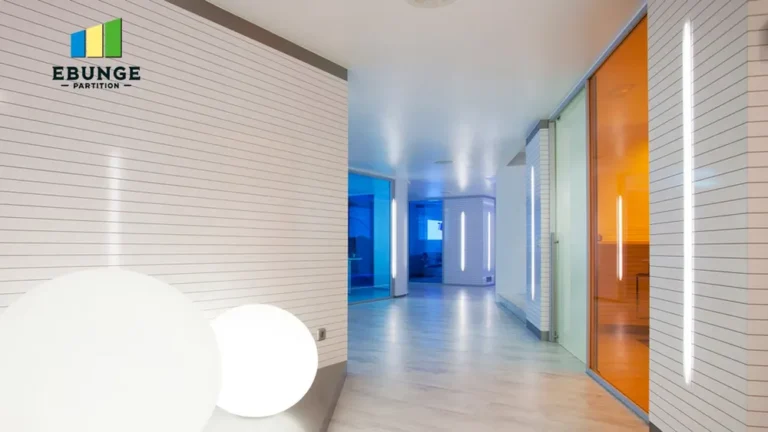
Evaluating Overseas Suppliers: Special Considerations
If you are considering suppliers from overseas, additional factors come into play. Ensure they have experience with international projects and can provide clear communication. Ask about their export experience, packaging for long-distance shipping, and any import duties or taxes that may apply. A supplier who can handle the logistics smoothly is invaluable.
Making the Final Decision
After you have gathered all the information, compare the suppliers against your checklist. Consider not only the technical aspects but also the level of trust and communication. A supplier who is responsive and transparent is more likely to be a reliable partner. Remember, the goal is to find a partner who can deliver a quality movable partition wall that meets your school’s needs now and in the future.
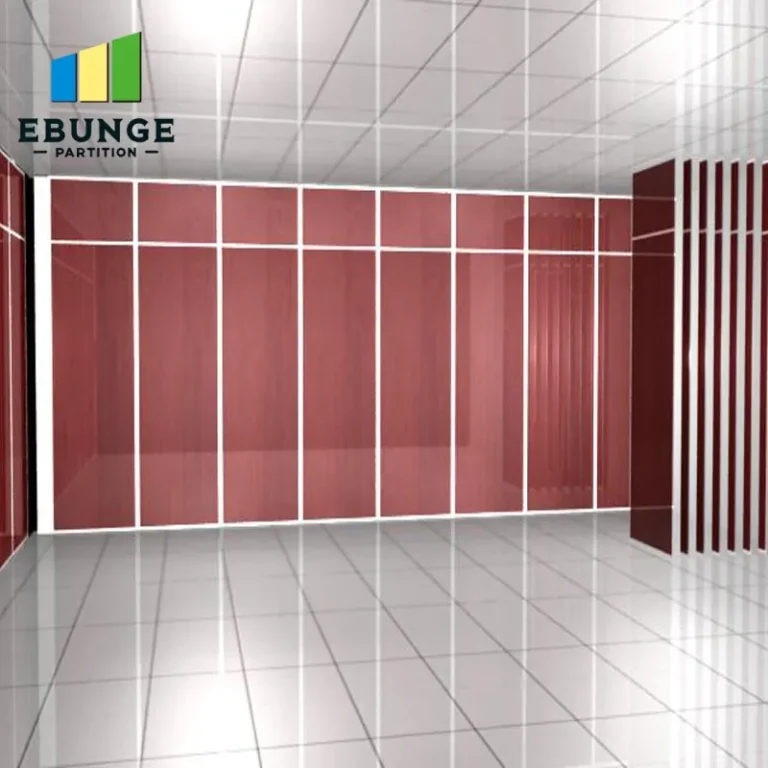
Conclusion: Streamlining Your Supplier Evaluation
In conclusion, a thorough sliding partition supplier evaluation for a school hall requires preparation, clear criteria, and attention to detail. By focusing on technical compliance, customization support, and logistical reliability, you can identify a supplier that will deliver a successful project. Always verify claims with documentation and seek references. For more insights on movable partition walls and supplier selection, explore our resources on movable partition walls and industry blogs. If you have a project in mind, contact us to discuss your requirements.
Frequently Asked Questions
What is the typical acoustic insulation rating for a school hall partition?
The required acoustic rating (Rw) depends on the school’s specific needs and local building codes. Typically, for a school hall, an Rw of 45-50 dB is common to reduce noise transmission between spaces. However, you must confirm the exact target with your acoustic consultant.
How long does installation usually take?
Installation time varies based on the size and complexity of the project. A simple single partition might take a few days, while a large hall with multiple partitions could take a week or more. The supplier should provide a detailed timeline based on your project drawings.
Can I get a custom partition to match my school’s branding?
Yes, most reputable suppliers offer customization options for finishes, colors, and even tackable or whiteboard surfaces. Discuss your branding requirements with the supplier to see what is possible.
What maintenance is required for a movable partition?
Regular maintenance includes cleaning the track and seals, checking for wear and tear, and ensuring the panels operate smoothly. The supplier should provide a maintenance manual and recommend a schedule.
How do I ensure the partition complies with building codes?
Ask the supplier for documentation that shows compliance with relevant standards, such as fire safety and accessibility. Also, consult with your local building authority to confirm requirements.
For this buyer review, sliding partition supplier evaluation should be checked against the confirmed opening, drawings, operating plan, and project specification.
Send the opening size and drawings to discuss a differentiated sliding partition supplier evaluation solution.