
When you distribute movable partition walls for conference rooms, your reputation depends on the reliability of your supplier. A failed acoustic seal, a delayed shipment, or a supplier who disappears after delivery can damage client relationships and your bottom line. This guide walks you through a sliding partition supplier evaluation process tailored to the conference room segment, helping you ask the right questions, prepare accurate quotations, and convert inquiries into long-term partnerships. You’ll learn what to check in technical capabilities, customization support, overseas logistics, and after-sales service, ensuring you choose a partner who meets your standards.
Quick answer: To evaluate sliding partition suppliers for conference rooms, focus on their ability to meet acoustic and building code requirements, provide customization support, handle overseas delivery reliably, and offer responsive after-sales service. Ask for detailed technical documentation, reference projects, and clear communication channels before signing a contract.
Why a Structured Sliding Partition Supplier Evaluation Matters
Conference rooms are high-traffic spaces where acoustic performance and ease of operation are critical. As a distributor, you need a supplier who can deliver a movable partition wall that meets specific project requirements without constant supervision. A structured evaluation process helps you compare suppliers objectively, reduce risks, and ensure that your quotations are based on accurate information. Without it, you might end up with a supplier who cannot deliver on time or provide the necessary support, leading to costly delays and unsatisfied clients.
Need help turning the sliding partition supplier evaluation requirements into a practical project layout?
Step 1: Define Your Project Requirements Before Contacting Suppliers
Before you reach out to any supplier, you must have a clear picture of your project needs. This includes the opening size, ceiling height, acoustic target (e.g., STC rating), finish preferences, and the number of panels required. Also, note the building’s structural constraints, such as load-bearing capacity and available space for a top-hung track system. Having this information ready will make your inquiries more professional and help suppliers give you accurate quotations. If you are unsure about technical details, consult with an architect or acoustic consultant.
Step 2: Assess Technical Capability and Compliance
Not all sliding partition suppliers are equal. You need to verify that the supplier’s products meet the required acoustic insulation performance and comply with local building codes. Ask for test reports from recognized laboratories, and check if the movable partition wall has been used in similar conference room projects. Also, confirm that the supplier can provide a top-hung track system without a floor rail, which is often preferred for a clean, accessible finish. Request drawings and installation guidelines to ensure their system is compatible with your project’s structure.
Step 3: Evaluate Customization Support and Flexibility
Conference rooms often require custom dimensions, finishes, or configurations. A good supplier should offer customization options, such as different panel widths, heights, and surface materials. During your evaluation, ask how they handle custom requests, including turnaround times and any additional costs. Check if they have in-house engineering or design support to assist with modifications. For example, a supplier who can adapt their operable wall system to fit an irregular opening or integrate with existing décor is more valuable than one with a one-size-fits-all approach.
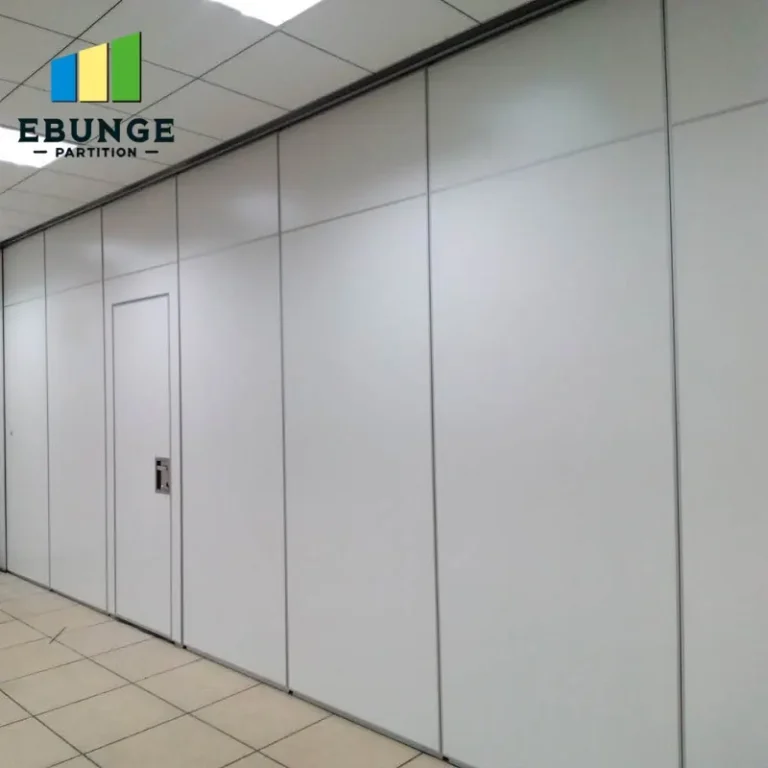
Step 4: Verify Manufacturing Quality and Quality Control
Quality control is crucial to ensure that every panel meets your standards. Inquire about the supplier’s manufacturing processes, materials used, and testing procedures. Do they conduct in-house acoustic tests? How do they ensure consistent quality across batches? Ask for details about their quality management system, such as ISO certifications, but verify these independently. A supplier who cannot provide clear quality assurance processes may be risky for your business.
Step 5: Analyze Logistics and Delivery Reliability
For overseas suppliers, delivery reliability can make or break a project. Ask about their shipping methods, packaging, and lead times. Do they have experience exporting to your country? What are their Incoterms? Request a sample shipment or a detailed delivery schedule. Also, consider the supplier’s communication during transit – will they provide tracking and updates? A supplier who is transparent about logistics helps you plan your installation schedule and avoid surprises.
Step 6: Compare Total Cost of Ownership, Not Just Initial Price
When evaluating quotes, look beyond the initial purchase price. Consider installation complexity, maintenance requirements, and the lifespan of the movable partition wall. A cheaper option might require more frequent repairs or have higher operating costs. Ask for a breakdown of costs, including shipping, customs, and any additional accessories. Also, consider the supplier’s warranty terms – what is covered, for how long, and what is the process for claims? A supplier with a comprehensive warranty and responsive after-sales support may justify a higher upfront cost.
Share the opening, drawings, finish direction, and privacy target for a project-specific review.
Step 7: Assess After-Sales Support and Warranty
After-sales support is often overlooked but is vital for long-term satisfaction. Determine the supplier’s response time for technical queries, availability of spare parts, and their policy for warranty claims. Ask for references from other distributors or clients who have used their products. A supplier who offers installation guidance and is willing to troubleshoot issues remotely is a valuable partner. Also, clarify the warranty duration and what it covers, such as mechanical parts, acoustic seals, and finish.
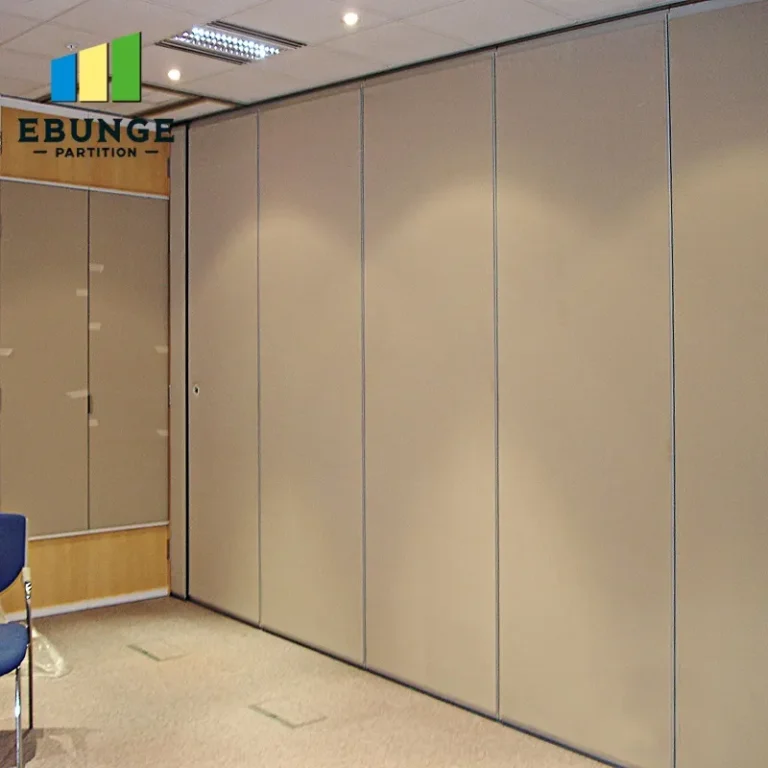
Checklist for Sliding Partition Supplier Evaluation
Use this checklist to compare suppliers systematically:
- Technical documentation: Has test reports, drawings, and installation guides?
- Acoustic performance: Meets your STC target?
- Customization: Can they handle custom sizes, finishes, and configurations?
- Quality control: Have they described their manufacturing and testing processes?
- Delivery: Can they meet your lead time and provide shipping updates?
- Warranty: What does it cover and for how long?
- After-sales: Do they provide responsive support and spare parts?
- References: Can they share case studies or client testimonials?
How to Prepare a Winning Inquiry for Suppliers
To get accurate quotes and demonstrate your professionalism, include the following in your initial inquiry:
- Project location and building type (e.g., existing or new construction)
- Opening dimensions: width, height, and number of panels
- Acoustic target: specify the desired STC rating or sound transmission class
- Finish preference: laminate, veneer, fabric, or other materials
- Operation: manual or motorized, top-hung track system
- Any special requirements: fire rating, seismic considerations, or integration with existing systems
By providing detailed information, you reduce back-and-forth communication and show that you are a serious buyer. This can also help you get more favorable pricing and faster responses.
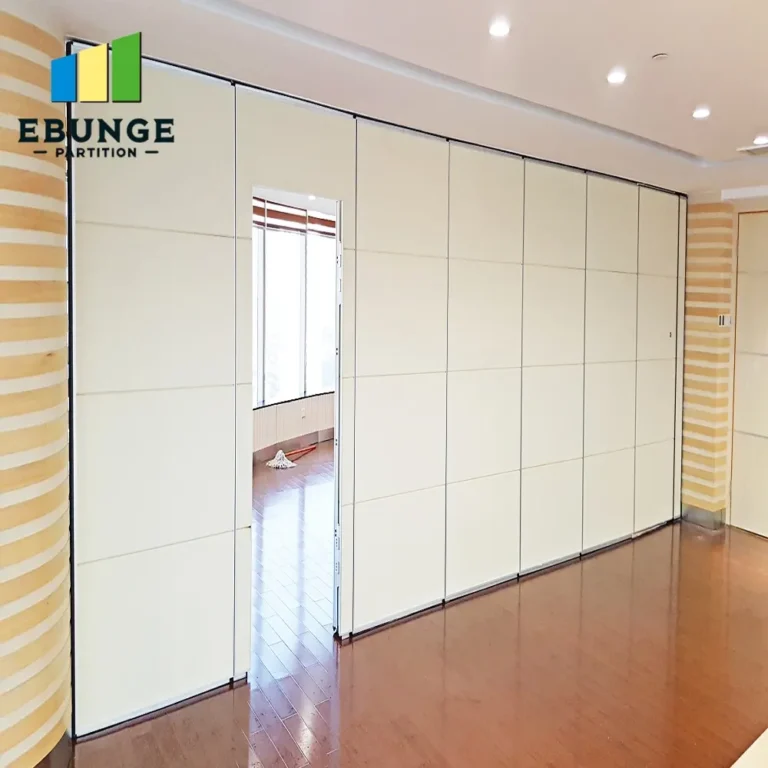
Common Pitfalls to Avoid in Supplier Evaluation
Many distributors make the mistake of focusing solely on price or being impressed by a flashy website. Avoid these pitfalls:
- Ignoring acoustic performance: A low-cost partition that fails to block sound will disappoint your client.
- Overlooking building codes: Ensure the product complies with local fire and safety regulations.
- Underestimating installation complexity: Some systems require specialized labor, increasing costs.
- Not checking references: Always talk to existing customers to verify claims.
- Skipping the fine print: Read the warranty terms and delivery conditions carefully.
Why Top-Hung Track Systems Are Preferred for Conference Rooms
In conference rooms, a top-hung track system (without a floor rail) is often the best choice. It allows for a clean, unobstructed floor, making it easier to move furniture and ensuring safety. It also eliminates a trip hazard and simplifies cleaning. When evaluating suppliers, check if they offer this system and whether they provide the necessary structural support for the ceiling. Ask about the maximum panel weight and the track’s durability. A well-engineered top-hung system can enhance the user experience and reduce maintenance issues.
Conclusion: Make Your Sliding Partition Supplier Evaluation a Standard Practice
In the competitive market for conference room partition walls, a thorough sliding partition supplier evaluation is your safeguard against costly mistakes. By defining your requirements, assessing technical and customization capabilities, and verifying logistics and after-sales support, you can select a partner who aligns with your business goals. Remember, the goal is not to find the cheapest option, but the most reliable and competent supplier who can help you grow your distribution business. Start your evaluation today, and you will build a network of trusted partners for years to come.
For more insights on movable partition walls, explore our blog or learn about our movable partition wall solutions. If you are ready to discuss a project, contact our team for personalized assistance.
Frequently Asked Questions
What acoustic rating should I look for in a conference room partition?
The required acoustic rating depends on the room’s use. For general conference rooms, an STC of 50 is common, but if you need to isolate sensitive conversations, you might need higher ratings. Always confirm the exact target with your client and verify that the supplier’s product meets that specification.
How can I verify a supplier’s compliance with building codes?
Ask for test reports and certifications from recognized bodies, and check if the product has been used in projects in your region. You can also request a declaration of performance or have a local engineer review the documentation.
What customization options are typically available for movable partitions?
Customization can include panel dimensions, surface finishes (e.g., laminate, veneer, dry-erase), acoustic inserts, and integration with existing architecture. Some suppliers offer custom colors or branding, so ask about their capabilities.
How long does overseas delivery usually take?
Lead times vary based on the supplier’s location, manufacturing schedule, and shipping method. Typically, it can range from 4 to 12 weeks, but always confirm the exact timeline for your project and factor in potential delays.
What should I include in my warranty claim?
Document the issue with photos, a description of the problem, and your original purchase details. Contact the supplier’s support team and follow their claim process. A reliable supplier will guide you through the steps and provide a resolution promptly.
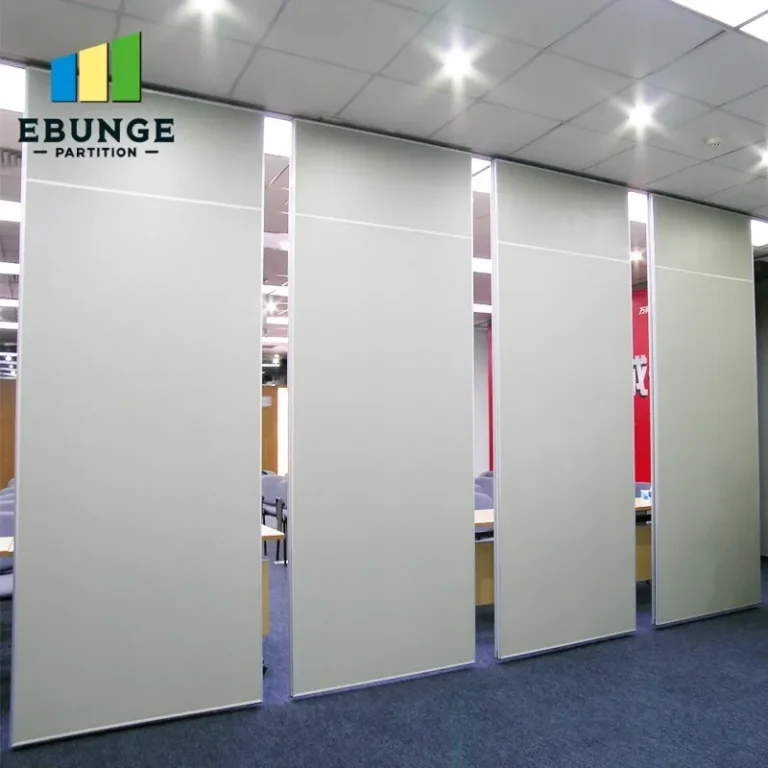
For this buyer review, sliding partition supplier evaluation should be checked against the confirmed opening, drawings, operating plan, and project specification.
Send the opening size and drawings to discuss a differentiated sliding partition supplier evaluation solution.