
When planning a conference room fit-out, the sliding partition supplier evaluation often determines whether the project stays on schedule and within budget. For building material distributors, the challenge is not just finding a product but securing a partner who understands technical documentation, customization, and international logistics. This article focuses on practical steps to assess suppliers, from quotation readiness to compliance checks, ensuring your inquiry converts into a reliable order.
Direct answer: A thorough sliding partition supplier evaluation involves verifying product reliability through technical specifications and samples, confirming customization support for dimensions and finishes, and assessing delivery capabilities including lead times and packaging. Prioritize suppliers who request detailed project information—such as opening size, drawings, acoustic targets, and site conditions—because that indicates a commitment to accuracy and reduces the risk of costly errors.
Why Supplier Evaluation Differs for Conference Room Applications
Conference rooms demand more from a movable partition wall than typical office dividers. They require acoustic separation to ensure confidential discussions remain private, and they must integrate seamlessly with HVAC and lighting systems. Unlike permanent walls, operable wall systems must be flexible yet stable, often supporting heavy glass panels or tackable surfaces. This means the supplier’s engineering capability and attention to detail are as critical as the product’s aesthetics.
For distributors, the evaluation process must account for the end-user’s expectations: a quiet meeting environment, quick installation to minimize downtime, and a finish that matches the interior design. Therefore, your assessment should go beyond brochure specifications and delve into how the supplier handles custom requirements.
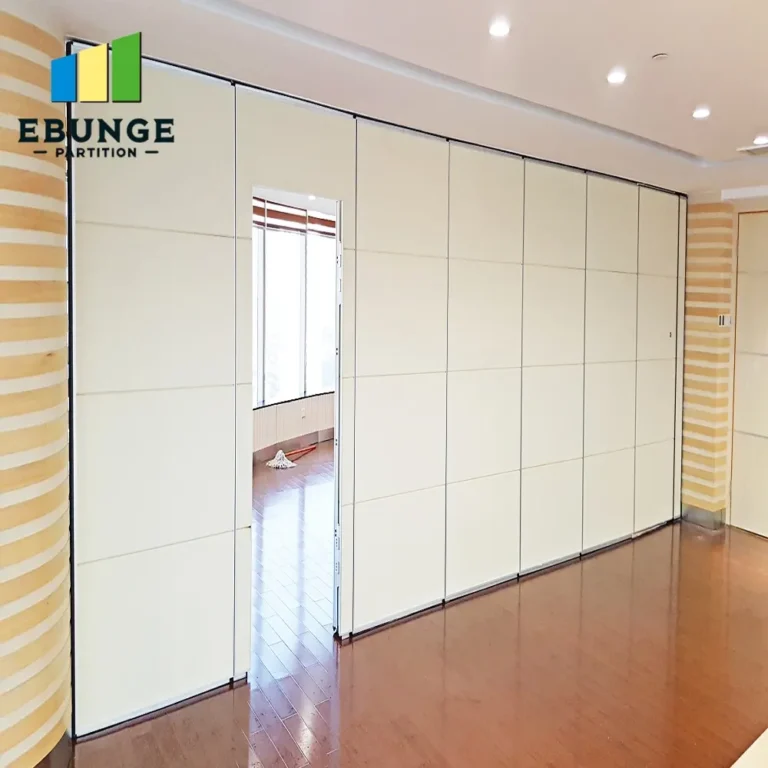
Need help turning the sliding partition supplier evaluation requirements into a practical project layout?
Key Technical Requirements to Verify Before Shortlisting
Before sending inquiries, define your technical baseline. This includes:
- Acoustic insulation ratings: Confirm the Rw (weighted sound reduction index) values for the specific configuration. Remember that ratings can vary with panel size, seals, and track type.
- System dimensions: Maximum width and height of panels, and whether the system can accommodate your opening size. Top-hung track systems, for instance, are ideal for large spans without floor rails.
- Operation mechanism: Manual or motorized, and the ease of stacking and storing panels. For conference rooms, smooth operation is essential.
- Materials and finishes: Options for surface materials, such as laminate, veneer, or fabric, and their durability in high-traffic areas.
These requirements form the basis of your supplier questionnaire. If a supplier cannot provide clear answers or avoids technical specifics, that is a red flag.
Quotation Readiness: What a Comprehensive Quote Should Include
A reliable supplier will not provide a final price without essential project data. In your initial inquiry, include:
- Opening size (width, height, and depth)
- Architectural drawings or a rough sketch
- Acoustic target (e.g., Rw 45 dB)
- Finish preference (color, material, texture)
- Project location and site conditions (e.g., ceiling height, floor type)
Evaluate the quote for transparency: itemized costs for panels, track, hardware, delivery, and installation (if offered). Ensure that the quote specifies the scope of supply and any exclusions. A vague quote often leads to unexpected costs later.
Assessing Supplier Experience and Compliance
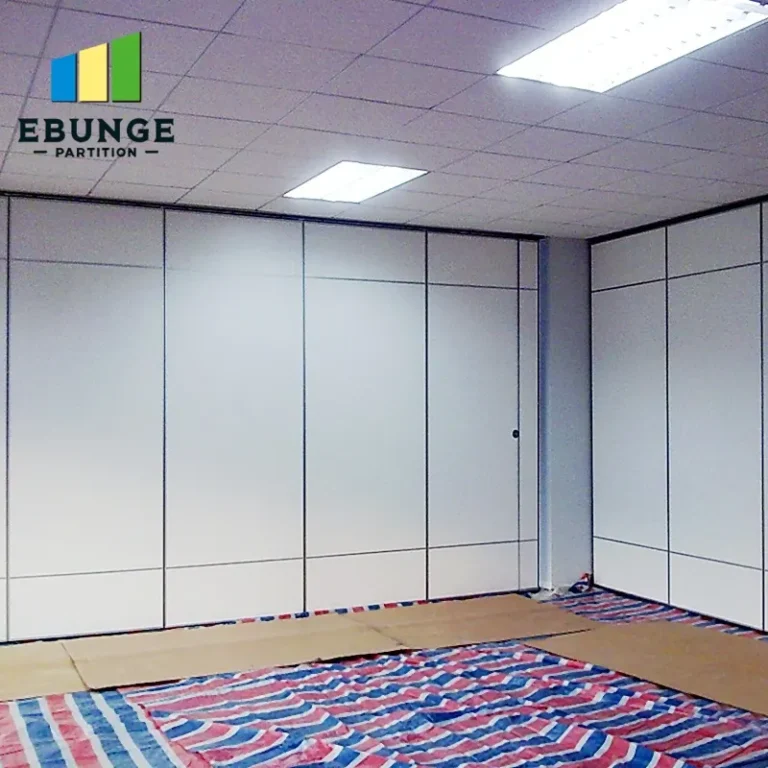
Supplier experience is not just about years in business but about relevant project history. Ask for case studies or references from similar conference room installations. Verify compliance with building codes and standards, such as fire safety and accessibility. The supplier should provide documentation, but you must cross-check with local regulations.
For international orders, confirm that the supplier understands export requirements, including packaging for ocean or air freight and customs documentation. A lack of experience in overseas delivery can lead to damaged goods or delays.
Reliability and After-Sales Support
Product reliability is often evidenced by warranties and after-sales service. Inquire about warranty terms: what is covered, for how long, and the process for claims. Also, ask about spare parts availability and technical support. A supplier who offers installation guidance or on-site supervision adds value, especially for complex systems.
Remember that the warranty is only as good as the supplier’s financial stability. Check their track record and market presence.
Overseas Delivery: Logistics and Lead Times
Delivery lead times can make or break a project. During evaluation, ask for production and shipping schedules. Understand the supplier’s capacity and whether they have experience with your destination country. Clarify incoterms and who handles freight, insurance, and import duties. A transparent supplier will provide a clear timeline and communicate any potential delays.
Also, consider the packaging: proper crating and protection for transit are crucial. Ask for photos or descriptions of their packaging standards.
Customization Support: From Standard to Bespoke
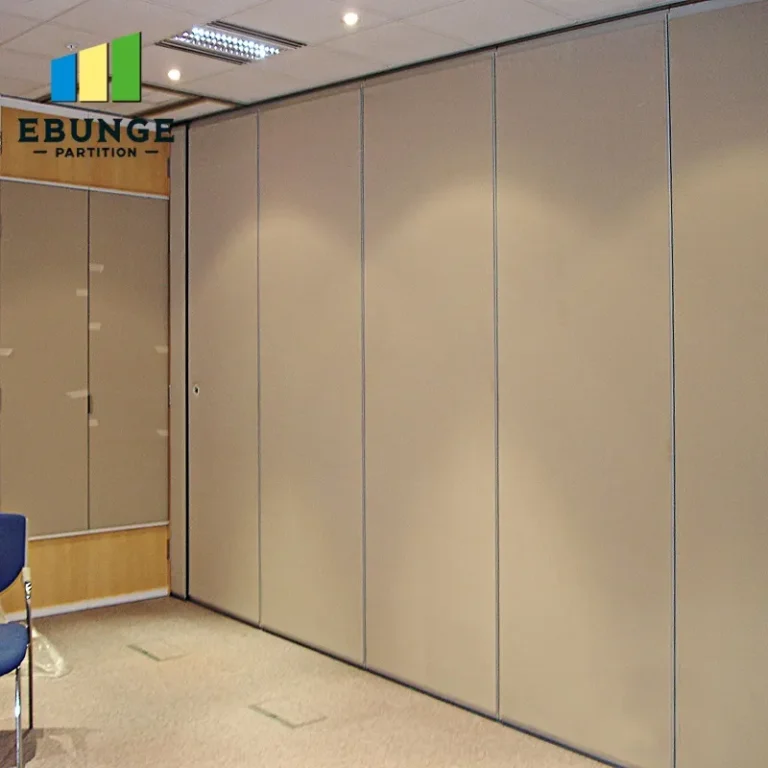
Conference rooms often require custom dimensions, special finishes, or integrated features like whiteboards or screens. Assess the supplier’s ability to customize without compromising quality. Ask about their engineering team and design capabilities. Can they provide shop drawings for approval? How do they handle revisions?
A supplier that offers collaborative customization, rather than forcing standard sizes, is more likely to meet your project’s unique needs.
Share the opening, drawings, finish direction, and privacy target for a project-specific review.
Cost Transparency and Value Engineering
Price is a factor, but the lowest quote may not be the most cost-effective. Analyze the total cost of ownership: initial price, installation time, maintenance, and energy efficiency (if applicable). A slightly higher-priced system that installs faster or has better acoustic performance may save money in the long run.
Ask for a breakdown of costs and be wary of hidden fees. Value engineering suggestions from the supplier can also indicate their expertise.
Comparison Table for Supplier Evaluation
| Criteria | Questions to Ask | What to Look For |
|---|---|---|
| Acoustic performance | What is the Rw rating for our configuration? | Test reports, not just marketing claims |
| Customization | Can you modify panel sizes or finishes? | Engineering support, sample production |
| Delivery | What is your lead time and shipping method? | Clear schedule, experience with exports |
| Warranty | What does the warranty cover and for how long? | Written terms, claim process |
| Compliance | Do you meet local building codes? | Certificates, documentation |
Effective Inquiry Conversion: Turning Quotes into Orders
Once you have shortlisted suppliers, streamline your inquiry process. Provide all necessary details upfront to avoid back-and-forth. Request samples or mock-ups for critical finishes. Visit the factory if feasible, or schedule a video call to see the production process. This builds trust and reduces risk.
Also, negotiate terms that protect you: payment milestones, inspection before shipment, and penalty clauses for delays. A supplier who is willing to agree to such terms demonstrates confidence in their service.
Conclusion: Make Your Sliding Partition Supplier Evaluation Data-Driven
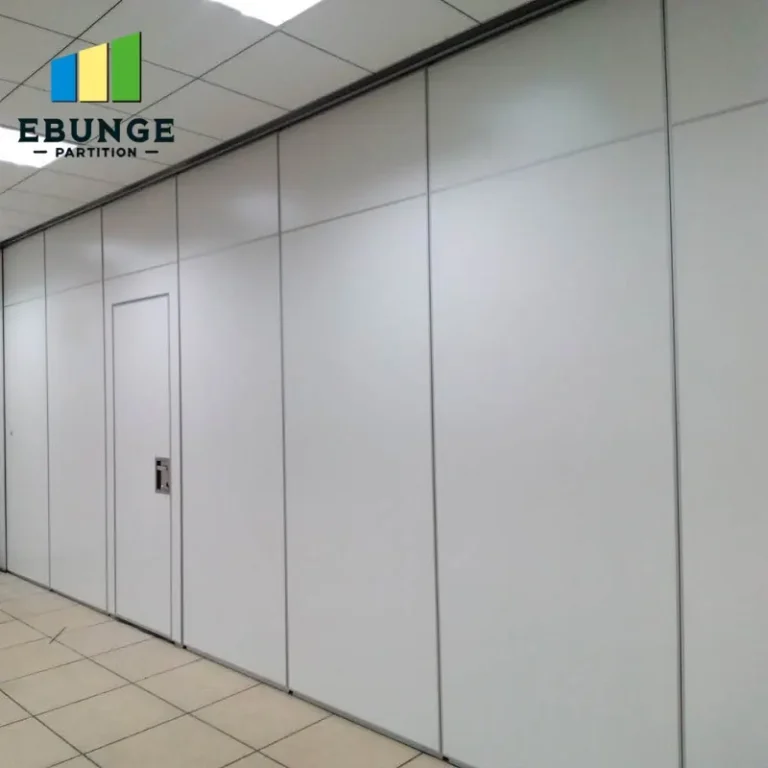
In summary, a robust sliding partition supplier evaluation for conference rooms hinges on technical verification, transparent communication, and logistical planning. By asking the right questions and demanding documented evidence, you can select a partner who not only supplies a product but contributes to the success of your project. Remember to always confirm exact values from project drawings and specifications, and maintain a collaborative relationship with your supplier for long-term benefits.
Frequently Asked Questions
What is the typical lead time for a custom movable wall?
Lead times vary based on complexity and factory capacity. Always request a written schedule from the supplier, including production and shipping time. Custom finishes or large orders may extend the timeline.
How do I verify acoustic claims from a movable partition supplier?
Ask for acoustic test reports from accredited laboratories. Ensure the report matches your configuration (panel construction, seals, and track). If in doubt, request a field test or a mock-up.
Can a top-hung track system be installed without a floor rail?
Yes, top-hung systems are designed to support the weight from above, leaving the floor clear. This is ideal for conference rooms with carpet or underfloor services. Confirm the system’s maximum height and weight capacity.
What should I include in an inquiry to get accurate quotes?
Include opening dimensions, ceiling height, acoustic target, finish preference, number of panels, operation type, and site photos or drawings. The more details you provide, the more precise the quotation.
How can I ensure the supplier meets building code compliance?
Request certificates such as fire resistance ratings and accessibility compliance. Also, check if the supplier has experience with projects in your region and can provide references.
Checklist for Your Next Supplier Evaluation
- Gather all project specifications (drawings, dimensions, acoustic targets).
- Send detailed inquiries to at least three suppliers.
- Verify technical claims with test reports and samples.
- Check supplier experience with conference room installations.
- Clarify delivery terms, incoterms, and packaging.
- Review warranty terms and after-sales support.
- Compare total cost of ownership, not just initial price.
- Maintain open communication and document everything.
For more insights on movable partition walls and supplier selection, explore our movable partition wall guide and industry blog. If you are ready to discuss your project, contact our team for expert advice.
For this buyer review, sliding partition supplier evaluation should be checked against the confirmed opening, drawings, operating plan, and project specification.
Send the opening size and drawings to discuss a differentiated sliding partition supplier evaluation solution.